









What should one keep in mind when primary teeth (baby teeth) growing?
Baby teeth may be small, but they play a big role in your child’s health and development. They help with chewing, speech, and hold space for future adult teeth. If you’re watching for those first tiny eruptions, here’s what to keep in mind to make teething and early oral care smooth and stress-free.
When do baby teeth arrive, and what’s normal?
Primary teeth typically start to come in around 6 to 12 months, with most children completing their set by age three. The lower front teeth are usually first, followed by the upper front teeth, then molars and canines. Common teething signs include drooling, gum rubbing, mild irritability, and a desire to chew on things. A slight rise in temperature can happen, but high fever, severe diarrhea, or rash should not be blamed on teething—contact your pediatrician if those occur.
Comforting a teething baby safely
Gentle gum massage with a clean finger can ease discomfort. Chilled (not frozen) teething rings are helpful; the cold can soothe without risking gum injury. A clean, cold washcloth to chew on can also provide relief. Avoid necklaces or bracelets marketed for teething due to choking and strangulation risks. Be cautious with topical numbing gels, especially those with benzocaine, which can be unsafe for young children. If you’re unsure about any remedy, ask a pediatric dentist or pediatrician.
Start oral care before the first tooth
Good habits begin early. Even before teeth erupt, wipe your baby’s gums once or twice a day with a clean, damp cloth. As soon as a tooth appears, start brushing twice daily with a small, soft-bristled toothbrush. Use a smear or rice-grain amount of fluoride toothpaste for children under three. From ages three to six, a pea-sized amount is appropriate, and you can teach your child to spit, not rinse. Once two teeth touch, add gentle flossing to clean between them.
Fluoride and water matter
Fluoride helps strengthen enamel and prevent cavities. If your household water supply is not fluoridated, talk with your pediatric dentist or pediatrician about options. Do not give babies fluoridated mouthwash; stick to age-appropriate fluoride toothpaste and professional guidance. Keep in mind that frequent exposure to sugar and acid can overwhelm fluoride’s protective effects, so daily habits matter.
Smart nutrition protects baby teeth
What and how often your child eats impact cavity risk. Offer balanced meals and limit sugary snacks, sweetened drinks, and sticky foods that cling to teeth. For babies, avoid putting them to bed with a bottle of milk or juice; only water is safe at bedtime. Prolonged, on-demand bottle or sippy cup use with sugary liquids can lead to early childhood caries (cavities). Aim to transition from bottle to cup around 12 to 18 months. Encourage dr
inking water between meals to rinse away food particles and maintain saliva’s protective effect.
Schedule the first dental visit early
The recommended first dental visit is by the first tooth or by the first birthday. Early check-ups help your dentist monitor growth, enamel health, bite development, and habits. They also give you a chance to ask questions and get personalized prevention advice. Establishing a positive, calm routine around dental visits when your child is young can make future appointments easier.
Pacifiers and thumb sucking
Sucking is a natural soothing reflex for infants and toddlers. Most children outgrow thumb or pacifier habits by age two to three. If the habit continues beyond age three or you notice changes in tooth position or bite, speak with your pediatric dentist. Avoid shaming or pressure, as stress can make the habit persist. Instead, offer gentle reminders, praise for breaks, and soothing alternatives.
Protecting baby teeth from injury
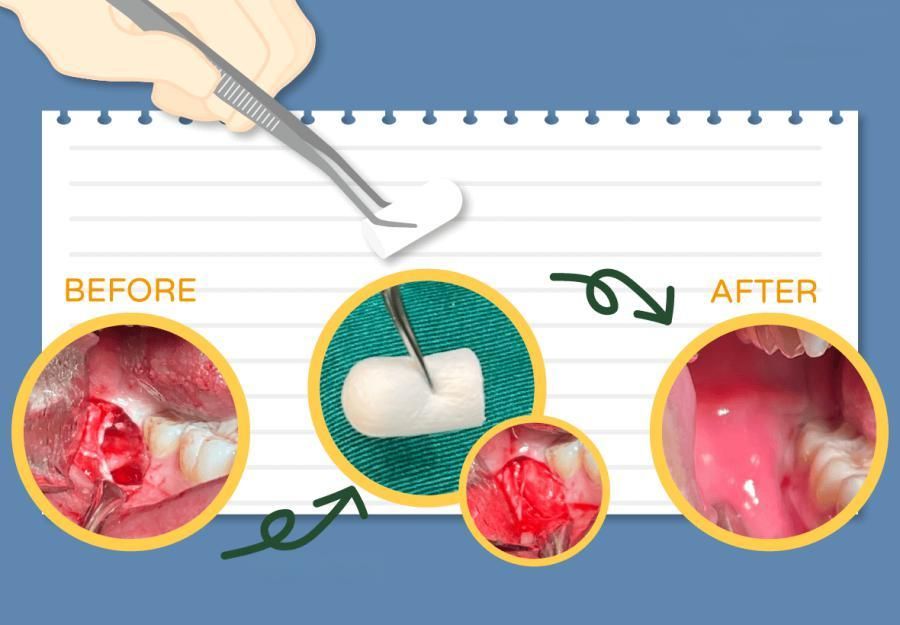
Little explorers take tumbles. If your child chips or knocks a baby tooth, call your dentist for guidance. For a completely knocked-out baby tooth, do not try to reinsert it; this can harm the developing adult tooth underneath. Apply gentle pressure with clean gauze for bleeding and seek care promptly. Child-proofing your home and using appropriate mouth guards for early sports can reduce injury risk.
Watch for signs that need attention
Early intervention keeps small problems from becoming big ones. Contact a dentist if you notice:
- White, brown, or black spots on teeth
- Persistent bad breath
- Swollen or bleeding gums
- Tooth sensitivity or pain
- Mouth trauma or changes in bite after an injury
- Ongoing teething discomfort that doesn’t improve with safe measures
Common myths to skip
Teething does not cause high fever or severe illness. Hard or frozen objects can injure gums. Constant night feeding with milk is not harmless for teeth. And baby teeth are not “disposable”—they are crucial placeholders for permanent teeth and important for speech and nutrition.
Daily routine that works
- Morning and bedtime brushing with a soft brush and age-appropriate fluoride toothpaste
- Wipe gums if no teeth yet; floss when teeth touch
- Offer water between meals; keep juice and sweet treats as occasional
- Avoid bottles or sippy cups with sugary liquids, especially at night
- Schedule regular dental check-ups starting by age one
- Use safe teething comforts and skip risky products
Key takeaway
Primary teeth set the foundation for lifelong oral health. With gentle teething care, early and consistent brushing, smart nutrition, and timely dental visits, you can keep baby teeth strong and comfortable as they grow. Staying informed—and keeping the routine simple and consistent—helps your child build healthy habits that last well beyond the baby years.
















