









Gums Bleeding: Symptoms, Causes & Treatment – What to Expect
Noticing blood on your toothbrush or floss can be unsettling. While occasional gums bleeding after a vigorous brush isn’t uncommon, frequent or persistent bleeding is a sign your gums need attention. Understanding the symptoms, causes, and treatment options can help you protect your oral health and know what to expect if you visit a dentist.
Common Symptoms That Come With Bleeding Gums
Bleeding is the headline symptom, but your gums may be sending other signals too. Pay attention to:
- Red, swollen, or tender gums that look puffy rather than coral pink
- Bleeding when brushing, flossing, or biting into hard foods like apples
- Persistent bad breath or a bad taste in your mouth
- Receding gums that make teeth look longer
- Sensitive teeth, especially near the gumline
- Loose teeth or changes in how your teeth fit together
If you notice several of these symptoms, especially over weeks, it’s time to act.
Why Gums Bleed: The Most Common Causes
- Plaque buildup and gingivitis: The top cause of bleeding gums is plaque—a sticky film of bacteria that gathers along the gumline. If not removed daily, plaque irritates gums and triggers gingivitis, the earliest stage of gum disease. Gingivitis is reversible with proper care, but if ignored, it can progress to periodontitis (advanced gum disease).
- Periodontal disease: In periodontitis, inflammation affects deeper tissues and bone. Gums may bleed easily, pull away from teeth (forming pockets), and teeth can loosen over time.
- Brushing or flossing too aggressively: Hard brushing, using a stiff-bristled toothbrush, or snapping floss can injure delicate gum tissue.
- New flossing habits: If you’ve just started flossing, mild bleeding is common for a week or so as gums adapt. If bleeding continues, there may be underlying inflammation.
- Hormonal changes: Pregnancy, puberty, menstruation, and menopause can make gums more reactive and prone to bleeding.
- Medications: Blood thinners and some other medications can increase bleeding. Always tell your dentist what you’re taking.
- Nutritional deficiencies: Low vitamin C or K can affect gum health and blood clotting.
- Ill-fitting dental appliances: Dentures or aligners that rub the gums may cause irritation and bleeding.
- Lifestyle and health factors: Smoking or vaping, uncontrolled diabetes, dry mouth, and high stress can heighten gum inflammation and slow healing.
When To See a Dentist
Make an appointment if:
- Bleeding lasts more than a week with good home care
- You have spontaneous bleeding without brushing or flossing
- Gums are receding, painful, or there’s pus, swelling, or fever
- You notice loose teeth or persistent bad breath
- You have a health condition (like diabetes) or take medications that affect bleeding
Early evaluation helps stop a minor issue from becoming a serious one.
What To Expect at the Dentist
A dental visit for bleeding gums is straightforward:
1. Health and symptom review: Your dentist will ask about your brushing and flossing routine, diet, smoking, medications, and any recent changes (like pregnancy or new flossing).
2. Gum exam and measurements: They’ll check for redness, swelling, bleeding points, and measure pock
et depths around teeth to assess for gingivitis vs. periodontitis.
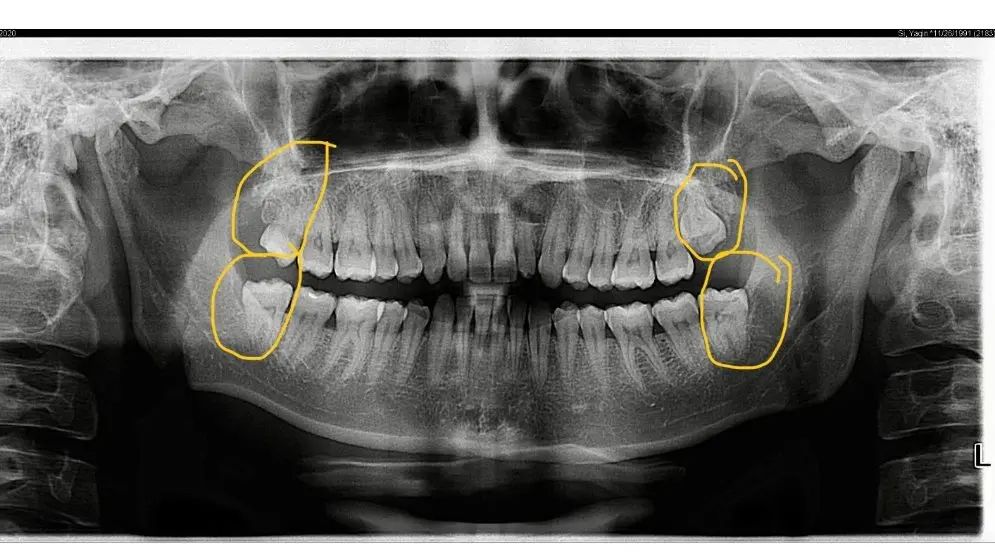
3. X-rays if needed: These images help evaluate bone levels and detect tartar below the gumline.
4. Professional cleaning: Plaque and tartar are removed above and below the gumline. For more advanced gum disease, you may need scaling and root planing (a deep cleaning) to smooth root surfaces and help gums reattach.
5. Tailored plan: You’ll get personalized home-care guidance. In some cases, antimicrobial rinses or localized antibiotics may be recommended. Follow-up visits help track healing.
Professional Treatments That Help
- Routine cleaning for gingivitis: Often enough to reverse early inflammation when paired with consistent home care.
- Scaling and root planing: Targets deeper deposits and reduces pocket depths in periodontitis.
- Adjunctive therapies: Antibacterial rinses or localized medications may be used to control infection.
- Ongoing maintenance: More frequent cleanings can help keep gum disease in check and prevent relapse.
Home Care Tips to Stop Bleeding and Soothe Gums
- Switch to a soft-bristled toothbrush: Brush gently in small circles along the gumline for two minutes, twice a day. Consider an electric toothbrush with a pressure sensor.
- Floss daily with the right technique: Curve floss into a C-shape around each tooth and slide up and down, not in and out. Interdental brushes or water flossers can help if you have larger spaces between teeth.
- Rinse wisely: An alcohol-free antimicrobial mouthwash can reduce bacteria. A mild warm saltwater rinse (½ teaspoon salt in a cup of warm water) can soothe irritated gums.
- Mind your diet: Eat a balanced diet rich in vitamin C (citrus, berries, peppers) and vitamin K (leafy greens). Limit sugary snacks and acidic drinks that feed plaque.
- Hydrate and manage dry mouth: Sip water throughout the day; talk to your dentist if medications cause dryness.
- Avoid tobacco: Smoking or vaping worsens gum inflammation and delays healing.
- Replace your toothbrush every 3 months or sooner if bristles fray.
Prevention: Small Habits, Big Impact
- Brush twice daily and clean between teeth once a day
- Angle the brush 45 degrees toward the gumline
- Get regular dental checkups and cleanings as recommended
- Manage systemic conditions such as diabetes with your healthcare provider
- Reduce stress, which can weaken immune response and increase inflammation
What If Bleeding Starts Suddenly?
Sudden, heavy bleeding can happen after trauma or in people on blood thinners. Apply gentle pressure with a clean gauze or cloth for 10 minutes. If it doesn’t stop, or you feel lightheaded, seek urgent care. If you recently changed your oral care routine and bleeding persists beyond a week, schedule a dental assessment to rule out gum disease.
The Bottom Line
Bleeding gums are common, but they’re not “normal.” Most cases are linked to plaque-related gingivitis and improve with a combination of professional cleaning and consistent home care. By understanding the causes, acting early, and maintaining daily habits that support gum health, you can stop the bleeding, freshen your breath, and protect your smile for the long term. If in doubt, let a dental professional take a look—your gums will thank you.
















