









Why Choose Pulp Treatment in Zhuhai? – Expert Advice
If a persistent toothache is ruining your day or hot and cold foods suddenly trigger sharp twinges, you may be dealing with an inflamed or infected dental pulp. Pulp treatment—often called root canal therapy—is designed to remove infection, relieve pain, and save your natural tooth. But why choose Zhuhai for this important dental procedure? Here is expert guidance to help you make a confident, informed decision.
What pulp treatment actually is
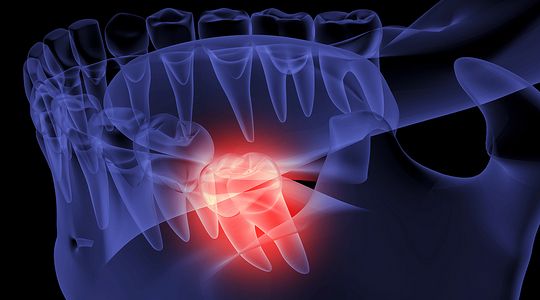
Inside every tooth is a soft core called the pulp, which contains nerves and blood vessels. When decay, deep cracks, trauma, or repeated dental work reach this area, bacteria can cause inflammation and infection. Pulp treatment removes the diseased tissue, disinfects the canal system, and seals it to prevent reinfection. The goal is simple: keep your natural tooth functioning comfortably for years to come.
Why Zhuhai stands out
Zhuhai has quietly built a reputation for modern, patient-centered dentistry. Here’s what makes it a compelling destination for pulp therapy:
- Strong clinical standards: Many clinics in Zhuhai emphasize evidence-based protocols, from precise diagnosis to meticulous disinfection and sealing techniques.
- Advanced technology: Digital X‑rays, 3D cone-beam imaging, dental microscopes, apex locators, and rotary instruments help clinicians treat complex canals more accurately and efficiently.
- Experienced endodontic care: Whether you see a general dentist with advanced endodontic training or a dedicated endodontist, you’ll often find practitioners who perform pulp treatments routinely.
- Bilingual communication: With a diverse community and proximity to Macau and Hong Kong, many clinics offer bilingual or multilingual support, making it easier to understand your treatment plan.
- Convenient access: Clinics in areas like Xiangzhou, Gongbei, and Hengqin are well-connected and offer flexible scheduling to accommodate work and travel.
Signs you might need pulp treatment
If you recognize any of the following, a prompt dental exam is the smartest next step:
- Lingering sensitivity to heat or cold
- Spontaneous or night-time tooth pain
- Pain when biting or chewing
- Swelling or a pimple-like bump on the gums
- Tooth discoloration after trauma
- Deep decay visible on X‑rays
What to expect during the procedure
Understanding the process can ease anxiety and set realistic expectations.
1. Diagnosis and planning: Your dentist will assess symptoms, perform tests (such as cold sensitivity and bite checks), and take imaging. If the pulp is irreversibly inflamed or infected, they’ll recommend pulp treatment.
2. Comfortable anesthesia: Local anesthesia numbs the area thoroughly. Many patients are surprised by how comfortable the procedure feels compared with the pain they had before.
3. Isolation and access: A rubber dam isolates your tooth to keep it dry and clean. The dentist creates a small opening to access the pulp chamber.
4. Cleaning and shaping: Using fine instruments—often under a microscope—the canals are cleaned, shaped, and disinfected to eliminate bacteria.
5. Sealing: The canals are filled with a biocompatible material and sealed to block reinfection.
6. Restoration: A
temporary or permanent filling is placed. Many teeth benefit from a crown later to restore strength and prevent fractures.
Some cases are completed in one visit; others require two or more visits depending on infection severity, anatomy, and healing response.
Safety, hygiene, and pain control
Modern pulp treatment is designed with safety in mind. Sterilization protocols, single-use instruments where appropriate, and strict infection control minimize risk. Local anesthesia and refined techniques keep you comfortable, and post‑treatment soreness is usually manageable with dentist‑recommended pain relief and care instructions.
Recovery and aftercare
After treatment, mild tenderness is normal as the surrounding tissues settle. Support a smooth recovery with these tips:
- Chew on the other side until a final crown is placed.
- Keep the area clean with gentle brushing and flossing.
- Follow your dentist’s instructions on eating, medication, and follow-up visits.
- Don’t delay the final restoration; timely crowns help prevent cracks and reinfection.
Common myths, clarified
- “Root canals are painful.” With modern anesthesia and technology, most patients report the procedure feels similar to getting a filling—and it relieves the pain caused by infection.
- “Extraction is easier.” Removing a tooth can create new issues: shifting teeth, bite changes, and the need for replacements. Saving your natural tooth is often the more conservative long-term solution.
- “The tooth is ‘dead’ and useless.” After pulp treatment, the tooth no longer has a nerve, but with proper restoration it can function normally for chewing and appearance.
How to choose the right clinic in Zhuhai
Selecting a provider you trust is crucial. Consider these criteria:
- Credentials and focus: Look for dentists with strong endodontic training or a track record of successful pulp treatments.
- Technology: Ask about dental microscopes, digital imaging, and modern canal shaping and irrigation systems.
- Rubber dam use: This is a standard of care for cleanliness and safety during pulp treatment.
- Transparent diagnosis: A dentist who explains findings and shows images helps you take part in the decision.
- Patient reviews and word of mouth: Consistently positive feedback about comfort, communication, and outcomes is a good sign.
- Post‑care support: Confirm follow-up protocols and how the clinic handles urgent concerns.
- Communication: If you’re an international resident or visitor, ensure the team can explain details clearly in your preferred language.
When timing matters
Pulp infections rarely resolve on their own. Delaying can allow bacteria to spread, potentially leading to swelling, bone loss, or emergency pain. Early care not only protects your health but often makes treatment simpler and recovery quicker.
The bottom line
Choosing pulp treatment in Zhuhai means access to modern technology, skilled clinicians, and thoughtful patient care—all focused on saving your natural tooth. If you’re experiencing persistent tooth pain or sensitivity, schedule a comprehensive exam with a reputable Zhuhai clinic. A clear diagnosis and timely treatment plan can get you out of pain and back to enjoying your daily routine with confidence.
















