









Periodontal Care in Shenzhen: A First-Timer’s Guide
If your gums bleed when you brush, or your dentist has hinted at “deep cleaning,” you’re already on the right track by looking into periodontal care. Shenzhen’s fast-paced lifestyle and rich mix of locals and expats make it a convenient place to get high-quality gum treatment—as long as you know what to expect. This first-timer’s guide walks you through the essentials of gum health, what happens at a periodontal visit in Shenzhen, how to choose a clinic, and the everyday habits that will keep your smile strong.
What periodontal care actually means
Periodontal care focuses on your gums and the bone that hold your teeth. Gingivitis is the earliest, reversible stage—think redness, swelling, and bleeding. Left unchecked, it can progress to periodontitis, where bacteria trigger inflammation that damages the bone. Signs include persistent bad breath, gum recession, loose teeth, and discomfort when chewing. The goal of periodontal care is to stop this progression, repair what’s possible, and help you maintain long-term stability.
When to see a periodontist in Shenzhen
See a gum specialist (periodontist) or a dentist with strong periodontal training if you notice:
- Bleeding gums, even with gentle brushing or flossing
- Puffy, tender, or receding gums
- Spaces or “black triangles” appearing between teeth
- Bad breath that doesn’t improve with regular hygiene
- A history of diabetes or smoking, both of which raise gum disease risk
- Loose teeth or shifting bite
What to expect at your first visit
A typical first periodontal appointment in Shenzhen is thorough and structured:
- History and risk review: You’ll share medical history, medications, and lifestyle factors such as smoking or sleep quality. Bring your ID or passport and any previous dental records if you have them.
- Periodontal charting: The clinician will measure your gum pockets at six points around each tooth, record bleeding and plaque scores, and note areas of recession.
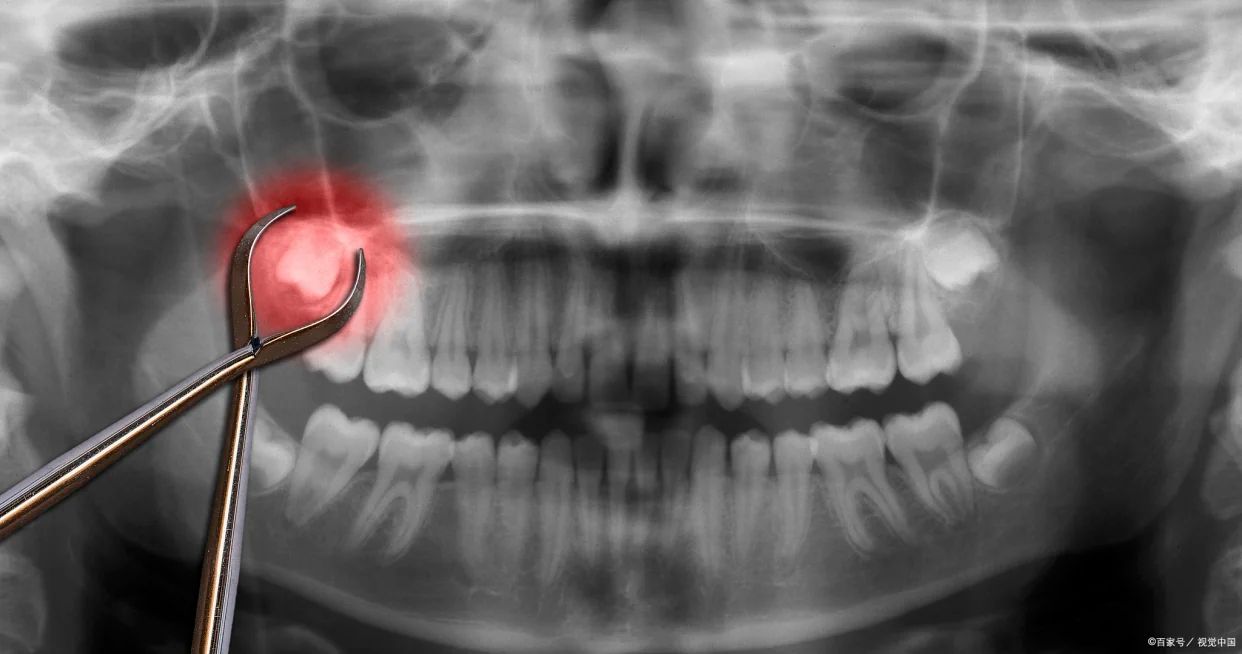
- Imaging: Expect bitewing or panoramic X-rays to assess bone levels. Digital radiography is common and quick.
- Diagnosis and staging: If periodontitis is present, the dentist will explain severity and complexity using a staging/grading framework so you understand both current status and future risk.
- Treatment plan: For many first-timers, the initial phase includes professional cleaning and scaling and root planing (deep cleaning) with local anesthesia, followed by re-evaluation in 4–6 weeks. Severe cases may need surgical options such as flap surgery, regeneration, or grafting after inflammation is controlled.
- Home care coaching: You’ll get personalized brushing and interdental cleaning guidance and a maintenance schedule.
Choosing the right clinic in Shenzhen
Shenzhen offers multiple pathways:
- Public hospitals: Look for larger hospitals with a stomatology (dentistry) department. They can be busy but often have comprehensive diagnostics and specialists.
- Private clinics: Convenient scheduling and modern equipment are common. You’ll find many in districts like Futian, Nanshan, and Luohu.
- International practices: If you prefer English-speaking clinicians and simplified billing, clinics in expat-friendly areas (e.g., Shekou, Futian CBD) may fit well.
Tips for selection:
- Credentials and focus: Confirm the dentist’s license and whether they have specialized periodontal training or a track record of treating gum disease.
- Hygiene standards: Ask about instrument sterilization protocols and single-
use items.
- Communication: Clear explanations and written treatment plans help you understand each step.
- Technology: Digital X-rays, periodontal charting software, and intraoral photos are signs of a data-driven approach.
- Maintenance philosophy: A good practice emphasizes re-evaluations and ongoing supportive periodontal therapy rather than “one-and-done” cleaning.
Booking and practicalities
Reservations are typically made via phone, a clinic website, or WeChat mini-programs. Many clinics accept mobile payments and international cards; some can provide official e-invoices (fapiao). If language is a concern, ask in advance for English-speaking staff or bring a friend to help translate. Arrive a bit early for registration, especially at public hospitals. Weekends can be busy; early weekday slots are often calmer.
Common treatments explained
- Professional cleaning: For gingivitis or light buildup, a routine cleaning plus polishing may suffice, paired with improved home care.
- Scaling and root planing (deep cleaning): Removes bacteria and calculus below the gumline and smooths the root to help gums reattach. Numbing gel or local anesthesia improves comfort.
- Adjunctive care: Depending on your case, your dentist may recommend short-term antiseptic rinses or localized medications. Advanced disease might require surgical therapy once inflammation is under control.
- Implant consideration: If teeth are lost, implants can be an option after gum disease is stabilized; healthy gums and regular maintenance are essential for long-term success.
What recovery feels like
After deep cleaning, mild soreness and temperature sensitivity are normal for a few days. Soft foods, warm saltwater rinses, and gentle brushing help. Avoid smoking, which slows healing. You’ll typically return in 4–6 weeks for pocket-depth re-measurement and to decide if further therapy is needed. Once stable, most people benefit from periodontal maintenance every 3–4 months to prevent relapse.
Home care that actually works
- Brush twice daily with a soft brush or quality electric brush, using gentle pressure along the gumline.
- Clean between teeth daily with floss or interdental brushes matched to your gap size; water flossers can help, especially around bridges or implants.
- Use a toothpaste with fluoride; formulas with stannous fluoride can support gum health.
- Choose an alcohol-free mouthwash; short-term use of more potent rinses should be guided by your dentist.
- Mind the big levers: stop smoking or vaping, manage diabetes, prioritize sleep, and aim for a nutrient-rich diet. These factors significantly influence gum outcomes.
How long will it take?
Gum health changes over weeks and months, not days. Inflammation often decreases within a few weeks of proper cleaning and home care, while tissue tightening and bone stability are judged over longer intervals. Your maintenance schedule is the backbone of long-term success.
When to seek urgent help
Contact a dentist promptly if you notice facial swelling, fever, severe pain, pus discharge, sudden tooth mobility, or trauma. Early intervention prevents complications.
Bottom line
Periodontal care in Shenzhen is accessible, modern, and patient-focused if you choose a qualified provider and commit to maintenance. Start with a comprehensive assessment, follow through with evidence-based treatment, and build daily habits that protect your gums. Healthy gums don’t happen by accident—they’re the result of good information, the right team, and steady, sustainable routines.
















