









What percentage of root canals fail? – Quick Answer Inside
Quick answer: Most root canals are successful. Modern studies generally show success rates around 90–95% over the first several years, which means roughly 5–10% may fail over time. Long-term outcomes depend on the tooth’s condition, the quality of the procedure, and your aftercare.
What does “failure” actually mean?
A root canal “fails” when the tooth does not heal as expected or becomes reinfected after initial healing. That can show up as persistent or returning pain, swelling, a pimple-like bump (fistula) on the gum, or a lingering dark area at the root tip on an X-ray. Sometimes you’ll feel fine, but your dentist spots a problem on a routine checkup. The good news: many failed root canals can be successfully retreated.
Why do some root canals fail?
Several factors increase the chance of trouble:
- Hidden or missed canals: Many teeth have more canals than you’d think. If a canal is missed or not fully cleaned, bacteria can remain.
- Complex anatomy: Curved, narrow, or branching canals are harder to disinfect thoroughly.
- Microleakage: If the filling or crown doesn’t seal perfectly—or if it’s delayed—bacteria can seep back in.
- Cracks and fractures: A cracked tooth can allow bacteria to bypass the root canal filling.
- Extensive decay or deep restorations: Severe damage can compromise the tooth’s structure and seal.
- Gum disease: Periodontal issues around the tooth can mimic or contribute to root problems.
- Systemic factors and habits: Smoking, uncontrolled diabetes, and nighttime grinding (bruxism) can undermine healing.
How long do root canals last?
When done well and properly restored, a root canal can last many years, often decades. The biggest predictor of long-term survival is timely, well-fitting restoration—usually a crown for back teeth—to protect the tooth from fracture and seal out bacteria. Regular dental visits and cleanings help catch issues early, even when you feel no symptoms.
Signs your root canal might be failing
Reach out to your dentist or endodontist if you notice:
- Persistent or recurring pain when chewing or pressing on the tooth
- Sensitivity that doesn’t improve after a few weeks
- Swelling, tenderness, or a pimple on the gum near the tooth
- Bad taste or odor from the area
- A chipped or loose crown or filling on that tooth
- No symptoms, but your dentist flags a persistent dark area at the root tip on an X-ray
What happens if a root canal fails?
You still have options:
- Retreatment: The dentist or endodontist re-enters the tooth, removes the old root filling, disinfects the canals, and seals them again. Retreatment has a high success rate when anatomy and sealing are improved.
- Apicoectomy (surgical root repair): The tip of the root and infected tissue are surgically removed and sealed. This is considered if retreatment isn’t feasible or didn’t resolve the issue.
- Extraction and replacement: If the too
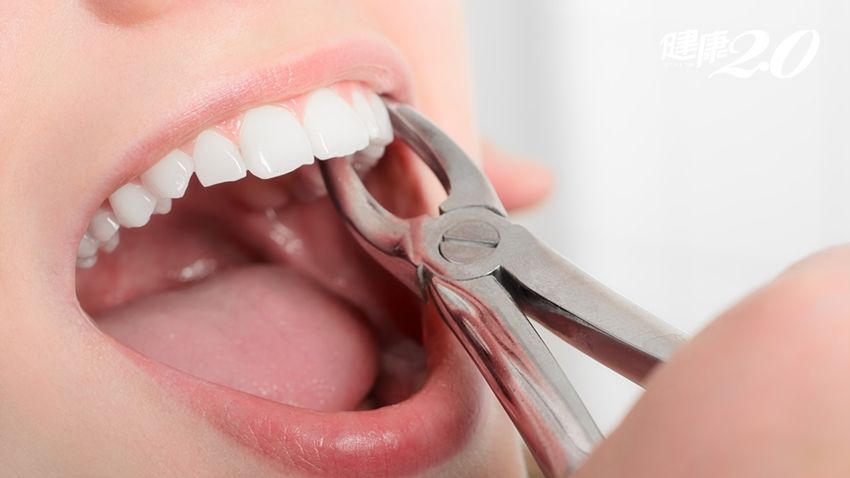
th is too damaged to save, it may need removal, followed by a replacement option. Dentists typically try to save natural teeth whenever reasonable.
How to lower your risk of failure
- Choose the right provider: Endodontists are specialists who perform root canals daily and use advanced tools like dental microscopes and 3D imaging (CBCT) that help locate hidden canals and complex anatomy.
- Demand isolation: A rubber dam keeps the tooth dry and reduces contamination during treatment.
- Don’t delay the final crown: A well-fitting crown on back teeth is critical to prevent fractures and reinfection. Schedule it as recommended after the root canal.
- Maintain impeccable oral hygiene: Brush twice daily with fluoride toothpaste, clean between teeth, and use an antibacterial mouthrinse if advised.
- Tackle clenching or grinding: Ask about a night guard to protect the tooth and crown from excess force.
- Keep regular checkups: X-rays can spot early changes before you feel pain.
- Manage overall health: Control blood sugar, stop smoking, and follow your provider’s post-op instructions.
Does it matter who does the procedure?
Experience and technology matter. Specialists are more likely to identify extra canals, navigate complex curves, and achieve a tight seal. That said, many general dentists deliver excellent results. What you want to hear about is rubber dam isolation, magnification or microscopy, thorough irrigation and disinfection, and a plan for immediate or timely final restoration.
What if I still feel pain after a root canal?
Mild soreness for a few days is normal, especially when chewing. This typically improves steadily. If pain worsens after the first few days, lingers beyond a couple of weeks, or is accompanied by swelling, call your dentist. Pain alone doesn’t prove failure, but it deserves evaluation and an X-ray.
Are antibiotics enough to fix a failed root canal?
Antibiotics can help reduce swelling in certain situations, but they do not remove bacteria inside the root system. Only proper cleaning and sealing (retreatment or surgery) can address the source. Think of antibiotics as a supporting player, not the cure.
Myths to skip
- “Root canals always fail.” False. Most succeed and last years with proper care.
- “If there’s no pain, everything is fine.” Not always. Some failures are silent, which is why follow-up X-rays matter.
- “A crown guarantees success.” A crown is crucial, but it must fit well and the root canal must be thorough. Both matter.
Bottom line
The percentage of root canals that fail is relatively low—generally around 5–10% over time—with the majority healing well and lasting for many years. Your best odds come from high-quality treatment, a prompt and well-sealed restoration, excellent oral hygiene, and routine checkups. If symptoms crop up or something feels off, don’t wait. Early evaluation keeps simple fixes simple and helps you keep your natural tooth for the long haul.
















