









Dental Implants in Shenzhen: The Complete Walkthrough
Thinking about dental implants in Shenzhen? You’re not alone. As one of China’s most modern cities, Shenzhen blends cutting-edge healthcare technology with a high standard of clinical care. From digital scans and same-day crowns to bilingual staff and convenient transport, the city has become a practical choice for locals and expats alike seeking permanent solutions for missing teeth. This walkthrough explains what to expect—from candidacy and timelines to clinic selection and aftercare—so you can make a confident, informed decision.
What a dental implant is and why it matters
A dental implant is a small titanium or zirconia post placed in the jawbone, acting like an artificial tooth root. Once it integrates with your bone, an abutment and crown are attached to create a natural-looking, functional tooth. Compared with removable dentures or traditional bridges, implants:
- Help preserve jawbone and facial structure
- Don’t require shaving down neighboring teeth
- Offer strong chewing power and long-term stability
- Are easier to maintain like natural teeth
In Shenzhen, many clinics use digital workflows—CBCT (3D scans), guided surgery, and CAD/CAM-milled crowns—improving precision, comfort, and aesthetics.
Are you a candidate?
An implant’s success starts with the right foundation. You’re likely a candidate if you have healthy gums, sufficient jawbone, and good oral hygiene. Factors that require special attention include:
- Gum disease or untreated decay
- Smoking, which can slow healing
- Uncontrolled diabetes or other systemic conditions
- Bruxism (teeth grinding), requiring a night guard
- Significant bone loss that may need grafting or a sinus lift
Your implant dentist in Shenzhen will evaluate you with a clinical exam and imaging (often CBCT) to ensure a safe, tailored plan.
The typical Shenzhen implant timeline
Every case is unique, but most journeys follow a familiar path:
1) Consultation and planning: Expect a thorough exam, 3D imaging, and discussion of options such as single-tooth implants, implant-supported bridges, or full-arch restorations like All-on-4. You’ll review materials, expected timelines, and any preparatory treatments.
2) Preparatory procedures: If a tooth needs extraction or you lack bone volume, a graft or sinus lift might be recommended. Healing time varies depending on the extent of treatment.
3) Implant placement: Under local anesthesia (and sometimes sedation), the implant is placed using a surgical guide for accuracy. Most patients describe pressure rather than pain.
4) Osseointegration: Over the next few months, your bone bonds to the implant, creating stability. A temporary tooth may be provided depending on location and bite.
5) Abutment and crown: Once integration is confirmed, the abutment and final crown (often zirconia or porcelain-fused) are fitted, adjusted for bite, and polished.
6) Follow-up: Regular checks ensure the implant, gums, and bite remain healthy. Good aftercare habits keep your new tooth performing like a natural one.
What to look for in a Shenzhen clinic
The city’s dental landscape is diverse, with clinics in districts like Nanshan, Futian, and Luohu offering advanced services. When comparing options, consider:
- Credentials and experience: Look for implant-specific training or memberships in recognized dental implant associations.
- Technology and labs: Clinics using CBCT, guided surgery, and reputable implant brands tend to deliver predictable outcomes. Ask about in-house or partner dental labs for
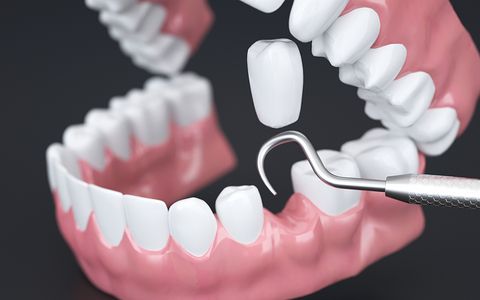
crown quality.
- Sterilization and safety: Confirm infection-control protocols and transparent consent processes.
- Communication: Bilingual teams and clear written treatment plans help avoid misunderstandings.
- Aftercare support: Implants require maintenance; ensure the clinic offers structured follow-ups and guidance.
- Reviews and case photos: Real patient experiences can reveal consistency and chairside manner.
Questions to ask during your consultation
- Which implant systems and materials do you use, and why?
- Am I a candidate for immediate placement, or should I wait after extraction?
- Will I need a bone graft or sinus lift? How will that affect the timeline?
- How many implant cases have you completed similar to mine?
- What are the risks in my specific case, and how do you manage complications?
- What are the follow-up schedule and maintenance requirements?
- If I move or travel, how will you coordinate my care and records?
Pain, healing, and daily life
A common worry is pain. Most patients report mild to moderate soreness for a few days after implant placement. Swelling peaks around 48 hours and eases with cold compresses, prescribed medications, and rest. A soft-food diet and careful home care—gentle brushing, antiseptic rinses, and avoiding smoking—support healing. Stitches, if used, are typically removed within a week or two. If you notice persistent pain, unusual bleeding, or loosening, contact your dentist promptly.
For expats and travelers
If you’re visiting Shenzhen for dental implants, plan your schedule realistically. You may need multiple visits over several months, especially if grafting is required. Communicate your travel windows, request digital copies of scans and treatment notes, and consider nearby follow-up options if you frequently cross into Hong Kong or travel abroad. Clarify warranty policies and how complications are handled if you are outside the city.
Longevity and maintenance
Dental implants can last many years with attentive care. Think of them like natural teeth: brush twice daily, floss carefully around the implant, and use interdental brushes where appropriate. Regular professional cleanings help prevent peri-implantitis, an inflammation that can threaten implant stability. If you grind your teeth, a custom night guard can protect both implant and natural teeth. Avoid using your teeth to open packages or bite very hard objects.
Risks and alternatives
No surgery is risk-free. Possible complications include infection, nerve irritation, sinus-related issues, or implant failure if integration doesn’t occur. These risks are uncommon but real; your dentist will mitigate them through careful planning and hygiene protocols. If implants aren’t suitable, alternatives include a traditional bridge or removable partial dentures. For full-arch cases, implant-supported options may reduce the need for extensive grafting while providing stable function.
Why Shenzhen makes sense
Shenzhen’s blend of innovation, accessibility, and clinician experience makes it an appealing place for implant dentistry. With digital planning, guided surgery, and a strong emphasis on patient comfort, many people find the process smoother than expected. The key is choosing the right clinic, asking informed questions, and committing to maintenance after your procedure.
By aligning expectations with a clear plan, you can restore your smile’s function and appearance with confidence. Dental implants in Shenzhen aren’t just about a new tooth—they’re about investing in long-term oral health and quality of life.
















