









What is pulp necrosis? – What to Know Before You Decide
If you’ve been told you might have pulp necrosis, you’re probably dealing with persistent tooth pain or a sudden flare-up that won’t quit. The term sounds intimidating, but understanding what’s going on inside your tooth can make decisions about treatment much easier and less stressful. Here’s a clear, down-to-earth guide to what pulp necrosis is, why it happens, what it feels like, how dentists diagnose it, and the options you’ll weigh before moving forward.
Pulp necrosis explained in plain terms
Inside every tooth is a soft core called the dental pulp. It contains nerves, blood vessels, and connective tissue that help the tooth grow and sense hot or cold. Pulp necrosis means that this pulp tissue has died. When the pulp loses its blood supply—often due to infection, deep decay, or trauma—it can’t recover. A necrotic pulp becomes a source of infection that can spread through the root, into the surrounding bone, and sometimes into other areas of the face.
Common causes you should know
Pulp necrosis doesn’t happen overnight. It’s usually the end point of a process:
- Deep tooth decay that reaches the pulp and allows bacteria inside
- A cracked or chipped tooth that exposes the pulp
- Repeated dental work on the same tooth over time
- Trauma from an accident or sports injury that disrupts the pulp’s blood supply
- Advanced gum disease that affects the root surface
Recognizing the signs and symptoms
Symptoms vary depending on how far the condition has progressed. Early on, you might notice sensitivity to cold or sweet foods. As the pulp becomes inflamed and then dies, the pain can change or even seem to improve temporarily. Key warning signs include:
- Lingering pain after eating or drinking, especially hot or cold
- A tooth that hurts when you bite down or chew
- Swelling or tenderness in the gums near the tooth
- A pimple-like bump on the gums that may drain pus
- A bad taste or odor in your mouth
- Darkening of the tooth compared to its neighbors
Some people feel no pain at all once the pulp is necrotic, which can be misleading. Even if symptoms fade, the infection can continue silently and form an abscess.
How dentists diagnose pulp necrosis
Your dentist will start with a conversation about your symptoms and dental history, then perform a clinical exam. They may use:
- X-rays to look for deep decay, bone changes, or an abscess
- Vitality tests (cold, heat, or electric pulp testing) to see if the pulp responds
- Percussion and bite tests to identify inflammation around the root
- Imaging or cone beam CT in complex cases
A tooth that doesn’t respond to vitality tests and shows signs of infection is often diagnosed as having a necrotic pulp.
Is it an emergency?
If you have facial swelling, fever, difficulty swallowing, or a spreading infection, it’s an urgent situation. Otherwise, pulp necrosis still requires timely care. Delaying treatment increases the risk of a larger abscess, bone loss around the tooth, and infection spreading beyond the mouth.
Treatment options: root canal or extraction
The two main paths are saving the tooth with endodontic therapy (a root canal) or removing it.
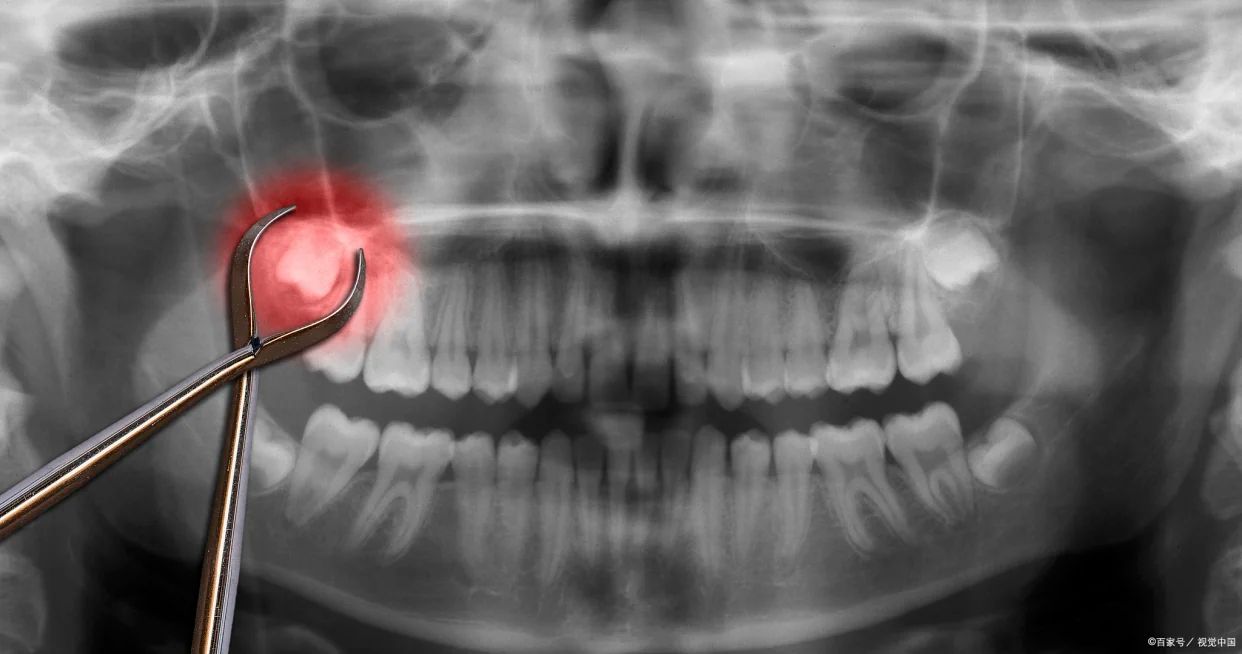
Root canal treatment: An endodontist or dentist cleans out the dead tissue and infection inside the root, disinfects the canals, and seals them to prevent re-infection. The tooth is then restored—often with a crown—to protect it for the long term. Root canal therapy aims to keep your natural tooth functioning and looking normal.
Extraction: If the tooth is cracked below the gumline, too decayed to rebuild, or has complicated root anatomy that makes treatment impractical, removing it may be recommended. After extraction, you’ll discuss replacement options such as a dental implant, bridge, or a removable solution to maintain chewing function and prevent teeth from shifting.
What to weigh before you decide
- Restorability: Can the tooth be predictably rebuilt? Your dentist will evaluate the remaining tooth structure and any fractures.
- Long-term function: A well-done root canal and crown often provide years of use. Extraction followed by replacement can also be durable. Consider how each option fits your bite and oral health goals.
- Infection status: If there’s an active abscess, you may need prompt treatment. Antibiotics can help with acute infection but don’t fix the underlying problem; definitive dental care is necessary.
- Time and appointments: Root canal treatment may be completed in one or more visits, followed by a restoration. Extraction can be faster, but replacement usually requires planning and healing time.
- Comfort expectations: Modern techniques and anesthesia make root canal therapy and extractions manageable. Discuss your pain control plan and any anxieties with your dental team.
Recovery and aftercare
After treatment, mild soreness is common. Follow your dentist’s instructions on eating, brushing, and medication. If you had a root canal, protect the tooth until the final restoration is placed. Call your dentist if pain worsens, swelling increases, or you notice a new bump on the gums.
Prevention tips that make a real difference
- Brush twice daily with fluoride toothpaste and clean between teeth
- Keep up with regular dental checkups and professional cleanings
- Address cavities early before they reach the pulp
- Wear a mouthguard during sports to prevent trauma
- Don’t ignore chipped or cracked teeth; quick repair can protect the pulp
- Manage dry mouth, acid reflux, or dietary habits that increase decay risk
Frequently asked questions
Can a dead tooth heal on its own? No. Once pulp tissue is necrotic, it cannot regenerate. The focus shifts to stopping the infection and saving the tooth if possible.
Will a necrotic tooth always hurt? Not always. Pain can decrease when the nerve dies, but the infection persists. Lack of discomfort does not mean you’re in the clear.
Bottom line
Pulp necrosis is a serious, but very treatable, dental condition. The best decision is the one that addresses infection and supports your long-term oral health, whether that means a root canal and restoration or an extraction with a thoughtful replacement plan. If you suspect pulp necrosis, don’t wait—book a dental exam, get a clear diagnosis, and discuss the pros and cons of each option with a dentist who understands your health history and goals.
















