









Why Choose Pulp Treatment in Shenzhen? – A Dentist Answers
If you’ve been told you might need pulp treatment—often called a root canal—you probably have questions: Is it painful? How long will it take? Where should I go? As a dentist practicing in Shenzhen, I see these concerns every day, and I can tell you this: with modern techniques and well-trained clinicians, pulp treatment is a highly effective, tooth-saving procedure. Shenzhen is uniquely positioned to offer high-end care with convenience and comfort, making it a smart choice for anyone facing a dental infection or severe tooth pain.
What Exactly Is Pulp Treatment?
Inside every tooth is a soft tissue called the pulp—it contains nerves, blood vessels, and connective tissue. When the pulp becomes inflamed or infected due to deep decay, cracks, or trauma, you may feel sharp pain, lingering sensitivity, or even see swelling. Pulp treatment removes the infected tissue inside the tooth, disinfects the canals, and seals them to prevent future reinfection. The goal is simple: relieve pain and preserve your natural tooth so you can chew comfortably and smile with confidence.
Signs You Might Need Pulp Treatment
While only a dentist can confirm the diagnosis, these signs often point to pulp involvement:
- Persistent toothache, especially lingering pain after hot or cold
- Tenderness when biting or chewing
- Swelling in the gums or face near the tooth
- Darkening or discoloration of the tooth
- A chipped or cracked tooth that is now sensitive
Why Shenzhen Is a Smart Place for Pulp Treatment
Shenzhen’s dental scene has grown rapidly, combining international standards with local efficiency. Here’s what sets the city apart:
- Advanced technology: Many clinics use operating microscopes, digital X-rays, apex locators, and rotary nickel-titanium instruments. These tools increase precision, reduce treatment time, and improve long-term outcomes.
- Strong infection control: Clinics follow strict sterilization protocols and modern guidelines for patient safety, which is crucial when treating infections inside the tooth.
- Experienced clinicians: You’ll find general dentists and endodontists (specialists in root canals) who regularly manage complex cases, from calcified canals to retreatments.
- Bilingual care: For international residents, bilingual staff and clear explanations make the process less stressful and more transparent.
- Convenient access: With well-connected metro lines and clinics across districts like Futian, Nanshan, Luohu, and Bao’an, it’s easy to schedule visits that fit your routine.
How the Procedure Works in Shenzhen
While every case is unique, a typical pulp treatment is straightforward and patient-focused:
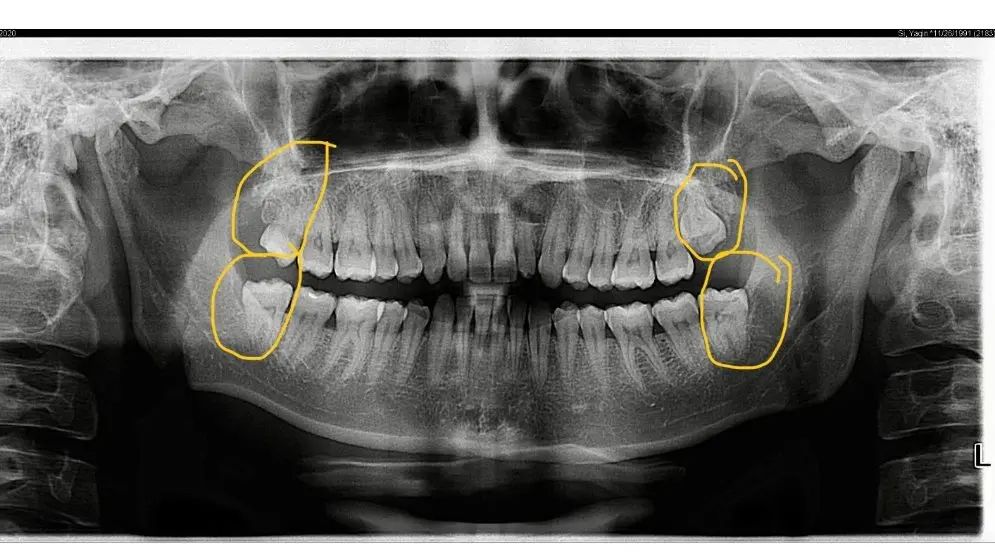
1. Diagnosis: We start with a thorough exam, percussion and vitality tests, and digital imaging. In more complex cases, a CBCT scan may help map root anatomy and detect hidden infections.
2. Comfort first: Local anesthesia ensures you’re numb and comfortable. If you’re anxious, some clinics offer additional calming options.
3. Isolation and access: A rubber dam is placed to keep the tooth clean and dry. We create a small opening to access the pulp chamber without disturbing healthy tooth structure.
4. Cleaning and shaping: Using precise instruments and irrigation solutions, we remove infected tissue and shape the canals for opt
imal disinfection.
5. Disinfection and sealing: The canals are disinfected and filled with a biocompatible material to create a tight seal. A temporary filling protects the tooth until the final restoration.
6. Final restoration: Most teeth treated with pulp therapy need a crown to restore strength and function. Your dentist will discuss timing and materials based on your bite and aesthetic goals.
7. Follow-up: We check healing and ensure your bite feels natural. Many Shenzhen clinics offer flexible follow-up slots to accommodate busy schedules.
Is Pulp Treatment Painful?
This is the biggest myth. With modern anesthesia and technology, the procedure itself is typically painless. In fact, most patients feel relief as the source of inflammation is removed. You may experience mild tenderness for a few days, which can be managed with routine post-treatment care.
How Long Does Recovery Take?
Most people return to normal activities on the same day or the next. Avoid chewing hard foods on the treated tooth until the final crown is placed. Good oral hygiene—brushing, flossing, and regular check-ups—supports healing and durability.
Why Not Just Extract the Tooth?
Extraction can seem simpler, but keeping your natural tooth usually offers better chewing efficiency, jaw support, and alignment. A well-performed pulp treatment often lasts many years with proper care. Preserving your tooth can also help avoid future complications related to missing teeth.
Tips for Choosing a Clinic in Shenzhen
Not all clinics are the same, and selecting the right team matters. Consider the following:
- Qualifications and experience: Ask about the dentist’s training, how often they perform pulp treatments, and whether they use an operating microscope.
- Technology and protocols: Look for digital imaging, rubber dam isolation, and clear sterilization procedures.
- Communication: Choose a clinic that explains your diagnosis, shows imaging, and outlines a step-by-step plan. Bilingual support can be invaluable.
- Comprehensive care: Confirm that the clinic can provide the necessary crown and follow-up, not just the canal work.
- Accessibility: Location and scheduling flexibility can make multi-visit care easier to complete.
What If I’m Not in Severe Pain Yet?
Early intervention leads to better outcomes. If you notice warning signs—lingering sensitivity, a cracked tooth, or gum swelling—don’t wait until the pain becomes unbearable. A timely exam may allow for more conservative treatment, and if pulp therapy is needed, you’ll be prepared rather than rushed.
Living Comfortably After Pulp Treatment
Pulp-treated teeth function like any other with proper restoration. Maintain good daily hygiene, avoid biting very hard objects, and attend routine dental check-ups. If you ever feel new discomfort or notice a loose crown, schedule a visit promptly. In Shenzhen, it’s easy to get quick assessments and adapt your care plan.
The Bottom Line
Pulp treatment is a proven, tooth-saving procedure—and Shenzhen offers the technology, expertise, and patient-centered care that make it a smooth experience. If you suspect a tooth infection or persistent pain, consult a local dentist for an evaluation. With the right team and modern techniques, you can relieve pain, protect your natural tooth, and get back to life with a healthy, confident smile.
















