









Dental Implants in Shenzhen: What to Know First – Learn More
Thinking about dental implants in Shenzhen? You’re not alone. The city’s mix of modern clinics, experienced implant dentists, and efficient public transportation make it a practical place to restore your smile. Before you book a consultation, here’s a straightforward guide to help you understand the process, set realistic expectations, and choose the right provider for your needs.
Why consider Shenzhen for implants
Shenzhen’s dental sector has grown rapidly, with many clinics offering advanced imaging (such as CBCT 3D scans), guided surgery, and in-house digital labs for faster, more precise crowns. The city serves both locals and international residents, so you’ll find clinics with bilingual teams, clear treatment plans, and streamlined appointment systems. Accessibility is another plus: clinics are spread across key districts and near metro lines, making follow-ups easier.
Are you a good candidate
Dental implants are designed to replace missing teeth with a titanium or zirconia root and a custom crown. Ideal candidates have healthy gums, adequate bone volume, and good oral hygiene habits. Your dentist will evaluate:
- Medical history: conditions like uncontrolled diabetes, bleeding disorders, osteoporosis medications, or immunosuppressants can affect healing.
- Habits: smoking and heavy alcohol use raise complication risks and slow integration.
- Gum health and bone density: active gum disease needs treatment first; bone grafting or a sinus lift may be recommended if bone is insufficient.
- Bite and grinding: bruxism can overload implants; a night guard may be part of the plan.
What the process looks like
A typical journey follows clear steps:
1) Consultation and imaging: You’ll discuss goals, review medical history, and get a CBCT scan to assess bone and nerve positions. Photos and digital impressions may be taken for planning.
2) Personalized plan: Your dentist will outline options (single implant, implant bridge, or full-arch solutions), timelines, and expected healing phases. Ask for a written, itemized plan detailing stages and materials.
3) Surgery day: Most implants are placed under local anesthesia. Guided surgery (using a custom template) can improve precision. Some cases allow immediate temporary teeth; others use a healing cap.
4) Healing and integration: Over several weeks to a few months, the implant fuses with bone. You’ll follow a soft-food diet initially and avoid pressure on the area.
5) Abutment and crown: Once integration is confirmed, the abutment is attached and a custom crown is fabricated—often through a digital workflow for fit and aesthetics.
6) Maintenance: Regular checkups and professional cleanings help protect your investment.
Choosing a clinic and dentist
Experience matters. When evaluating providers in Shenzhen, consider:
- Credentials and specialization: Look for dentists with formal implant training, recognized certifications, and verifiable case experience.
- Technology and sterilization: Ask about CBCT, digital scanners, guided surgery, and strict infection control protocols.
- Case portfolio: Before-and-after photos, success rates, and references provide insight into quality.
- Clear communication: Bilingual staff and written consent forms help ensure you fully understand your plan and aftercare.
- Lab quality: On-site or partner labs with high standards impact crown accuracy and aesthetics.
- Continuity of care: Confirm who handles complications and how follow-ups are scheduled.
Techniques and materials
Titanium implants are the most common due to their long-term track record
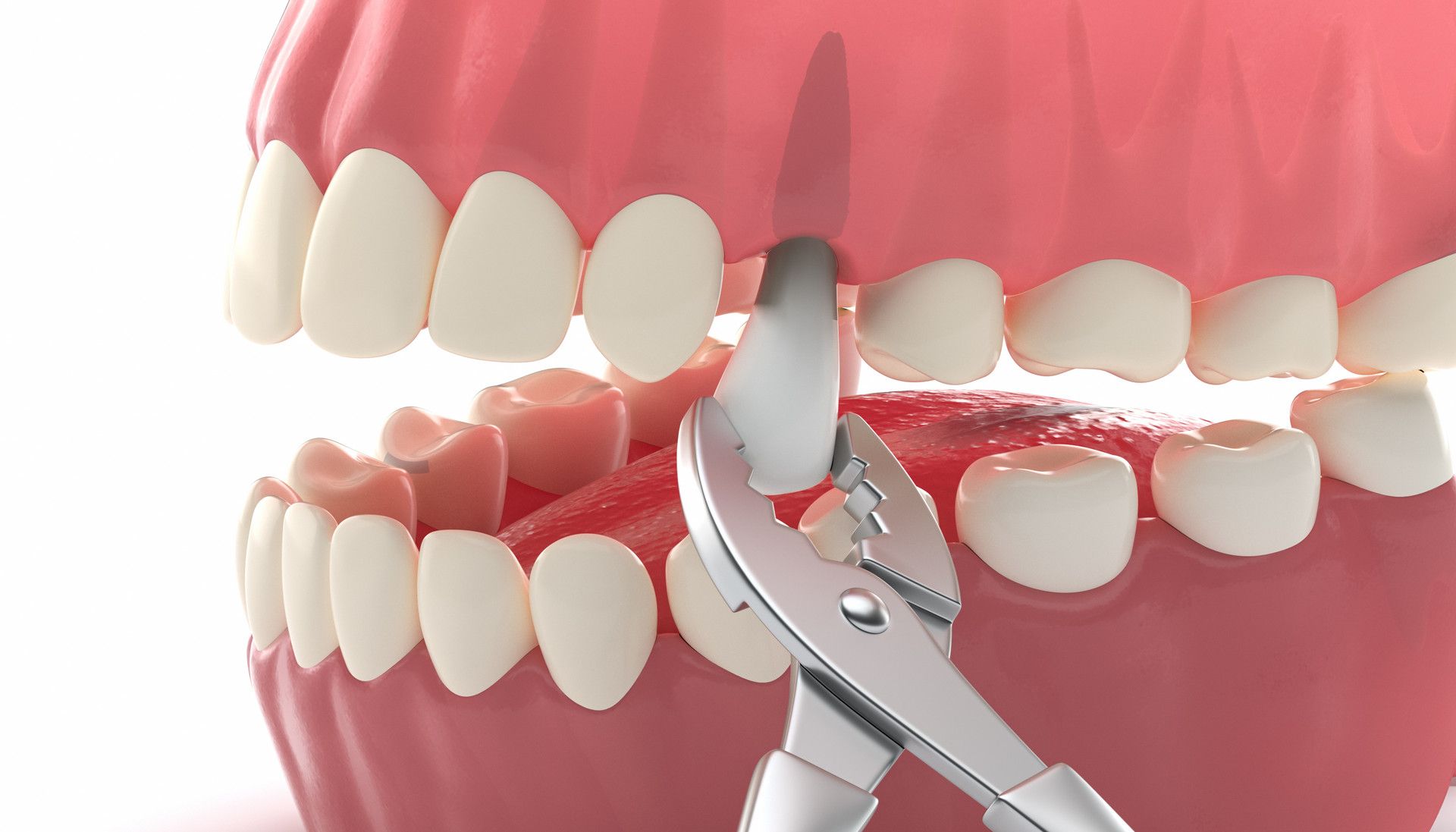
and biocompatibility. Zirconia implants may be considered for metal-free preferences or specific aesthetic needs. Depending on your case:
- Immediate placement: An implant may be placed right after extraction if infection is controlled and bone is adequate.
- Bone graft or sinus lift: Used to rebuild bone volume where needed.
- Full-arch solutions: When many teeth are missing, multiple implants can support a fixed bridge.
Your dentist will weigh factors like bite forces, gum line, and bone anatomy to recommend the best path.
Pain, recovery, and aftercare
Most patients are surprised by how manageable discomfort is with local anesthesia and post-op instructions. Expect mild swelling or bruising for a few days. Your dentist may suggest:
- Cold compresses on day one, warm compresses later for comfort.
- A soft-food diet (eggs, yogurt, soups, steamed vegetables) and avoidance of very hot, spicy, or hard foods during initial healing.
- Gentle brushing around the site and a prescribed mouth rinse—then a return to meticulous brushing, flossing, and possibly a water flosser.
- No smoking or alcohol while healing.
Contact your clinic promptly if you notice persistent bleeding, increasing pain after day three, fever, or a loose healing cap.
Risks and how to lower them
Complications can include infection, peri-implantitis (gum inflammation around the implant), sinus involvement in upper jaw cases, nerve irritation in rare situations, or early implant failure. Reduce risk by:
- Choosing a skilled provider who uses proper planning and imaging.
- Treating gum disease beforehand and maintaining excellent hygiene.
- Controlling systemic conditions with your physician’s guidance.
- Avoiding smoking and following post-op instructions exactly.
Practical tips for Shenzhen patients
- Language: If you prefer English, confirm bilingual support before booking. Bring prior x-rays or dental records if available.
- Scheduling: Plan buffer time for healing between surgical placement and final crown visits. Avoid scheduling major travel immediately after surgery.
- Transportation: Pick clinics near metro stations for easy follow-ups; consider a friend to accompany you on surgery day.
- Payments and insurance: Many clinics provide detailed invoices that you can submit to insurers. Confirm documentation requirements in advance and clarify what follow-up care is included.
- Allergies and medications: Share allergies and a current medication list; ask whether antibiotics or pain relievers will be prescribed.
Alternatives to implants
Depending on your situation, a dental bridge or removable denture might be appropriate. A bridge can be faster but requires reshaping neighboring teeth. Dentures are non-surgical and cost-effective but less stable. Discuss pros and cons so you choose the option that aligns with your goals, oral health, and lifestyle.
How long do implants last
With proper placement and care, implants can last many years. Success depends on bone quality, bite forces, hygiene, and regular maintenance. Plan on checkups every 6 months (or as advised) and professional cleanings to monitor the implant and surrounding tissues. If you clench or grind, a night guard can protect your investment.
Final takeaways
Dental implants in Shenzhen can be a safe, predictable way to restore function and confidence when you approach the process thoughtfully. Start with a comprehensive consultation, ask detailed questions, and choose a clinic that prioritizes diagnostics, transparent planning, and long-term follow-up. With the right team and good home care, you’ll have a strong foundation for a healthy, lasting smile.
















