









Dental Implants in Shenzhen: Worth the Trip from HK?
Thinking about crossing the border for dental implants? If you live in Hong Kong, Shenzhen can feel closer than some parts of your own city. With modern clinics, straightforward transport, and increasingly seamless cross-border routines, it’s a real option. But are dental implants in Shenzhen actually worth the trip from HK? Here’s a clear, practical look at what to expect so you can decide with confidence.
What the dental implant journey actually involves
Dental implants are not a one-and-done appointment. The process typically spans several months and includes:
- Consultation and planning: Clinical exam, digital scans, and a CBCT to map bone and nerves. Your dentist will assess if you need bone grafting or sinus lift and outline a timeline.
- Implant placement: A titanium post is inserted into the jawbone under local anesthesia. Some clinics offer conscious sedation. Swelling and mild soreness are common for a few days.
- Osseointegration: Over several weeks to months, the implant fuses with bone. During this period, you may wear a temporary tooth depending on the location and bite.
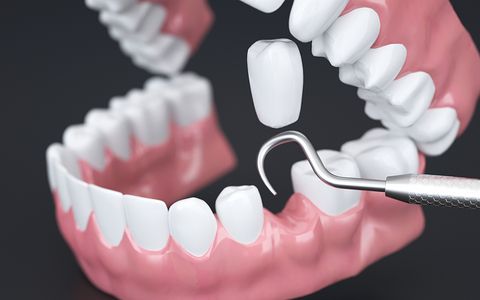
- Abutment and crown: Once the implant is stable, an abutment is attached and a custom crown is fitted. Final adjustments ensure your bite feels natural.
Some cases are eligible for “immediate loading,” where a temporary crown is placed shortly after surgery, but not everyone qualifies. Overall, expect multiple visits and lead time for healing.
Why Shenzhen is on many people’s shortlist
- Proximity and access: From West Kowloon to Futian via high-speed rail, or through Lok Ma Chau/Lo Wu, Shenzhen is practically next door. That makes multi-visit treatments more realistic.
- Modern tech and facilities: Many clinics use digital workflows, on-site milling, and guided surgery, which can improve precision and patient experience.
- Internationally trained clinicians: It’s increasingly common to find dentists with training or postgraduate qualifications from overseas, with experience in complex cases.
- Language support: Major clinics often offer English and Cantonese support, plus digital communication for scheduling and aftercare.
- Flexible scheduling: Extended hours and swift booking can be a relief if you want to start treatment quickly or need weekend options.
Important considerations before you go
- Multi-visit logistics: Implants usually require at least two to three visits. Consider if you can comfortably make repeated trips and handle recovery time without long commutes.
- Aftercare plan in HK: Healing and maintenance are key to success. Clarify how follow-ups are handled if you can’t cross the border due to weather, work, or policy changes.
- Medical history: Conditions like diabetes, smoking, or bruxism can affect healing. Share your medical records and medications. You might need a letter from your GP or previous dentist.
- Communication and consent: Ensure you fully understand the plan, materials, alternatives, and timelines. Ask for a detailed treatment plan, including what happens if adjustments or grafting are needed.
- Emergency protocol: Implants rarely cause emergencies, but discomfort or complications can happen. Understand who to call, expected response times, and whether a local HK dentist can step in.
- Documentation: Keep digital copies of scans, treatment
plans, and postoperative instructions so any provider on either side of the border can pick up your care if needed.
How to choose a Shenzhen clinic wisely
- Credentials and experience: Look for dentists with recognized implant training and a strong case portfolio. Ask about annual case volumes and success rates.
- Systems and materials: Ensure they use reputable implant systems with long-term data and readily available replacement parts.
- Diagnostics and planning: A clinic that relies on CBCT scans and guided-surgery planning can reduce surprises. Ask how they assess bone quality and manage complex cases.
- Sterilization and safety: Confirm infection control standards and anesthesia protocols. Transparency here is a very good sign.
- Lab coordination: A strong relationship with a quality dental lab improves the fit and aesthetics of your crown. Ask if they do digital impressions and what ceramics they use.
- Aftercare and guarantees: Understand follow-up schedules, maintenance requirements, and what support is available if you need adjustments months later.
Travel tips for smoother appointments
- Timing: Avoid major travel right after surgery. Plan a quiet day or two for recovery. Arrange transport that minimizes long walks or heavy bags.
- Border planning: Choose the crossing that best aligns with your clinic’s location—Futian and Shenzhen North are popular for central appointments.
- Nutrition and comfort: Stock soft foods and cold packs. Follow postoperative instructions on oral hygiene, rinses, and medication.
- Contingency buffer: Build in flexibility in case your dentist wants to see you sooner than expected, or if swelling persists.
What about candidacy and timelines?
Not everyone is an immediate candidate for implants. Adequate bone volume and healthy gums are key. If bone grafting is needed, your timeline extends, and you’ll want a clinic experienced in these procedures. Smokers, people with uncontrolled systemic conditions, or those with untreated gum disease may need pre-treatment work and tighter follow-up. Clear communication about these factors early on will prevent surprises later.
Will you feel a difference in care standards?
Many Shenzhen clinics match international standards in planning, materials, and technology. The biggest differences you’ll notice are logistics and communication styles. A clinic that offers thorough consults, transparent timelines, and digital follow-ups can make cross-border care feel almost local. Conversely, a rushed consult or unclear instructions is a sign to keep looking.
So, is it worth the trip from HK?
It can be—if you value modern facilities, flexible scheduling, and are comfortable with cross-border logistics over multiple visits. The keys to a good outcome are the same on either side of the border: careful diagnosis, a realistic plan, meticulous surgery, and diligent aftercare. If you set up a reliable follow-up pathway in Hong Kong, keep your documentation handy, and choose a Shenzhen clinic with strong credentials and communication, dental implants across the border can be a practical, confident choice.
The bottom line: dental implants in Shenzhen are worth considering for many HK residents, provided you plan for the multi-stage process, vet your clinic carefully, and build a seamless bridge between your Shenzhen team and any local support back home.
















