









Why does a root canal fail? – What to Know Before You Decide
Root canal treatment has a strong track record for saving teeth, reducing pain, and stopping infection. Still, like any medical procedure, it isn’t perfect. Understanding why a root canal can fail—and what your options are if it does—can help you make a confident, informed decision.
What a “failed root canal” really means
A root canal is considered unsuccessful when the tooth doesn’t heal as expected or becomes reinfected after initially feeling better. You might notice lingering or returning symptoms, or your dentist might see signs of persistent infection on an X‑ray even if you feel fine. Failure can occur weeks, months, or even years after treatment.
Common reasons a root canal fails
- Missed canals and complex anatomy: Some teeth have extra roots or narrow, curved canals that are hard to find and fully clean. If a canal is missed or not completely disinfected, bacteria can remain and cause ongoing infection.
- Reinfection from leakage: After a root canal, the tooth needs a well-sealed filling and often a crown. If the final restoration is delayed, fitted poorly, or becomes leaky, saliva and bacteria can seep in and reinfect the tooth.
- Cracks and fractures: A cracked tooth—especially a vertical root fracture—lets bacteria bypass the root canal filling. Cracks can be present before treatment or develop later from heavy biting forces or grinding.
- Persistent bacteria and biofilms: Some microbes are resilient and can hide in microscopic spaces within dentin. Even with meticulous cleaning, a small bacterial population may survive and slowly flare up later.
- Procedural complications: Instrument separation (a file breaking inside the canal), ledging, or perforation (an unintended hole in the root) can make it hard to fully disinfect and seal the canal.
- New decay: If decay develops around a filling or crown, it can create a pathway for contamination.
- Gum disease: Advanced periodontal problems can mimic or contribute to endodontic issues, complicating healing.
- Health and habits: Smoking, poorly controlled diabetes, and chronic dry mouth can reduce your body’s ability to heal and control infection. Heavy clenching or grinding can stress a restored tooth.
Signs a root canal may have failed
- Pain that lingers, returns after a period of relief, or worsens when you chew or press on the tooth
- Swelling of the gums or face near the treated tooth
- A pimple-like bump on the gum (sinus tract) that drains periodically
- Sensitivity to hot or cold after the initial healing period
- A bad taste or odor in your mouth
- Tooth discoloration or looseness
- No symptoms at all, but your dentist sees a persistent dark area at the root tip on X‑rays
How dentists confirm failure
Diagnosis isn’t guesswork. Your dentist or endodontist will review your symptoms, examine your bite and gums, and take imaging. Traditional X‑rays show changes at the root tip, while 3D imaging (CBCT) can reveal missed canals, small fractures, and hidden anatomy. This information guides the best next step.
What to do if a root canal fails
- Nonsurgical retreatment: The dentist reopens the tooth, removes the old root canal material, dis
infects all canals (including any missed ones), and reseals the system. Retreatment can be very successful, especially when the original issue was a missed canal or a leaky restoration.
- Apicoectomy (endodontic surgery): If infection is isolated at the tip of the root or anatomy prevents full cleaning from the top, a surgical approach removes the root tip and seals the canal from the end. This is often considered when retreatment isn’t feasible or has limited chances of success.
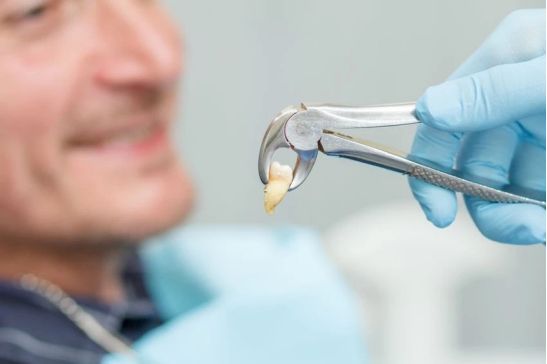
- Extraction and replacement: If the tooth is cracked vertically, severely compromised, or has an unfavorable prognosis, removal may be the healthiest option. Replacement choices include a dental implant, a bridge, or a removable partial denture—each with its own advantages depending on your situation.
- Doing nothing: Letting a chronic infection linger is not recommended. Even if pain is mild, ongoing infection can affect the surrounding bone and your overall health.
How to reduce the risk of root canal failure
- Choose the right provider: Complex cases often benefit from an endodontist— a specialist who uses advanced imaging, operating microscopes, and ultrasonic tools to find and clean canals thoroughly.
- Complete the restoration promptly: Don’t delay the permanent filling or crown after the root canal. A proper seal is critical to prevent reinfection.
- Protect the tooth: Avoid chewing hard foods on the treated tooth until it’s fully restored. If you grind your teeth at night, ask about a night guard.
- Keep up with hygiene: Brush twice daily with fluoride toothpaste, floss, and attend regular checkups. Catching new decay or a leaky crown early can save your tooth.
- Manage health factors: If you smoke, consider quitting. Work with your physician to keep conditions like diabetes well controlled.
Is a failed root canal always painful?
No. Some failures are silent, showing up only on X‑rays. That’s why routine dental visits matter—even a comfortable tooth can have underlying issues.
How long should a root canal last?
With proper treatment and a well-sealed restoration, many root canal–treated teeth remain comfortable and functional for years. Longevity depends on the tooth’s condition, the quality of the procedure, your bite forces, and your oral care.
Retreatment versus extraction: how to decide
- Cause of failure: A missed canal or leaky crown often favors retreatment. A vertical root fracture typically points to extraction.
- Tooth structure: Teeth with enough healthy structure to support a strong crown have better chances of long-term success.
- Location and function: Back teeth handle heavy chewing forces; preserving them can help maintain your bite and prevent shifting.
- Your health and habits: Grinding, gum disease, and systemic health all influence outcomes.
The bottom line
Most root canals work well, but failure can happen even with excellent care. If you suspect trouble—pain, swelling, or a gum pimple—don’t wait. Prompt evaluation allows more options, higher success, and a better chance of keeping your natural tooth. Ask your dentist or an endodontist to explain the cause, the odds of success with retreatment or surgery, and how to protect your smile for the long haul.
















