









How to treat pulpitis? – What the Research Actually Says
Tooth pain that throbs, keeps you up at night, and flares with hot or cold is often pulpitis—inflammation of the dental pulp, the soft tissue with nerves and blood vessels inside your tooth. Treating pulpitis effectively depends on how inflamed the pulp is and whether it can heal. The good news: contemporary research offers clear, evidence-based paths that preserve teeth whenever possible and relieve pain quickly.
Key takeaways
- Not all pulpitis is the same. Reversible pulpitis may heal if the cause is removed; irreversible pulpitis usually needs root canal treatment or pulpotomy.
- Painkillers help, antibiotics generally do not. NSAIDs (like ibuprofen) with acetaminophen reduce pain; antibiotics are not indicated unless there is spreading infection.
- Vital pulp therapy works. Modern materials allow pulp capping or pulpotomy to save pulp tissue—even in some cases previously thought to require root canal therapy.
- Root canal therapy remains the gold standard when the pulp cannot recover, with high long-term success when done well.
What is pulpitis and how is it diagnosed?
Pulpitis is inflammation of the tooth’s nerve. It typically begins when deep decay, cracks, or repeated dental procedures irritate the pulp. Dentists distinguish two broad categories:
- Reversible pulpitis: Short, sharp pain to cold or sweet that stops quickly. The pulp is irritated but can recover if the cause (decay, leak, or crack) is addressed.
- Irreversible pulpitis: Spontaneous pain, lingering sensitivity to hot or cold, pain that wakes you at night or radiates to the jaw/ear, and often tenderness to biting. The pulp is too inflamed to heal on its own.
Diagnosis is clinical. Dentists use:
- Thermal tests (cold/hot) to gauge response and duration.
- Gentle tapping and bite tests to assess ligament inflammation.
- Electric pulp testing to check vitality.
- Radiographs to look for deep decay, bone changes, or cracks. Advanced imaging may be used in complex cases.
What treatments actually work?
For reversible pulpitis
- Remove the cause: Selective caries removal (taking out decay while avoiding pulp exposure), replacing leaky fillings, and sealing cracks can calm the pulp.
- Indirect pulp capping: When decay is near the pulp, leaving a thin layer of affected dentin and covering it with a biocompatible liner can avoid a pulp exposure and promote healing. Research supports a “seal it and let it heal” approach when the tooth is symptomatically mild and can be well sealed.
- Restoration: A well-sealed bonded filling or onlay reduces bacterial leakage—the real driver of pulp inflammation.
For carious pulp exposures and vital pulp therapy
Historically, any exposure meant a root canal. That’s changed. Multiple clinical studies show high success for vital pulp therapy when the pulp bleeds cleanly and a good seal is achieved:
- Direct pulp capping: For small, pinpoint exposures in teeth with minimal symptoms, placing a calcium silicate cement (like MTA-type or similar bioceramics) over the exposure and sealing the tooth can keep the pulp alive.
- Partial or full pulpotomy: Removing a small portion (partial) or the entire coronal pulp (full) until healthy, controlled bleeding is achieved, then covering with a bioceramic material and sealing the tooth. Recent trials report high 1–2 year success rates even in mature permanent teeth with symptoms previously labeled “irreversible,” provided the procedure is meticulous and the tooth is well sealed.
The key factors are strict isolation (rubber dam), gentle hemostasis, use of bioactive materials, and an excellent coronal seal. If those conditions cannot be met, success drops.
For irreversible pulpitis
- Root canal treatment (RCT)
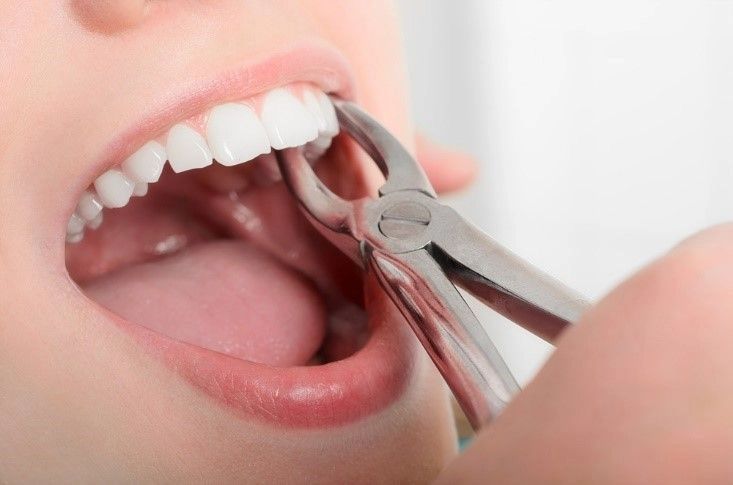
: This remains the definitive care when the pulp cannot recover. RCT removes inflamed or necrotic pulp, disinfects the canals (commonly with sodium hypochlorite), and seals them. Outcomes are excellent when anatomy is properly cleaned and a durable, well-sealed restoration is placed afterward (often a crown for back teeth).
- Pulpotomy as definitive or interim: In emergency settings, a pulpotomy can quickly relieve pain; some contemporary studies support full pulpotomy with bioceramics as a definitive option in selected cases, but long-term outcomes still favor RCT for predictability in many mature teeth.
- Extraction: If a tooth is fractured below the gumline, non-restorable, or the patient prefers not to pursue endodontic care, extraction is an option. Replacement with an implant or bridge is considered later. Preservation is generally preferred when feasible.
What about pain control and antibiotics?
- Analgesics: Evidence supports NSAIDs as first-line. Combining ibuprofen with acetaminophen outperforms either alone for dental pain. Follow label directions and individual medical advice. Opioids are generally not needed and carry risks.
- Local measures: Avoid extreme temperatures; gentle rinses; sleep with head elevated to reduce throbbing.
- Antibiotics: Strong consensus guidelines advise against antibiotics for pulpitis without systemic involvement. They do not relieve pulpal pain. Reserve antibiotics for spreading infection (fever, malaise, facial swelling, cellulitis, lymph node involvement) or in immunocompromised situations, alongside definitive dental treatment.
Single-visit vs multi-visit root canals
Research indicates similar success rates for single-visit and multi-visit RCT when canals can be adequately cleaned and sealed in one appointment. Some patients may experience slightly different short-term pain profiles, but long-term outcomes are comparable. The choice depends on infection status, anatomy, and clinician judgment.
What to expect during and after treatment
- Diagnosis and anesthesia: Your dentist will test the tooth and numb it thoroughly.
- Isolation: A rubber dam keeps saliva out and disinfectants in.
- Procedure: Whether it’s a pulp cap, pulpotomy, or RCT, expect careful cleaning and a temporary or permanent restoration.
- Aftercare: Mild tenderness to biting or temperature for a few days is common. Over-the-counter analgesics usually suffice. Report swelling, persistent pain, or a loose temporary.
Prevention and reducing future risk
- Early care: Treat cavities early to avoid pulp involvement.
- Seal and protect: High-quality, well-sealed restorations and crowns on heavily restored molars prevent microleakage.
- Daily habits: Fluoride toothpaste, interdental cleaning, and reducing frequent sugar exposure lower caries risk.
- Night guards: If you clench or grind, a guard helps prevent cracks.
- Regular checkups: Radiographs and exams catch problems before they reach the pulp.
When to seek urgent care
- Severe, spontaneous pain that disrupts sleep
- Facial swelling, fever, difficulty swallowing or opening your mouth
- Trauma with lingering sensitivity or discoloration
- A cracked tooth with sharp pain on release after biting
Bottom line
Treating pulpitis effectively means matching the therapy to the pulp’s condition and sealing the tooth against bacteria. Modern vital pulp therapy can save teeth once destined for root canals, while root canal treatment remains a predictable, tooth-preserving solution when the pulp cannot heal. Pain relief comes from removing the cause and using evidence-backed analgesics—not antibiotics in uncomplicated cases. If you suspect pulpitis, prompt, definitive dental care is the most reliable way to stop the pain and keep your tooth healthy.
















