









How long does reversible pulpitis last? – A Dentist Answers
If a cold drink makes your tooth zing and the twinge fades once you swallow, you might be dealing with reversible pulpitis—temporary inflammation of the tooth’s nerve. So how long does reversible pulpitis last? In most cases, the pain triggered by cold, sweet, or touch stops within seconds to a couple of minutes once the trigger is gone. The overall condition usually settles over a few days after the irritant is removed, and it can take up to two to four weeks for the tooth to feel completely normal. If symptoms linger longer, intensify, or occur on their own, it may be shifting toward irreversible pulpitis and needs prompt care.
What is reversible pulpitis?
Inside every tooth is the pulp, a soft tissue containing nerves and blood vessels. When the pulp gets mildly irritated—by a small cavity, exposed dentin from gum recession, a recent filling, a cracked enamel edge, or heavy grinding—it becomes more sensitive. In reversible pulpitis, the pulp is inflamed but still healthy enough to heal once the cause is addressed. The hallmark symptom is sharp, momentary sensitivity to cold or sweets that stops quickly when the stimulus is removed.
How long the symptoms last depends on the cause
Because “reversible pulpitis” is a response, not a single disease, the timeline varies by trigger and how quickly it’s managed.
- Early tooth decay or exposed dentin: Once a dentist removes decay and seals the tooth, the nerve typically calms within several days. Residual sensitivity can take one to two weeks to fade as the pulp recovers.
- Recent filling or crown preparation: It’s common for a tooth to be sensitive to cold and bite for one to two weeks after dental work; in deeper cases, settling can take up to four weeks. Gradual improvement is a good sign.
- Cracked tooth or worn enamel: Sensitivity may persist until the crack is stabilized or the worn areas are covered. After treatment, symptoms generally decrease over one to three weeks.
- Clenching and grinding (bruxism): Constant mechanical stress can keep the pulp irritated. Once a night guard and habit changes are in place, many people notice improvement over two to six weeks.
- Gum recession: Exposed root surfaces conduct temperature changes more directly to the pulp. Using desensitizing toothpaste and fluoride treatments often brings relief within one to two weeks, though some cases need additional dental care.
What affects healing time?
Several factors influence how quickly reversible pulpitis settles:
- The depth and extent of the irritant (shallow decay versus deep decay near the nerve)
- Whether the irritant is fully removed (leaky fillings, persistent grinding)
- Oral hygiene and plaque control around the affected tooth
- Age and general health of the pulp (younger pulps tend to heal faster)
- Dietary habits (frequent acidic or sugary drinks prolong sensitivity)
- Thermal extremes (very hot or cold foods can keep nerves reactive)
Signs it’s still reversible versus turning irreversible
Reversible pulpitis typically presents as
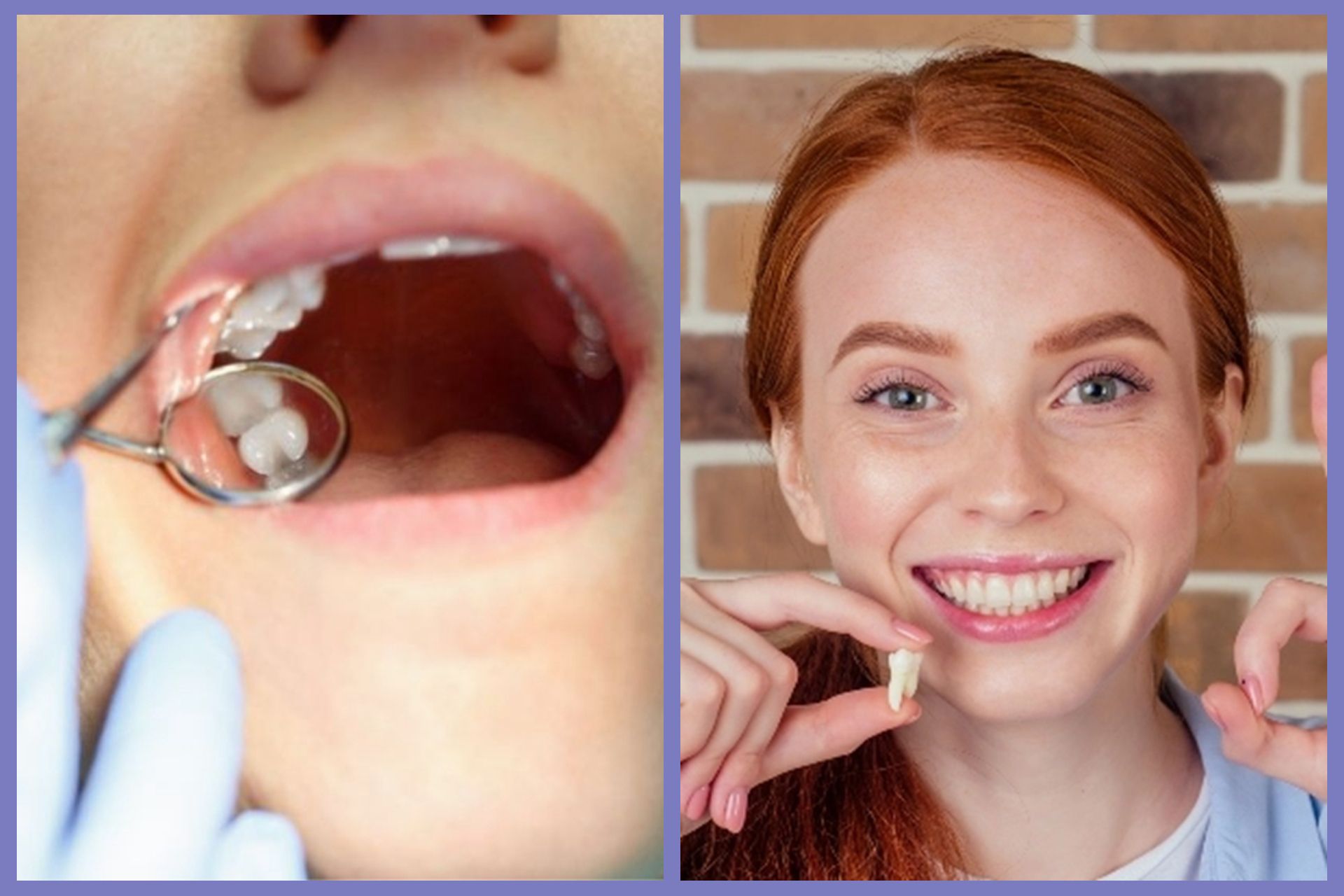
:
- Sharp sensitivity to cold, sweets, or touch
- Pain that stops quickly once the trigger is gone (usually within seconds to a minute)
- No spontaneous or night-time toothache
- No swelling of the gum or face
Red flags that suggest irreversible pulpitis or another problem:
- Lingering pain that lasts longer than 30–60 seconds after cold
- Spontaneous throbbing or pain that wakes you at night
- Sensitivity to heat that triggers prolonged pain
- Pain on biting that persists or worsens
- Facial or gum swelling, bad taste, or fever
If you notice any of these red flags, see a dentist promptly—irreversible pulpitis often needs root canal treatment or other intervention to save the tooth.
What you can do right now
While you’re arranging a dental visit, a few simple steps can help calm a reversible pulpitis flare:
- Avoid triggers: Skip ice water, very hot drinks, and sugary snacks on the sensitive side.
- Use a desensitizing toothpaste: Look for potassium nitrate or stannous fluoride; brush gently twice daily with a soft brush. Give it up to two weeks to work consistently.
- Rinse with fluoride: Daily fluoride rinses can help remineralize exposed areas and reduce sensitivity.
- Be gentle: Don’t scrub the gums; use light pressure and small circular motions.
- Manage clenching: If you grind your teeth, focus on daytime relaxation of the jaw and discuss a night guard with your dentist.
- Choose tooth-friendly foods: Limit acidic beverages and sip water afterward if you do have them.
Over-the-counter pain relievers can be used as directed for short-term comfort unless your healthcare provider has advised otherwise. Painkillers don’t fix the cause, so they should not replace an exam.
When to see a dentist
- Sensitivity persists beyond a week despite avoiding triggers
- You have a known cause (like a lost filling or chipped tooth)
- The pain is getting worse rather than better
- Any red flags appear (lingering pain, heat sensitivity, swelling, spontaneous ache)
Your dentist will identify and remove the irritant—by treating decay, replacing a leaky filling, smoothing a sharp edge, placing a protective liner under a restoration, recommending a night guard, or applying professional desensitizing agents. The earlier the cause is addressed, the better the chance the pulp will heal fully.
Prevention tips to keep pulpitis away
- Brush twice daily with fluoride toothpaste and clean between teeth
- Keep regular checkups so small issues are caught early
- Wear a night guard if you clench or grind
- Limit frequent snacking on sweets and acidic drinks
- Use a soft brush and gentle technique to protect the gums
- Address minor chips or cracks before they worsen
The bottom line
How long does reversible pulpitis last? The immediate zing from cold or sweets should fade quickly after the trigger is gone, and with the cause treated, most teeth settle within a few days to a couple of weeks. If sensitivity lingers, intensifies, or starts on its own, don’t wait—getting the tooth evaluated early can prevent a small, reversible problem from becoming a bigger one.
















