









Dental Pulp Necrosis: Is It Serious? A Dentist Explains
If you’ve been told you might have dental pulp necrosis—or you’ve Googled “dead tooth”—you’re probably wondering how serious it really is and what you should do next. As a dentist, I’ll break it down clearly: dental pulp necrosis is not a minor issue, but it’s very treatable when addressed promptly. The key is understanding what’s happening inside your tooth and acting before complications develop.
What is dental pulp necrosis?
Inside each tooth is a soft tissue called the pulp. It contains nerves, blood vessels, and connective tissue that keep the tooth alive and responsive. When the pulp loses its blood supply—usually due to deep decay, trauma, or infection—it dies. That irreversible death of the pulp is called pulp necrosis. Once the pulp is necrotic, the tooth is no longer “vital” and can no longer fight infection from within.
What causes it?
Several issues can cut off the pulp’s blood supply or introduce bacteria that overwhelm it:
- Deep cavities that reach the nerve
- Dental trauma (a blow to the face, a fall, or a sports injury)
- Cracks or fractures that allow bacteria to enter
- Repeated dental procedures on the same tooth
- Advanced gum disease that affects the root area
- Bruxism (teeth grinding) causing microcracks over time
Is it serious?
Yes—because a necrotic pulp often leads to infection. Bacteria and toxins can escape the root tip into the surrounding bone and tissues, forming an abscess. You might feel throbbing pain, pressure, or swelling. In some cases, the pain fades as the nerve dies, which can trick you into thinking the tooth is better. Unfortunately, the infection can quietly progress, causing bone loss around the root, gum boils (sinus tracts), and even spreading to the face or neck. Severe infections are medical emergencies, though most are resolved easily when treated early.
Common signs and symptoms
You might notice:
- Lingering sensitivity to hot or cold that eventually stops as the nerve dies
- A tooth that suddenly stops hurting but becomes tender to biting or tapping
- Swelling of the gum or face near the tooth
- A pimple-like bump on the gum that drains pus
- Bad taste or odor in the mouth
- Darkening or gray discoloration of the tooth
- Pain that worsens when lying down or at night
Can a “dead” tooth be saved?
Very often, yes—through root canal treatment. During a root canal, the dentist removes the infected, dead pulp, disinfects the root canals, and seals them to prevent reinfection. A crown is typically placed afterward to protect the tooth from fracture. When performed correctly, a root canal can allow your natural tooth to function for many years.
If a previous root canal fails, retreatment or an apicoectomy (a minor surgical procedure to treat the root tip) may be an option. In situations where the tooth is too damaged to save—severe cracks, extensive decay, or structural loss—extraction may be the safest route. Replacement options inclu
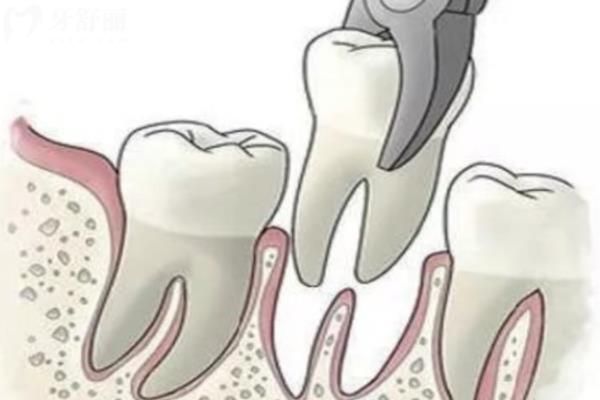
de an implant, a bridge, or a partial denture. Your dentist will walk you through the pros and cons for your particular case.
How dentists diagnose pulp necrosis
Diagnosis isn’t guesswork. Your dentist will:
- Review symptoms and history (trauma, previous fillings, grinding)
- Perform tests: cold stimulus, gentle tapping, and bite pressure
- Check the gums for swelling or a draining sinus
- Take X-rays to look for decay, bone changes, or abscesses
- In complex cases, use 3D imaging (CBCT) for a detailed view
What happens if you ignore it?
Left untreated, infection can expand into the jawbone and surrounding soft tissues. You might develop persistent swelling, difficulty chewing, or recurring gum boils. Bone loss around the tooth increases the risk of tooth loss. Rarely, the infection can spread more widely, posing a serious health risk. Ignoring symptoms often transforms a simple, predictable treatment into an urgent and more complex problem.
What you can do right now
- Call your dentist: The sooner you’re seen, the easier the fix.
- Manage pain safely: Over-the-counter pain relievers as directed by your healthcare provider can help. A cold compress on the cheek reduces swelling. Keep your head elevated when resting.
- Rinse gently with warm saltwater: This can soothe tissues but won’t cure the infection.
- Avoid heat on the face, as it can worsen swelling.
- Do not start leftover antibiotics or stop antibiotics early. Antibiotics alone won’t cure a necrotic tooth; the source must be treated.
- Avoid chewing on the affected side to prevent cracks.
Prevention tips
- Brush twice daily with fluoride toothpaste and floss once daily.
- See your dentist regularly for cleanings and X-rays—small cavities are simple to fix; deep ones are not.
- Wear a mouthguard for contact sports and a nightguard if you grind your teeth.
- Don’t ignore chips, cracks, or sensitivity that lingers longer than a few seconds.
- Address dry mouth, acid reflux, or a high-sugar diet, which raise cavity risk.
Quick myths, clarified
- “It stopped hurting, so it must be fine.” Not necessarily. Pain often decreases when the nerve dies, but infection may be progressing.
- “A dead tooth always needs to be pulled.” Not always. Many necrotic teeth can be saved with root canal therapy.
- “Whitening will fix a dark, necrotic tooth.” External whitening won’t change internal discoloration. After root canal, internal bleaching or a crown may restore appearance.
- “It can’t happen under a crown.” It can. Decay can form at the crown margin or a crack can develop, leading to pulp necrosis.
Bottom line
Dental pulp necrosis is serious because it opens the door to infection—but it’s also a very manageable condition when treated promptly. If you suspect a problem—a tooth that changed color, swelling, a gum pimple, or pain that came and went—don’t wait. Early diagnosis and targeted treatment can save your tooth, protect your health, and get you back to eating and smiling with confidence.
















