









Can people from NZ go to Vietnam for dental work? It’s even cheaper in China
If you’re a Kiwi considering dental tourism, you’re not alone. Dental work abroad has become a practical option for New Zealanders who want shorter wait times and potential savings without compromising on quality. Vietnam is one of the most talked-about destinations, and yes—people from NZ absolutely can go to Vietnam for dental work. You’ll just want to plan carefully, compare it with alternatives like China, and focus on safety and follow-up as much as on cost.
Getting there and getting in
For Vietnam, New Zealand passport holders can typically apply for an e-visa online. Policies do change, so check the official government websites close to your travel dates. Major hubs such as Ho Chi Minh City, Hanoi, and Da Nang have clinics that cater to international patients. Direct flights from NZ are limited, but one-stop itineraries via Australia or Southeast Asia are common.
China is also a feasible option. You may need a tourist visa, and processing times and requirements can vary. Major cities like Shanghai, Shenzhen, Guangzhou, and Beijing host advanced dental facilities, and border-proximate cities can be convenient if you’re already traveling in the region. As always, verify updated entry rules and any health requirements before booking.
Why consider Vietnam for dental work?
- Established dental tourism scene: Vietnam has built a reputation over the past decade for welcoming international patients, particularly for procedures like crowns, veneers, implants, and root canals.
- English-speaking staff: Many clinics in urban centers have English-speaking teams and international-facing patient coordinators, which helps reduce stress.
- Modern equipment and materials: Reputable clinics use contemporary imaging, CAD/CAM milling, and widely recognized materials. Always ask for brand and specification details as part of your treatment plan.
- Fast turnaround: If you’re doing multiple procedures, clinics often plan back-to-back appointments to make the most of your time abroad.
- Travel appeal: Combining treatment with a short holiday is part of the draw—just plan some downtime after procedures.
Is China really cheaper?
In some cases, dental work in China can be even more cost-effective than in Vietnam. Larger domestic markets and competitive urban centers can drive prices down, especially in high-density regions. However, “cheaper” is only part of the equation. Consider:
- Visa and logistics: China may require longer lead times for visas and has bigger, busier cities that can be less straightforward for first-time visitors.
- Language: English is widely spoken in international clinics, but everyday navigation and follow-up communication can be easier in places with more English-language support.
- Travel costs and time: Factor in total trip cost, not just the procedure. Flights, accommodation, local transport, and extra days on the ground can shift your bottom line.
- Follow-up access: Will you be able to reach your dentist easily after you return? Does the clinic offer remote consults and clear policies for post-op issues?
Quality and safety: what to check anywhere you go
- Credentials: Ask for your dentist’s qualifications, years of experience, and specialization. Check membership in national associations (for example, the Vietnamese or Chinese stomatology associations) and any international training.
- Clinic standards: Inquire about steriliza
tion protocols, infection control, and imaging technology. Look for transparent documentation and a clean, professional environment.
- Treatment plan: Request a written plan that outlines the procedures, materials, number of visits, and estimated timeline. Make sure you understand alternatives and expected outcomes.
- Warranty and aftercare: A clear policy for adjustments or complications can save headaches. Ask how the clinic handles follow-up once you’re back in NZ.
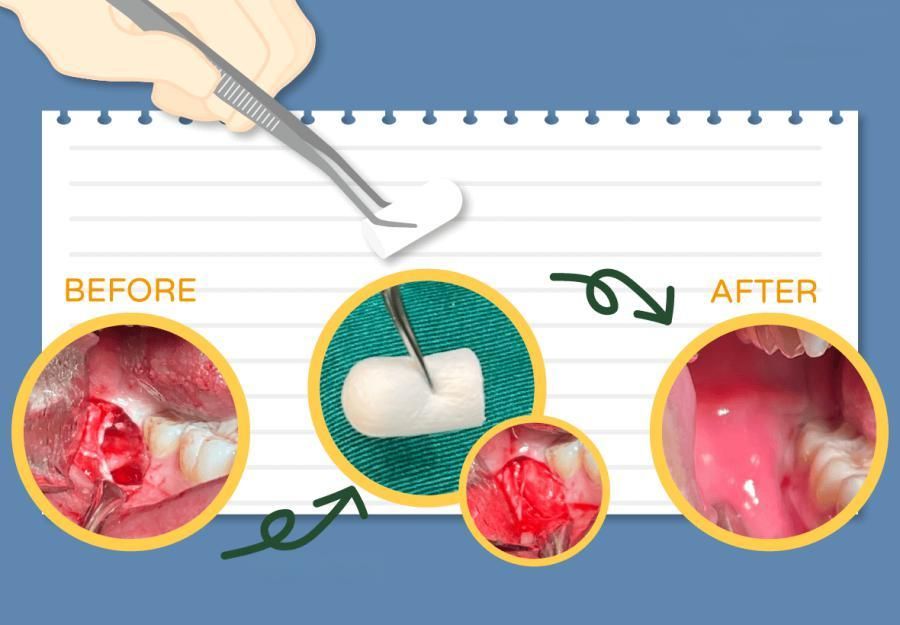
- Reviews and case studies: Look for detailed, recent patient stories with before-and-after images. Independent reviews are valuable, but read them critically.
Counting the true cost (without naming numbers)
Even if procedure fees look lower abroad, consider the full picture:
- Number of trips: Some treatments, such as implants, may require multiple stages separated by months. Will you return, or can phases be completed in NZ?
- Time off work: Extra days for healing and contingency buffers matter, especially for complex procedures.
- Accommodation and transport: Proximity to the clinic and airport can reduce stress and incidental costs.
- Potential revisions: Build a margin in your schedule and budget for adjustments if needed.
Insurance, consent, and records
- Insurance: Many NZ insurance policies don’t reimburse elective dental work overseas. Check in advance and request itemized receipts.
- Medical history: Share complete dental records and any X-rays with your chosen clinic before you fly. Transparency helps prevent surprises.
- Informed consent: Make sure consent forms are in a language you understand, including risks, benefits, and alternatives.
Communication and cultural fit
- Language support: Confirm that your dentist and key staff can explain procedures clearly in English. If not, ask for an interpreter or written summaries.
- Expectations: Have a frank conversation about aesthetics, color matching, and bite alignment. Bring photos or previous dental work notes for reference.
- Scheduling: Avoid cramming major procedures right before your flight home. Build in recovery days and a final check-up.
Vietnam vs. China: how to choose
- If you value an established dental tourism ecosystem with abundant English-language support and streamlined e-visa access, Vietnam may feel more straightforward.
- If your priority is the absolute lowest procedure fees and you’re comfortable navigating larger cities, visas, and potential language barriers, China can be compelling.
- For either option, the individual clinic matters more than the country. A top-tier clinic in either destination is usually better than an average clinic next door.
Practical planning tips
- Get at least two remote consultations and compare treatment plans.
- Verify turnaround times for lab work and confirm the materials in writing.
- Schedule during milder weather to make recovery more comfortable.
- Keep digital and printed copies of all records and imaging.
- Arrange a local contact or concierge service if traveling alone.
The bottom line
Kiwis can absolutely travel to Vietnam for dental work, and many do so successfully. China can sometimes be even cheaper, but price shouldn’t be the only deciding factor. Focus on verified credentials, clear communication, robust aftercare, and the total cost of your trip. With careful research and realistic expectations, dental tourism—whether to Vietnam or China—can deliver solid outcomes and a smoother experience from consultation to smile reveal.
















