









Sinus Lift in Zhuhai: What Patients Actually Say
If you’re considering dental implants in the upper jaw, there’s a good chance you’ve heard about a sinus lift. It’s a common bone augmentation procedure that creates enough height and density for secure implants near the maxillary sinus. In Zhuhai—a coastal city known for its modern clinics and easy access from Macau and Hong Kong—patients have been sharing candid feedback about the experience. Here’s a clear, down-to-earth look at what people actually say, from consultation to recovery.
Why Zhuhai for a sinus lift
Patients often mention convenience, clean facilities, and attentive staff as reasons for choosing Zhuhai. Many clinics use digital planning and CBCT (cone beam CT) scans, which helps oral surgeons map out the sinus floor, assess bone volume, and predict how much graft material is needed. Bilingual teams are common, and scheduling is generally flexible. For those crossing from nearby cities, the travel logistics feel manageable when appointments are planned with buffer days.
Inside the consultation: clarity and trust
“Detailed” is a word patients keep using. Most report that the dentist or oral surgeon starts with a thorough health history and a CBCT scan, then explains the sinus anatomy, graft options (such as allograft, xenograft, or synthetic materials), and the step-by-step procedure. Surgeons discuss risks like sinus membrane perforation and how they would handle it if it happens. People appreciate when clinics set realistic timelines: the sinus lift itself is outpatient, but the bone needs months to mature before implants can be placed. Patients also note feeling reassured when they’re encouraged to ask questions about sedation, aftercare, and contingency plans.
The day of surgery: what it feels like
Most sinus lifts in Zhuhai are done under local anesthesia, sometimes with sedation depending on the case and patient preference. Patients commonly say they felt pressure and vibration during the procedure rather than sharp pain. You might hear drilling noises and experience a sense of fullness. Staff typically monitor comfort closely and provide breaks as needed. After surgery, expect gauze changes and clear written instructions. Many clinics offer an ice pack, review sinus precautions (like avoiding nose blowing), and arrange a follow-up message or call later the same day.
Recovery realities: swelling, timing, and care
Patients consistently report that swelling peaks around day two or three, with mild bruising near the cheeks that fades within a week. Pain is described as “manageable,” often controlled with medication recommended by the clinic. A few practical tips are frequently cited:
- Sleep propped up on a wedge pillow for the first few nights to reduce swelling.
- Sneeze with your mouth open to avoid pressure in the sinus.
- Avoid nose blowing and strenuous exercise for the timeframe the clinic advises.
- Stick to soft foods initially and keep the mouth clean with gentle rinses as instructed.
Antibiotics or nasal sprays may be prescribed depending on the case. Follow-up visits are valued; patients like knowing the graft is healing as expected. Most people mention a 4–6 month wait before implant placement, though larger grafts may take longer. The exact timeline depends on the initial bone height, graft type, and individual healing. Those who smoke or have sinus conditions should expect stricter precautions.
How outcomes are described
When healing goes smoothly, patients say they feel relieved to finally beco
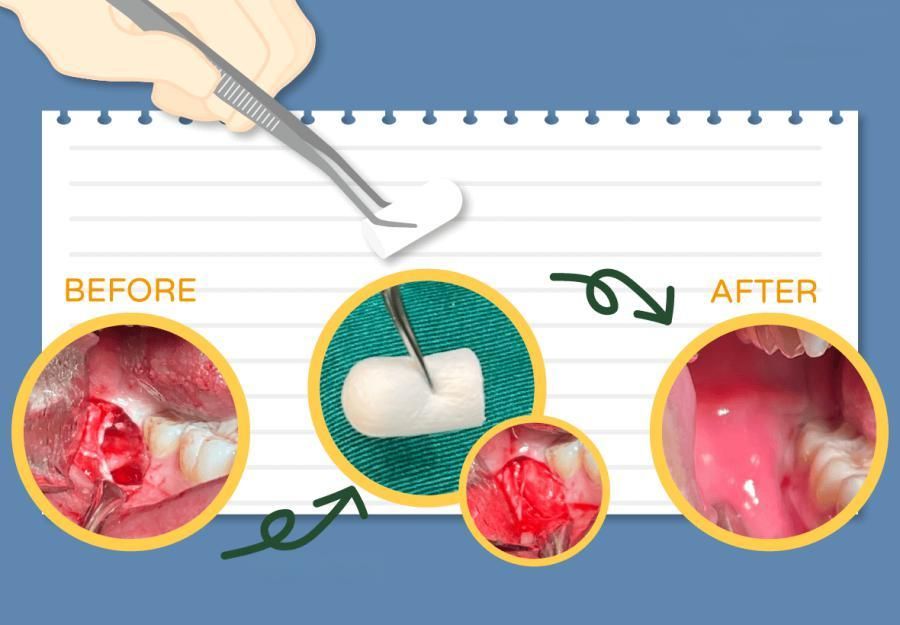
me eligible for upper implants. “Biting into an apple again” comes up as a favorite milestone after the final restorations are in place. They appreciate the stability of implants and the confidence that comes with restoring function and aesthetics. While no procedure is risk-free, patients emphasize that predictable planning and careful aftercare in Zhuhai clinics contribute to positive experiences.
What stands out about clinics in Zhuhai
- Communication: Patients value plain-English explanations and timely messages. Many clinics offer post-op care sheets in multiple languages and quick replies on chat or phone.
- Technology: CBCT-based planning, sterile protocols, and membrane techniques are commonly mentioned.
- Comfort: Staff are described as calm and gentle, with a focus on monitoring blood pressure, providing blankets, and checking on pain throughout the procedure.
- Follow-up: People like scheduled check-ins and the sense that the team “owns” the recovery, not just the surgery.
Challenges and how patients handle them
The two issues patients mention most are travel and expectations. If you’re crossing borders, plan wiggle room in your schedule and avoid flying immediately after the procedure. Set realistic expectations about swelling and the multi-stage nature of implant dentistry. Patients say that having a clear recovery checklist and lining up soft meals and ice packs ahead of time helps. Those with allergies or sinus sensitivities suggest discussing them early with the surgeon.
How patients choose a clinic
Patients who felt most confident tend to ask specific questions:
- How many sinus lifts do you perform per year?
- Will you use a CBCT to plan my case?
- Which graft materials and membranes do you recommend for me, and why?
- What is your protocol if the sinus membrane is perforated?
- What aftercare will I receive, and how can I reach the team quickly if I have concerns?
- How are consent and treatment stages documented?
Transparency matters. People appreciate a clearly outlined treatment plan, itemized services, and realistic timelines for graft maturation and implant placement.
Myths patients often debunk
- “It’s unbearably painful.” Most say it’s more about pressure during the procedure, with manageable discomfort afterward.
- “I’ll have sinus problems forever.” Clinics clarify that careful technique aims to protect the sinus membrane, and patients typically report normal sinus comfort after initial healing.
- “Recovery will take months of downtime.” Swelling and restrictions are short-term; normal activities gradually return as the clinic advises, while bone maturation continues in the background.
Travel and timing tips from real experiences
Plan for a quiet few days post-op, choose accommodation near the clinic, and carry your aftercare instructions digitally. Keep your head elevated when resting and avoid heavy lifting. If you need to fly, coordinate with your surgeon for a safe timeline. Patients also suggest arranging a translator if needed and confirming pharmacy locations for any prescribed medications.
The bottom line
Patients describe sinus lifts in Zhuhai as carefully planned, professionally executed, and supported by attentive aftercare. Most emphasize comfort, communication, and clear expectations as the keys to a good experience. If you’re considering the procedure, use patient insights to guide your questions, choose a clinic that prioritizes safety and transparency, and give yourself the time your body needs to heal for long-term implant success.
















