









Tooth Filling in Shenzhen: Worth the Trip from HK?
If you live in Hong Kong and you’ve been told you need a tooth filling, you might have wondered whether it’s worth crossing the border to Shenzhen. With convenient transport links, modern clinics, and flexible appointment options, Shenzhen has become a genuine option for routine dental work. But does it make sense for a simple filling? The short answer: it can, depending on your priorities. Here’s a grounded, practical look at what to expect, what to watch for, and how to decide.
Quality and standards in Shenzhen dental clinics
Shenzhen’s healthcare scene has grown rapidly, and dentistry is no exception. Many clinics in central districts operate with equipment that will look familiar to anyone used to Hong Kong practices: digital X-rays, intraoral cameras, high-speed suction, and isolated treatment using rubber dams for composite fillings. Infection control standards—sterilized handpieces, sealed instrument packs, and single-use items—are increasingly the norm, especially in established clinics. Dentists often hold domestic credentials, and you’ll also find practitioners who trained or completed continuing education abroad. As in any city, the standard varies, so selection matters. But broadly, you can expect professional care backed by contemporary materials and techniques.
Why some HK residents consider Shenzhen
Speed and scheduling flexibility often top the list. Appointments can be available on shorter notice, including evenings and weekends, which helps if you’re juggling work. Booking is typically streamlined via phone, clinic websites, or messaging apps. Many practices also provide bilingual support; while Mandarin is the default, some clinics have English-speaking dentists or customer service staff familiar with Hong Kong patients. The overall clinical environment—bright, contemporary, with clear treatment plans—can feel very similar to what you’d find in HK.
Travel logistics from HK to SZ
Door-to-door, the trip can be surprisingly manageable if you plan well. Border crossings like Lo Wu/Luohu, Lok Ma Chau/Futian, Shenzhen Bay, and the high-speed rail to Futian are the main routes. Key tips:
- Allow buffer time for immigration queues, especially during weekends and public holidays.
- Carry valid identification and the right permits or visas, and check the latest travel policies.
- Share your clinic’s address and location pin with yourself in advance; many clinics sit near metro lines for easy access.
- Ask the clinic for directions in English or Chinese and confirm any building access details.
- If you prefer cashless payments, clarify accepted methods ahead of time. Many clinics accept major cards and popular e-wallets; if you need a formal receipt for insurance, request a tax invoice and ensure your details are correct.
What the filling process is like
A typical tooth filling appointment starts with a consultation and an exam to confirm whether a filling is appropriate. If decay is suspected between teeth or near the nerve, a quick digital X-ray may be taken. Local anesthesia is used to keep you comfortable, followed by decay removal and preparation of the cavity. Most clinics use tooth-colored composite resin for aesthetic and functional reasons, and many isolate the tooth to keep the area dry, which helps the filling bond properly. The dentist will shape and cure the material, check your bite, and polish the surface. Expect some sensitivity to hot and cold afterward, especially if the cavity was deep; this usually fades over days to a couple of weeks. If a bite
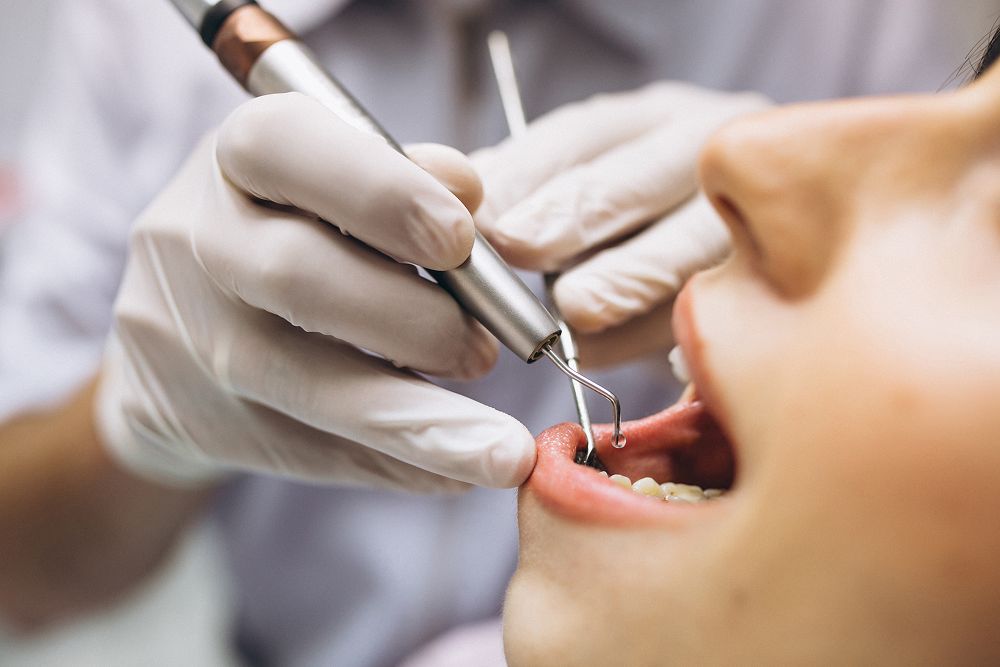
feels “high” after the numbness wears off, a quick adjustment resolves it—so keep the clinic’s contact details handy.
Pros and cons of going to Shenzhen for a filling
Pros:
- Shorter waiting times and flexible hours make scheduling easier.
- Modern facilities and contemporary materials are widely available.
- Bilingual or English-friendly clinics exist, especially in central areas.
- The trip can be combined with other errands or a short break if you enjoy Shenzhen’s dining and shopping.
Cons:
- Travel time and border unpredictability can add stress, especially if you’re on a tight schedule.
- Aftercare can be less convenient. If sensitivity persists or you need a minor adjustment, returning across the border is less practical than walking into a local clinic.
- Continuity of care becomes a consideration if follow-up X-rays or evaluations are needed later.
- Public holidays and peak hours can lengthen queues, making timing tricky.
How to choose a clinic and dentist
- Verify credentials and licensing, and look for clinics with detailed websites, clear explanations of procedures, and visible hygiene protocols.
- Read recent, specific patient reviews that mention fillings, communication, and aftercare responsiveness.
- Ask about the materials used, whether a rubber dam is standard for composite fillings, and how they manage deep cavities or borderline cases.
- Clarify whether X-rays are done in-house and how they handle records. Request copies of X-rays and treatment notes for your files.
- Confirm language support if you prefer English and ask about their process for post-visit questions or adjustments.
- Schedule with a buffer. Plan an additional 30–60 minutes in case of delays, and avoid booking tight back-to-back commitments after your appointment.
Who is a good candidate for cross-border fillings?
If your cavity is straightforward, you’re comfortable traveling, and you value flexible scheduling, Shenzhen can be a convenient option. It’s also a reasonable choice if you’re near a border crossing or frequently travel between cities. On the other hand, if you have tooth pain that might indicate a deeper issue, or if you suspect you’ll need multiple visits, managing everything locally in Hong Kong may be easier. Patients with dental anxiety might prefer the comfort of a familiar setting, particularly for longer or more complex procedures like root canals or onlays.
Practical tips to make the trip smooth
- Book a morning appointment to reduce the risk of cumulative delays and to allow time for a possible adjustment if needed.
- Bring a list of medications and any relevant dental history, especially if you’ve had recent X-rays or work done on the same tooth.
- Confirm anesthesia options and discuss sensitivity, so you know what to expect.
- Ask for a written treatment plan and aftercare instructions in your preferred language.
- Keep the clinic’s number and a messaging channel handy for quick follow-ups.
- If you might seek insurance reimbursement, request a detailed invoice and keep digital copies.
Bottom line: is it worth it?
For many Hong Kong residents, getting a tooth filling in Shenzhen can be worth the trip—particularly if you value flexible scheduling, modern facilities, and efficient service. The key is preparation: choose a reputable clinic, build in travel buffers, and think through aftercare. If continuity and convenience of follow-up are top priorities, staying local may still win. But with good planning, a Shenzhen filling can be a smooth, professional experience that fits neatly into a busy cross-border lifestyle.
















