









Tooth Removal in Hong Kong or Shenzhen? A Full Guide
If you’re weighing tooth removal in Hong Kong versus Shenzhen, you’re not alone. Many people living, working, or traveling in the Greater Bay Area compare both cities for dental care, especially for wisdom tooth extraction and emergency extractions. This guide breaks down what to expect, how the systems differ, and how to choose the option that fits your timeline, comfort, and aftercare needs.
When is tooth removal necessary?
Tooth extraction is typically recommended when:
- A tooth is severely decayed or cracked beyond repair
- A root canal isn’t feasible or has failed
- Gum disease has loosened teeth
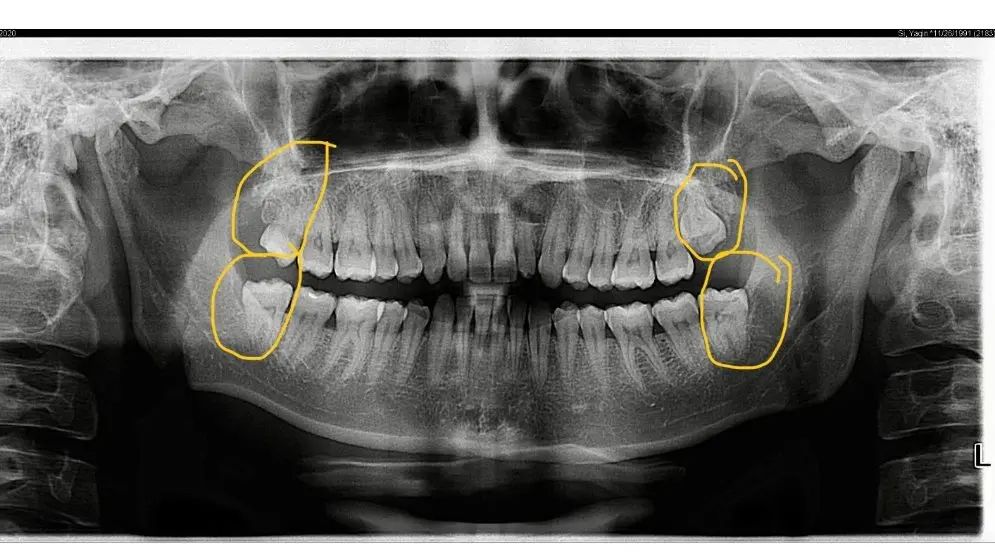
- Wisdom teeth are impacted, infected, or causing crowding
- Orthodontic treatment requires space
- Infection or abscess doesn’t respond to conservative care
A dentist will confirm with an exam and X-ray, and often a panoramic X-ray (OPG) for wisdom teeth.
What happens during an extraction?
Most extractions fall into two categories:
- Simple extraction: For a visible tooth, often done under local anesthesia. The dentist loosens the tooth and lifts it out.
- Surgical extraction: For impacted or broken teeth, especially wisdom teeth. This may involve a small incision, bone removal, or sectioning the tooth. Sutures may be placed.
Before the procedure, you’ll have a consultation, imaging, and a discussion of anesthesia options. Local anesthesia is standard; for anxious patients or complex cases, sedation options (such as oral sedation or IV sedation) may be available in selected clinics and hospitals. Expect to be in the chair from 20 minutes for a simple case to over an hour for complex extractions.
Tooth removal in Hong Kong: What to know
Hong Kong’s dental landscape features a mix of public and private providers. Key points include:
- Regulation and training: Dentists are regulated by the Dental Council of Hong Kong; dental care generally follows international standards with strong infection control protocols.
- Language and communication: English and Cantonese are widely used, which can make it easier for international patients to discuss options and consent.
- Access and appointments: Private clinics often offer flexible bookings and digital X-rays on-site. Public hospital dental services are limited and typically focus on emergencies and special cases.
- Sedation and hospital-based care: IV sedation and general anesthesia are accessible in selected specialist clinics and hospitals for complex wisdom teeth.
- Insurance: Many international plans are recognized in private clinics; check your policy for dental extraction coverage and required documentation.
Tooth removal in Shenzhen: What to know
Shenzhen’s rapid growth has brought modern dental facilities and experienced clinicians, especially in urban districts.
- Regulation and training: Dentists follow national standards; many private clinics emphasize technology (CBCT scans, digital records) and infection control.
- Language and communication: Mandarin is standard, but bilingual service is increasingly available in clinics catering to expats and cross-border patients. Call ahead to confirm.
- Access and appointments: Large hospitals offer oral surgery departments, while private clinics may provide faster appointments and streamlined imaging.
- Sedation options: Sedation may be available in selected hospitals and specialist clinics. Confirm availability if you’re anxious about the procedure.
- Payment and insurance: Direct billing varies. Some international plans may not be accepted directly; be prepared to claim reimbursement with the provided receipt and treatment notes.
Key differences and similarities
- Quality and safety: Both cities offer high-quality care in reputable clinics with strong sterilization standards. Choose clinics with clear infection control protocols, pre-procedure explanations, and written consent.
- Communication: Hong Kong typically offers broader En
glish support, while Shenzhen’s bilingual services vary by clinic.
- Appointment speed: Depending on your location and clinic, you may find faster slots in Shenzhen or Hong Kong private clinics. Call around to compare.
- Aftercare logistics: If you live on one side of the border, factor in travel time for follow-ups or unexpected issues like dry socket or prolonged bleeding.
- Records and referrals: Bring prior X-rays if available. Ask for digital copies of your post-op notes in case you need cross-border follow-up.
Cross-border considerations
- Travel timing: Avoid long cross-border trips immediately after surgical extraction. Swelling peaks at 48–72 hours, and you may prefer to rest nearby.
- Medications at the border: Keep medications in original packaging with prescription labels. Check current customs rules for carrying antibiotics or pain medication.
- Emergencies and follow-up: If you plan to return home right after the procedure, ensure you have a local dentist who can handle follow-up care, suture removal, or complications.
- Insurance coverage: Some plans limit cross-border claims. Confirm pre-authorization, documentation needs, and whether emergency cover differs from planned procedures.
Recovery and pain management tips
- First 24 hours: Bite gently on gauze to control bleeding. Avoid spitting, rinsing vigorously, or using straws—this can dislodge the blood clot and cause dry socket.
- Pain and swelling: Use cold compresses intermittently for the first day. Take prescribed pain medication as directed. Mild swelling and limited mouth opening are common after wisdom tooth removal.
- Diet: Start with soft, cool foods. Avoid hot, spicy, crunchy, or seedy foods that can irritate the site. Hydrate well.
- Oral hygiene: After 24 hours, gently rinse with warm salt water. Continue brushing, avoiding the surgical site.
- Activity: Rest and avoid strenuous exercise for a couple of days. Elevate your head when sleeping to reduce swelling.
- Watch for red flags: Persistent heavy bleeding, severe pain after day three, fever, foul taste, or pus warrant a prompt check-up.
How to choose between Hong Kong and Shenzhen
- Proximity and convenience: If follow-up is likely (e.g., surgical wisdom teeth), staying close to home is often best.
- Complexity: For heavily impacted wisdom teeth or medical complexities, look for an oral and maxillofacial surgeon with hospital privileges.
- Communication comfort: Choose a clinic where you can clearly discuss risks, anesthesia choices, and aftercare.
- Availability of sedation: If dental anxiety is high, confirm sedation options and monitoring standards.
- Clinic credentials: Check dentist qualifications, years of experience, and patient reviews. Ask about imaging, sterile protocols, and emergency plans.
- After-hours support: Ensure you have a contact number for post-op questions or urgent issues.
FAQs
Is wisdom tooth removal faster in one city? It depends on appointment availability at specific clinics. Call multiple providers to compare timelines.
Can I fly after an extraction? Short flights may be fine after simple extractions, but it’s best to wait 24–48 hours. For surgical extractions, consider delaying travel several days to manage swelling and follow-up.
Do I need antibiotics? Not always. Many extractions don’t require antibiotics unless there’s spreading infection or specific risk factors. Follow your dentist’s guidance.
Final takeaway
Both Hong Kong and Shenzhen can deliver safe, effective tooth removal, from simple extractions to complex wisdom teeth surgeries. Your best choice hinges on access to care, communication comfort, sedation needs, and how easily you can manage follow-up. Do a quick pre-check: confirm the dentist’s credentials, anesthesia options, aftercare plan, and how to reach the clinic if you need help. With the right preparation, you’ll have a smooth procedure and a steady recovery—whichever side of the border you choose.
















