









Necrosis Pulp: Causes, Risks & What to Expect – Full Details
If your dentist mentions “necrosis pulp,” they’re referring to a necrotic pulp—when the soft tissue (pulp) inside a tooth dies. That pulp contains nerves, blood vessels, and connective tissue. When it dies, the tooth loses its vitality, and infection often follows. While it can sound alarming, understanding what causes it, what risks it poses, and how it’s treated will help you make confident decisions and avoid complications.
What necrosis pulp means
Inside every tooth is a chamber and canal system that houses the pulp. When decay, trauma, or other stressors overwhelm the pulp’s ability to heal, blood supply diminishes, and the tissue breaks down. This “dead” pulp can become a breeding ground for bacteria, leading to pain, swelling, and abscess formation. Sometimes, necrotic pulp is silent—no pain at all—until an infection flares up.
Common causes
- Deep tooth decay: Untreated cavities that reach the pulp are the leading cause. Bacteria penetrate deep into the tooth and inflame, then destroy, pulp tissue.
- Dental trauma: A blow to the mouth, a fall, or a cracked tooth can sever blood supply to the pulp. Even if you feel fine initially, pulp necrosis can develop months later.
- Repeated dental work: Multiple or very deep restorations can stress the pulp, especially on molars and premolars.
- Cracks and fractures: Microscopic or visible cracks allow bacteria to infiltrate the pulp.
- Advanced gum disease: Severe periodontal issues can affect the root apex and indirectly compromise pulp health.
- Bruxism (teeth grinding): Chronic grinding can cause cumulative damage or cracks that eventually lead to pulp death.
Signs and symptoms
Necrotic pulp doesn’t always announce itself with dramatic pain. Watch for:
- Persistent or spontaneous toothache, especially at night
- Pain when biting or tapping the tooth
- Lingering sensitivity to heat (less commonly cold) or a complete lack of sensitivity
- Tooth discoloration (a gray or dark hue)
- Swelling of the gums or face, tenderness near the tooth
- A “pimple” on the gum (fistula) that may drain
- Bad taste or odor in the mouth
If you notice any of these, a prompt dental exam is essential. Swift care reduces the risk of more serious infection and can save the tooth.
Risks and complications
Leaving a necrotic pulp untreated can lead to:
- Dental abscess: A pocket of pus near the tooth root that can cause severe pain and swelling
- Bone loss around the tooth and potential loosening
- Spread of infection to surrounding tissues (cellulitis), jawbone, or the sinus in upper molars
- Systemic symptoms like fever and malaise in advanced cases
- Tooth fracture, since non-vital teeth can become brittle over time
- Compromised neighboring teeth and overall oral health
How dentists diagnose it
A dentist combines your history with clinical tests:
- Vitality testing: Cold, heat, or gentle electrical tests help determine whether the pulp is responsive.
- Percussion and palpation: Tapping the tooth and pressing the surrounding tissues reveal inflammation.
- Bite tests: Identify cracks or pain on chewing.
- X-rays (and sometimes CBCT scans): Show deep decay, bone changes, abscesses, or unusual anatomy.
- Periodontal evaluation: Rules out primary gum-related causes.
Treatment options and what to expect
The goal is to eliminate infection, relieve pain, and preserve or restore function.
1) Root canal therapy (endodontic treatment)
This is the standard of care for many teeth with necrotic pulp:
- Anesthesia and isolation: The area is numbed, and a rubber dam isolates the tooth to keep it dry and clean.
- Access and cleaning: T
he dentist creates a small opening to reach the canals, then uses instruments and disinfecting solutions to remove dead tissue and bacteria.
- Medication and temporary seal: In some cases, a medicated dressing is placed, and the tooth is sealed temporarily to allow further disinfection.
- Filling the canals: Once clean and dry, the canals are sealed with a biocompatible material to prevent reinfection.
- Final restoration: A crown is often recommended, especially for back teeth, to protect against fracture and restore function.
What it feels like: Modern techniques and anesthetics make root canals comfortable for most patients. Mild soreness for a day or two is common and usually managed with over-the-counter pain relievers unless your dentist advises otherwise.
2) Apicoectomy (surgical endodontics)
If infection persists at the root tip after a root canal or if anatomy complicates standard treatment, a minor surgical procedure may remove the infected tip and seal the canal from the root end.
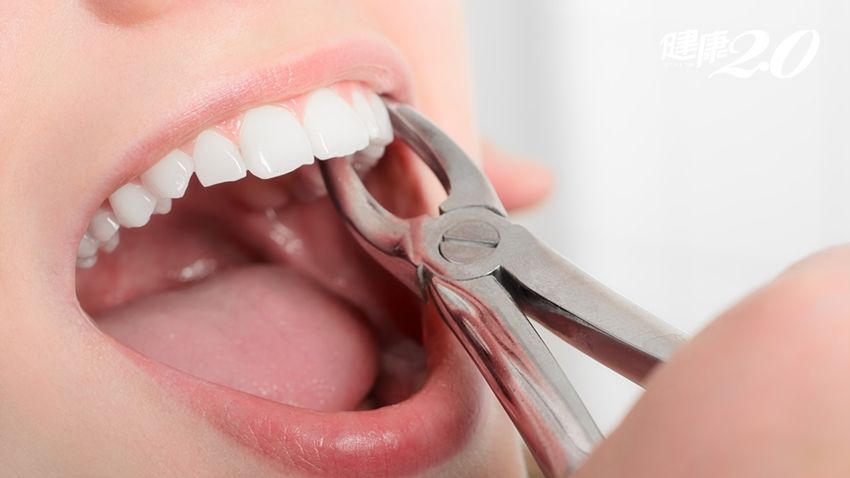
3) Tooth extraction
If the tooth is too damaged, cracked below the gumline, or cannot be predictably restored, removal may be the healthiest option. Your dentist will discuss replacement options like dental implants, bridges, or partial dentures to maintain chewing function and prevent shifting of adjacent teeth.
What about antibiotics?
Antibiotics may be used when there’s significant swelling, fever, or evidence of systemic spread, but they do not replace definitive dental treatment. They are an adjunct, not a cure, for necrotic pulp.
Recovery and aftercare
- Pain control: Expect mild to moderate tenderness for a short period. Follow your dentist’s instructions.
- Chewing: Avoid hard or sticky foods on the treated tooth until a permanent restoration is placed.
- Hygiene: Continue brushing twice daily and flossing, keeping the area clean without aggressive scrubbing.
- Follow-up: Attend all scheduled visits to complete treatment and place a final restoration. Skipping the crown on a back tooth increases fracture risk.
- Watch for warning signs: Increasing pain, swelling, fever, or a new bad taste warrants a call to your dentist.
Prevention: Keep your pulp healthy
- Consistent oral hygiene: Brush with fluoride toothpaste and floss daily.
- Regular checkups: Routine exams and X-rays catch problems before they reach the pulp.
- Mind your diet: Limit sugary snacks and drinks; rinse or brush after consuming them.
- Fluoride and sealants: These can strengthen enamel and protect deep grooves.
- Mouthguards: Use one for sports and consider a nightguard if you grind your teeth.
- Address cracks and chips promptly: Early repair can prevent bacterial invasion.
- Manage dry mouth: Hydration, saliva substitutes, or discussing medications with your healthcare provider can help.
FAQs: Quick answers
- Does a dead tooth always hurt? No. Necrotic teeth can be painless until infection flares.
- Can necrotic pulp heal on its own? No. Once the pulp is necrotic, definitive treatment is needed.
- Is a root canal painful? With current techniques, it’s usually no more uncomfortable than getting a filling.
- How urgent is treatment? The sooner the better. Early care prevents abscesses and makes treatment simpler.
Bottom line
Necrosis pulp signals a serious problem inside the tooth, but it’s manageable. With timely diagnosis, appropriate treatment like root canal therapy or extraction when needed, and a solid prevention plan, you can protect your oral health and avoid complications. If you suspect a problem—pain, discoloration, swelling, or a gum pimple—don’t wait. A quick visit can make all the difference between saving a tooth and losing it.
















