









Why Choose Pulp Treatment in Shenzhen? – Find Out More
If you’re dealing with persistent tooth pain, sensitivity to hot and cold, or swelling around a tooth, pulp treatment—often called root canal therapy—may be the solution you need. Shenzhen has quickly become a standout destination for high-quality dental care in China, thanks to its modern clinics, skilled endodontists, and streamlined patient experience. Whether you’re a local resident or an expat living in Futian, Nanshan, or Luohu, understanding why pulp treatment in Shenzhen is a smart choice can help you feel confident about taking the next step toward relief.
What Is Pulp Treatment, Exactly?
Inside every tooth, there’s a soft tissue known as the pulp. It contains nerves and blood vessels that keep the tooth alive. When the pulp becomes inflamed or infected—often due to deep cavities, cracks, repeated dental procedures, or trauma—pain can follow. Pulp treatment removes the infected tissue, cleans and shapes the root canals, and seals them to prevent future infection. The goal is simple: preserve your natural tooth and restore comfort and function.
Why Shenzhen Stands Out for Endodontic Care
- Advanced technology: Many dental clinics in Shenzhen use digital X-rays, cone-beam CT scans, and dental operating microscopes to pinpoint infection and treat it with precision. This technology helps minimize guesswork and improves outcomes.
- Skilled endodontists: You’ll find dentists who specialize in root canal therapy and retreatment, often with international training or certifications. Their experience can make complex cases—from curved canals to re-infected teeth—more predictable.
- Efficient, patient-centered care: The city’s clinics are known for minimizing wait times, offering flexible appointment slots, and coordinating restorative work—like crowns—soon after treatment.
- Bilingual support: For expats or travelers, English-speaking staff and clear communication about diagnosis, treatment options, and aftercare reduce stress and misunderstanding.
- Strong infection control standards: Modern sterilization protocols and single-use instruments are standard in reputable clinics, enhancing safety and peace of mind.
Who Might Need Pulp Treatment?
Common signs include lingering toothache, pain when chewing, prolonged sensitivity to temperature, discoloration of a tooth, swelling or tenderness in the gums, or a pimple-like bump near the tooth. Sometimes there’s little pain, but imaging reveals deep decay or a hidden crack. If you notice any of these symptoms, it’s wise to book an exam. Early diagnosis can save the tooth and prevent complications like abscesses.
What the Process Looks Like
1. Assessment and imaging: Your dentist will examine the tooth, take X-rays or a CBCT scan, and explain the findings. If endodontic therapy is indicated, they’ll outline the steps and expected timeline.
2. Anesthesia and comfort: Local anesthesia keeps you comfortable during the procedure. Many patients are surprised by how manageable modern root canal therapy feels compared to its reputation.
3. Cleaning and shaping: The dentist accesses the pulp chamber, removes the infected tissue, disinfects the canals, and shapes them for filling. Microscopes and ultrasonic instruments can improve accuracy.
4. Sealing the canals: A biocompatible material fills the cleaned canals to prevent reinfection. A temporary or permanent filling is placed to cl
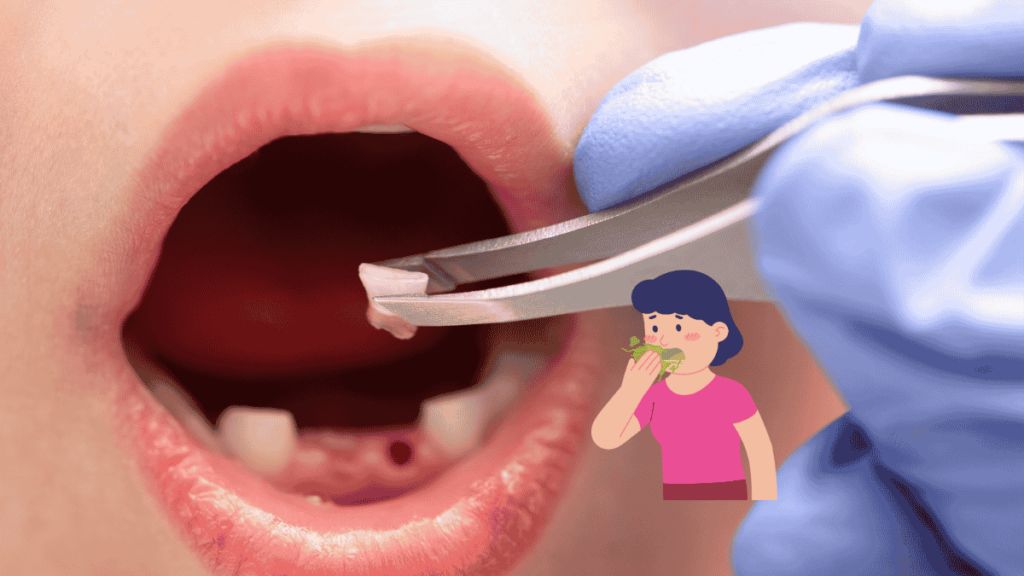
ose the access.
5. Final restoration: To protect the tooth and restore function, a crown is often recommended, particularly for molars that handle heavy chewing forces.
Benefits of Choosing Pulp Treatment Over Extraction
Preserving your natural tooth helps maintain chewing efficiency, jaw alignment, and the aesthetics of your smile. It can be more straightforward than replacing a tooth later with implants or bridges. With proper care, a tooth treated with root canal therapy can last many years.
Tips for Selecting the Right Dental Clinic in Shenzhen
- Check credentials: Look for endodontic specialists or dentists with extensive experience in root canal therapy.
- Ask about technology: Digital imaging, CBCT, and microscopes are good indicators of a modern approach.
- Discuss the plan: A clear treatment plan, from diagnosis to final restoration, helps you understand timing and expectations.
- Review sterilization practices: Strict infection control is non-negotiable.
- Read patient reviews: Consistent feedback about comfort, communication, and outcomes can guide your choice.
- Consider convenience: Proximity to your home or office in districts like Futian, Nanshan, Shekou, or Luohu may make follow-up visits easier.
Is Pulp Treatment Painful?
With modern anesthetics and refined techniques, most patients describe the procedure as comparable to getting a filling. If there’s significant infection, mild soreness afterward is common, but it typically responds well to over-the-counter pain relief and subsides within a few days. Shenzhen clinics often provide detailed aftercare instructions tailored to your case.
What About Recovery and Aftercare?
You’ll likely be advised to avoid chewing on the treated tooth until the permanent restoration is placed. Keep up with gentle brushing and flossing, and attend follow-up appointments to ensure healing is on track. If you experience swelling, pain that worsens, or a loose temporary filling, contact your clinic promptly. Consistent hygiene and regular checkups will help the tooth remain healthy long term.
Common Misconceptions—Debunked
- “Root canals always hurt.” In reality, they relieve pain caused by infection. Anesthesia and modern techniques make the process comfortable for most patients.
- “Extraction is easier.” Removing a tooth can lead to alignment issues and chewing problems. Saving the tooth often supports better oral health and function.
- “The tooth is dead after treatment.” While the pulp is removed, the tooth remains functional and can look and feel natural with a proper restoration.
When to Act
If you have persistent tooth pain, sensitivity, or swelling, don’t wait. Infections can spread and complicate treatment. Book a consult with a Shenzhen dental clinic that offers endodontic assessment. Early intervention often means a simpler procedure and a stronger long-term outcome.
The Bottom Line
Pulp treatment in Shenzhen combines advanced technology, experienced endodontists, and patient-friendly care to deliver reliable, comfortable results. If you’re seeking a solution for tooth pain or infection, choosing a reputable clinic here can help you preserve your natural teeth and restore confidence in your smile. From precise diagnostics to professional aftercare, Shenzhen’s dental community is well-equipped to guide you through every step of root canal therapy—so you can get back to life with less pain and more peace of mind.
















