









Tooth Extraction in Shenzhen: A Patients Honest Review
I never expected to write a review about getting a tooth pulled, but here we are. If you’re living in or visiting Shenzhen and facing the dreaded words “tooth extraction,” this honest, first-hand account should help you understand what to expect—before, during, and after. As a patient navigating the city’s healthcare system, I found the experience more streamlined and reassuring than I imagined, and I’m sharing the details I wish I’d known.
How I chose a clinic in Shenzhen
My tooth saga started with a persistent ache that wouldn’t quit. A quick search for “tooth extraction in Shenzhen” gave me options ranging from large hospital dental departments to private dental clinics. I prioritized a clinic that offered bilingual service, had an in-house X-ray machine (for panoramic or periapical imaging), and clearly outlined their sterilization protocols and aftercare support. Reviews helped, but I also checked qualifications—look for dentists who list their license and experience, and clinics that mention modern equipment and infection control standards.
Booking was surprisingly convenient. Many clinics handle scheduling via phone, website, or WeChat. I shared a short summary of my problem, sent over a photo of my health card and ID, and received a confirmed slot along with pre-visit reminders. If you’re covered by local insurance or a global policy, ask in advance about direct billing or claim documentation. It saves headaches later.
First impressions and the initial consult
On the day of the appointment, the clinic felt clean, bright, and organized. Check-in included a brief questionnaire (allergies, medications, medical conditions) and a consent form. Staff spoke Mandarin and English, which made explanations smooth. If you don’t speak Chinese, it’s worth asking for an English-speaking dentist or translator ahead of time.
The evaluation started with a panoramic X-ray. My dentist explained what we were looking at: a molar with a fractured root—unfortunate, but fixable via extraction. We reviewed the game plan, including anesthesia options, what the procedure involved, and potential risks like infection or dry socket. I appreciated how transparent and methodical the dentist was. He answered questions about recovery time, pain control, and eating after the procedure, and didn’t rush the conversation.
The extraction experience itself
If you’ve never had a tooth removed, the anticipation is the worst part. Once I settled into the chair, the dentist applied a topical gel to numb the gums before injecting local anesthesia. It wasn’t pleasant, but it wasn’t awful either—more pressure than pain. Within minutes, I felt only dull sensations, no sharpness.
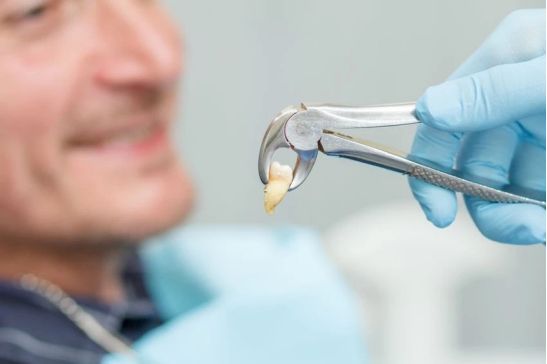
For a simple extraction (no impacted roots or surgical flap), you’ll mostly feel pressure and some tugging. In my case, the tooth needed a bit more persuasion, and the dentist used small elevators and forceps while a dental assistant handled suction. Everything looked meticulously sterile, with instruments opened chairside and protective barriers in place. The procedure took about 20 minutes from numbing to gauze placement.
If you have a complex case—like impacted wisdom teeth—your dentist might refer you to an oral surgeon or a larger hospital with surgical facilities. Some places offer conscious sedation, but that’s typically arranged in advance and often in hospital settings. For most routine extractions in Shenzhen, local anesthesia is the norm and perfectly adequate.
Pain management and aftercare in Shenzhen
Post-extraction, I bit down on gauze to control bleeding and
was instructed to keep it in place for about 30–60 minutes. The dentist went over aftercare, and I received bilingual written instructions via WeChat—super helpful. Highlights included:
- No rinsing, spitting, or using straws for the first 24 hours (to protect the blood clot)
- No smoking or alcohol
- Soft, cool foods for the first day or two; avoid hot soups and crunchy foods
- Ice packs on the cheek to control swelling (20 minutes on, 20 off)
- Gentle brushing, avoiding the extraction site on day one; warm saltwater rinses after 24 hours
I was given a prescription for pain control and, depending on the case, antibiotics may be recommended. Pharmacies are easy to find across Shenzhen, and most clinics will guide you to a nearby one if they don’t dispense on site.
Recovery: what felt normal and what didn’t
Day one was numbness transitioning to a manageable ache. I stuck to yogurt, mashed potatoes, and scrambled eggs. Day two brought some swelling and stiffness, but the pain was less sharp than I expected. By day three, I felt almost normal. The key is to respect the instructions—no vigorous rinsing, no poking the site with your tongue, and definitely no straws. If you experience severe pain after a few days, foul odor, or significant swelling, contact the clinic promptly—it could be dry socket or infection, both treatable if addressed quickly.
Follow-up and documentation
Shenzhen clinics tend to be tech-forward. My follow-up check was scheduled automatically, and the clinic checked in via message the next day. I received digital invoices and itemized statements for insurance claims, which made the admin part painless. If you need medical leave documentation, ask during the visit; many clinics can issue it.
What felt different compared to other places
- Efficiency: From X-ray to extraction, the process felt streamlined. Appointments started on time, and staff were coordinated.
- Communication: Bilingual explanations made a huge difference. Even clinical terms—like alveolus, suture, or socket—were clarified in plain language.
- Digital convenience: WeChat reminders, electronic consent forms, and digital aftercare made information easy to access.
- Safety and hygiene: Sterilization protocols were visible and thorough. It helped me relax.
Practical tips for getting a tooth extraction in Shenzhen
- Look for a clinic with on-site X-rays and clear sterilization standards.
- Ask about the dentist’s experience with your type of extraction, especially for wisdom tooth removal in Shenzhen.
- Confirm language support if you’re not fluent in Mandarin.
- Share your medical history, medication list, and allergies.
- Arrange your transport home if sedation is involved; with local anesthesia, you can usually head out on your own.
- Prepare soft foods ahead of time and plan a light schedule for the day.
- Keep your phone charged—aftercare instructions often arrive digitally.
Who this review is for
Whether you’re a longtime resident, an expat in Shenzhen, or a traveler who ran into dental trouble, getting a tooth extraction in the city can be a straightforward, professional experience. The combination of modern facilities, accessible dentists, and clear aftercare made my journey smoother than expected.
Final thoughts
I won’t pretend a tooth extraction is fun. But if you’re choosing a dentist in Shenzhen, know that the care can be competent, clean, and compassionate. Do your homework, ask questions, and follow the aftercare. My honest takeaway: I walked in nervous and walked out relieved—less because I lost a tooth, and more because I felt genuinely looked after from start to finish.
















