







Signs Root Canal: Warning Signs & What to Do Now – Find Out
Worried your tooth might need a root canal? You’re not alone. Root canal therapy is a common, tooth-saving treatment for a deep infection or inflammation inside the tooth’s pulp. The earlier you catch the warning signs, the easier it is to relieve pain, stop the infection from spreading, and keep your natural tooth. Here’s how to recognize the signs, what to do next, and what to expect if you need treatment.
What is a root canal, and why does it matter?
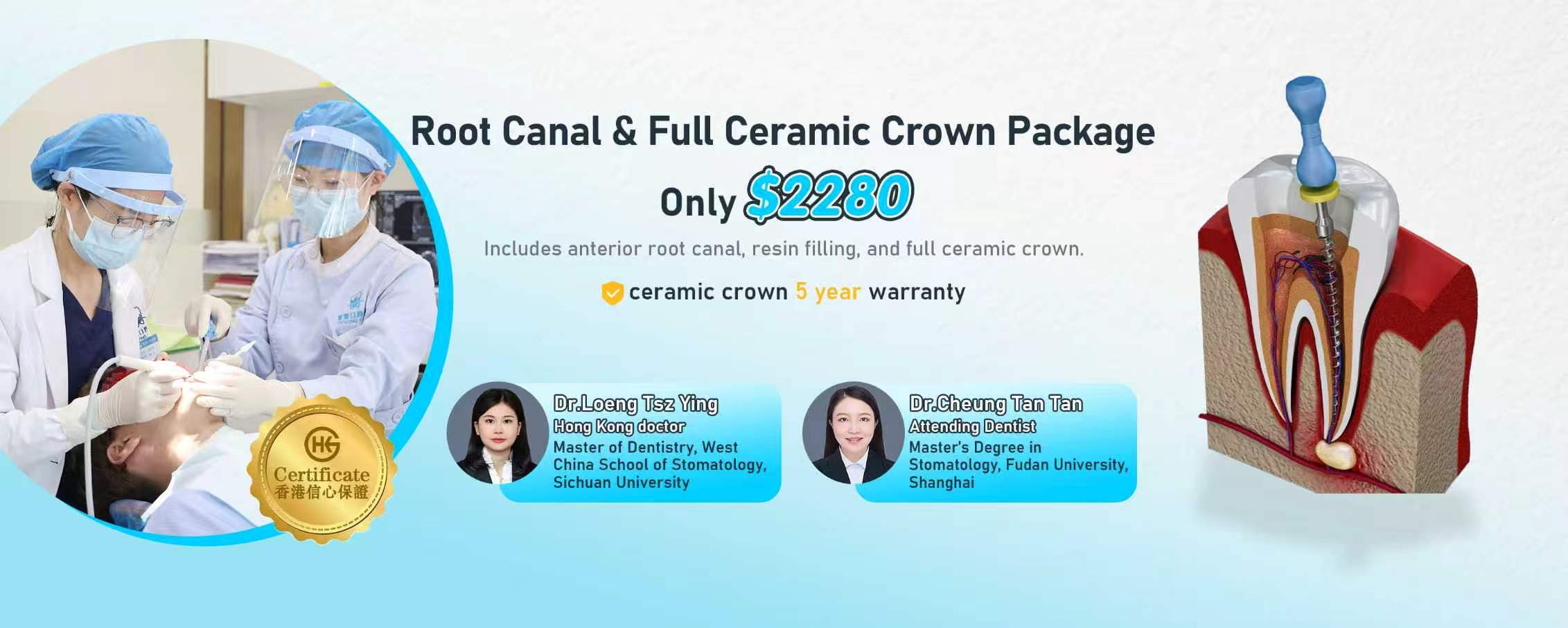
Inside every tooth is a soft center called the pulp, filled with nerves, blood vessels, and connective tissue. When bacteria reach this area—often through deep decay, cracks, or trauma—the pulp can become inflamed or infected. A root canal (endodontic therapy) removes the infected tissue, disinfects the canals, and seals the tooth to prevent reinfection. This allows you to save your tooth rather than remove it.
Common warning signs you may need a root canal
Not everyone experiences every symptom, and some people have no pain at all. But these are the most common red flags:
- Persistent toothache: A deep, throbbing pain that lingers or comes and goes, sometimes worsening when you lie down.
- Lingering sensitivity: Sharp or dull pain that continues for 10–30 seconds (or longer) after hot, cold, or sweet foods and drinks.
- Pain when chewing or touching the tooth: Discomfort or sharp pain when biting down or tapping the tooth.
- Swollen or tender gums: Puffiness, redness, or sensitivity around one tooth.
- A pimple on the gums: A recurring bump (fistula) that may drain fluid and cause a bad taste or odor.
- Darkening or grayish discoloration of the tooth: A sign the nerve may be damaged or dying.
- Facial or jaw swelling: Inflammation that can indicate an abscess (a pocket of pus).
- Loose tooth: Infection can weaken the supporting tissues.
- Cracked, chipped, or heavily restored tooth: A history of trauma or multiple dental procedures increases the risk of pulp problems.
- No symptoms, but changes on an X-ray: Sometimes infections are silent and only show on imaging.
When is it an emergency?
Seek urgent dental or medical care if you have:
- Rapidly increasing swelling in your face or jaw
- Fever, malaise, or swollen lymph nodes
- Difficulty swallowing, breathing, or opening your mouth
- Severe, unrelenting pain that doesn’t improve with over-the-counter pain relief
These can indicate a spreading infection that needs immediate attention.
What to do now if you notice warning signs
- Call your dentist promptly: The sooner you schedule an exam and X-ray, the better your chances of saving the tooth and avoiding complications.
- Manage discomfort safely: Over-the-counter pain relievers can help; follow label directions and ask your healthcare provider if you’re unsure what’s safe for you.
- Avoid chewing on the affected side: This reduces trauma and the risk of cracks.
- Keep the area clean: Brush gently and consider a warm saltwater rinse to soothe tissues.
- Use a cold compress: Apply to the outside of your cheek in short intervals to reduce swelling.
- Don’t apply aspirin directly to gums or tooth: This can burn tissues and won’t treat the infection.
- Don’t delay: Antibiotics alone generally won’t cure a tooth infection—the source needs to be treated, often with a root canal.
What
to expect during a root canal
- Consultation and diagnosis: Your dentist or endodontist will examine the tooth, take X-rays, and test for sensitivity or bite pain. They’ll discuss options and answer questions.
- Comfortable anesthesia: The area is numbed so you feel pressure but not sharp pain. Many people find the procedure comparable to getting a filling.
- Cleaning and shaping: The infected pulp is removed. The canals are disinfected and shaped to receive a filling material.
- Sealing the canals: The canals are filled and sealed to prevent bacteria from re-entering. A temporary filling may be placed.
- Final restoration: Most teeth need a crown after a root canal to restore strength and function. Your dentist will plan this with you.
- Recovery: Mild soreness for a day or two is common and usually managed with over-the-counter pain relievers. Follow your dentist’s instructions and avoid chewing hard foods until the final restoration is placed.
Alternatives to a root canal—and why saving the tooth matters
Extraction is the main alternative, but removing a tooth can lead to shifting teeth, bite problems, and bone loss over time. Replacement options include bridges, implants, or removable partial dentures. While these can be effective, they usually involve more steps and maintenance than preserving your natural tooth. When possible, a root canal with proper restoration helps maintain your bite, jawbone health, and natural appearance.
How to reduce your future risk
- Brush twice daily and floss once daily to limit decay-causing bacteria.
- Use a fluoride toothpaste and ask your dentist about additional fluoride if you’re cavity-prone.
- See your dentist regularly for exams and X-rays; early decay is easier and less costly to treat.
- Address cracked or chipped teeth promptly.
- Wear a mouthguard for contact sports and a nightguard if you grind your teeth.
- Avoid using your teeth to open packages or bite hard objects like ice.
- Manage dry mouth by staying hydrated and discussing solutions with your dentist or physician.
- Control systemic conditions (like diabetes) and consider quitting smoking, which can affect healing and gum health.
Root canal FAQs
Does a root canal hurt?
With modern anesthesia and techniques, most patients feel comfortable during the procedure. You may feel pressure or vibration, but sharp pain is not typical. Post-treatment tenderness usually resolves within a few days.
How long does the treatment take?
Many root canals are completed in one visit, though complex cases may need two visits. Your dentist will advise based on the tooth’s anatomy and infection.
Will antibiotics fix the infection?
Antibiotics can help control spreading infection and swelling, but they don’t remove bacteria inside the tooth. Definitive treatment (root canal or extraction) is usually needed.
My tooth stopped hurting—do I still need care?
Pain can fade if the nerve dies, but the infection can persist and damage bone. A lack of pain doesn’t always mean the tooth is healthy.
Bottom line
If you’re experiencing persistent tooth pain, lingering sensitivity, gum swelling, a pimple on the gums, or tooth discoloration, don’t wait. Early evaluation can save your tooth and protect your overall health. Contact your dentist or an endodontist to get a proper diagnosis and a personalized treatment plan.