









Tooth Bleeding Root: Causes, Risks & What to Expect
If you’ve noticed blood around the base of a tooth or it seems like the “root” of your tooth is bleeding, you’re not alone. People often describe any bleeding near the gumline as a “tooth bleeding root.” While it might look minor, bleeding at the tooth’s base is usually your body’s way of saying something needs attention. Understanding what causes it, what risks come with ignoring it, and what to expect at the dentist can help you act confidently and protect your oral health.
What does “tooth bleeding root” mean?
In everyday talk, tooth root bleeding typically refers to bleeding from the gum tissue around a tooth, especially near where the root is anchored. Sometimes it comes from gum inflammation. Other times, it’s linked to deeper issues like an infection at the root tip, a cracked tooth, or a deep cavity. The exact cause matters because it guides what treatment will help most.
Common causes
- Gum disease (gingivitis and periodontitis): The most common cause of bleeding at the tooth base is plaque buildup leading to inflamed gums. In early stages (gingivitis), gums look puffy, red, and bleed with brushing or flossing. Left to progress, it can become periodontitis, where infection affects the deeper tissues and bone that support roots. This can cause bleeding, gum recession, and even loose teeth.
- Plaque and tartar: Soft plaque hardens into tartar (calculus), especially along the gumline and below it. Tartar irritates the tissues and harbors bacteria, making bleeding more likely and harder to control without professional cleaning.
- Aggressive brushing or flossing: A hard-bristled brush or heavy-handed technique can traumatize gums. While good hygiene is essential, too much force can cause bleeding and recession over time.
- Cracked tooth or deep cavity: A crack running into the root or a deep cavity can irritate the surrounding tissues. If bacteria reach the nerve and the root tip area (periapical region), you might see bleeding, swelling, or a bad taste from draining infection.
- Gum recession and exposed roots: As gums recede, the roots become exposed. Roots don’t have protective enamel, so they’re more sensitive and more prone to inflammation around the margin, which can bleed with minor irritation.
- Dental abscess: An abscess at the root (periapical abscess) or in the gum (periodontal abscess) can cause bleeding, swelling, throbbing pain, and sometimes pus. This needs prompt dental care.
- Medications and health conditions: Blood thinners, certain antihypertensives, and chemotherapy can increase bleeding. Systemic conditions like diabetes reduce healing capacity, and nutrient deficiencies (especially vitamin C) can make gums fragile. Hormonal changes (pregnancy, puberty) can also heighten bleeding response.
- Smoking and dry mouth: Tobacco weakens immune response in gums. Dry mouth reduces the cleansing effect of saliva, increasing plaque and bleeding risk.
Why bleeding matters: risks of ignoring it
- Progression to periodontitis: What starts as mild gum bleeding can progress to deeper pocketing, bone loss, and tooth mobility. Untreated periodontitis is a leading cause of tooth loss in adults.
- Infection spread: A neglected abscess or chronic infection can erode bone, spread to adjacent teeth, or drain into the sinus (for upper teeth). In rare cases, oral infections can spread systemically, especially in people with compromised immunity.
- Pain and quality-of-life issues: Bad breath, persistent bleeding, and sensitivity can affect eating, speaking, and confidence.
- Links to overall health: Chronic gum inflammation has been associated with challenges in controlling blood sugar and other systemic issues. While correlation isn’t causation, controlling oral inflammation supports overall health.
What to expect at the dentist
A good evaluation is straightforward and usually comfortable:
- History and symptoms: Your dentist will ask when bleeding occurs, whether it’s spontaneous or only with brushing, and if there’s pain, swelling, foul taste, or sensitivity to hot/cold.
- Clinical exam: They’ll check for plaque and tartar, swollen or receded gums, pockets (measured with a gentle probe), tooth mobility, and signs of cracks or
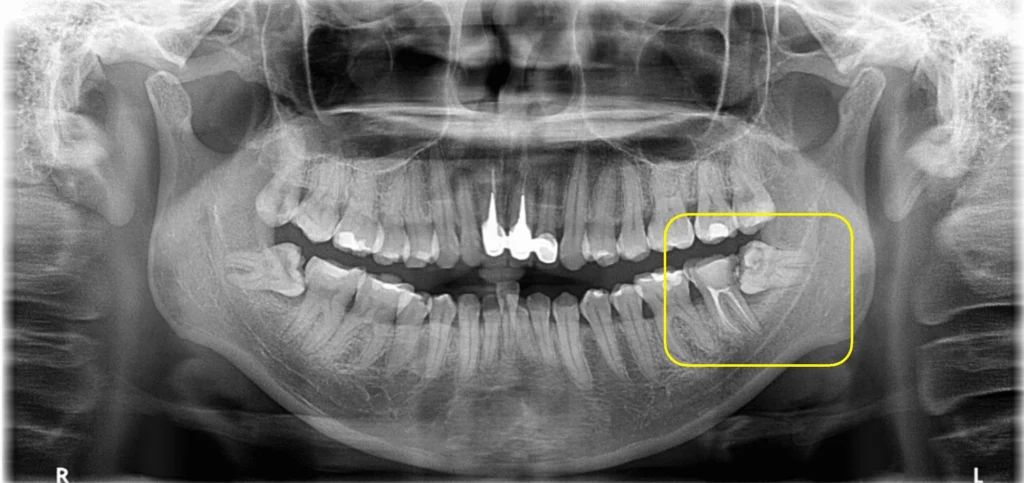
cavities. Gentle probing may cause bleeding in inflamed areas; this helps determine severity.
- Imaging and tests: Bitewing or periapical X-rays show bone levels, tartar below the gums, and infections at the root tip. Vitality tests (cold, electric) help assess the tooth’s nerve health.
- Diagnosis and plan: You’ll get a clear explanation of what’s causing the bleeding and a tailored plan. Dentists typically prioritize calming inflammation, removing irritants, and addressing any infections or structural issues.
Treatment options
- Immediate self-care at home: Until your appointment, use a soft-bristled brush, clean thoroughly but gently along the gumline, and rinse with warm saltwater once or twice a day. Avoid picking at bleeding areas, and skip alcohol or tobacco, which can worsen irritation.
- Professional cleaning: For plaque and tartar-driven bleeding, a professional cleaning removes buildup above the gumline. If deeper pockets are present, scaling and root planing (a deep cleaning) smooths root surfaces and reduces bacteria below the gums.
- Antimicrobial support: Your dentist may recommend antiseptic rinses or place localized antibiotics in deep pockets. These support healing but don’t replace mechanical cleaning.
- Treating decay or cracks: Cavities are restored with fillings; cracked teeth may need a crown to stabilize them. If the nerve is involved and infected, root canal therapy cleans and seals the inside of the tooth to resolve infection at the root tip.
- Managing abscesses: Abscesses may require drainage, antibiotics, and definitive treatment such as root canal or periodontal therapy. Severe cases might need minor surgery to clean infected areas.
- Periodontal surgery and grafting: In advanced gum recession or persistent deep pockets, surgical procedures can reduce pocket depth, reshape tissues, or graft gum tissue to cover exposed roots.
- Medical coordination: If medications or systemic conditions contribute to bleeding, your dentist may coordinate with your physician to adjust care safely.
Recovery and aftercare
Expect some tenderness or minor bleeding for a day or two after a deep cleaning or gum treatment. Follow the home-care instructions provided, which often include:
- Brushing twice daily with a soft brush and gentle, angled strokes along the gumline.
- Flossing or using interdental brushes once daily to disrupt plaque where brushes can’t reach.
- Using recommended rinses for a limited time.
- Avoiding smoking and irritating foods until tissues settle.
Most people notice that bleeding reduces significantly within one to two weeks of consistent care. Follow-up visits help track healing and adjust the plan if pockets persist.
Prevention: keeping roots and gums healthy
- Master your technique: Gentle, thorough brushing for two minutes, twice daily. Consider an electric toothbrush for consistency.
- Clean between teeth: Floss or use interdental brushes daily. Water flossers can help if you have bridges or tight spaces.
- Choose supportive products: Fluoride toothpaste and, when advised, an alcohol-free antiseptic rinse.
- Eat for your gums: A balanced diet with adequate vitamin C and hydration supports tissue health.
- Quit smoking: Tobacco cessation dramatically improves gum healing.
- Manage health conditions: Keep diabetes and other systemic conditions controlled.
- Stay on schedule: Regular checkups and cleanings catch issues early and remove tartar you can’t reach at home.
- Protect your teeth: If you clench or grind, a night guard can reduce trauma to teeth and gums.
When to seek urgent care
Reach out to a dentist promptly if you have heavy or persistent bleeding, facial swelling, fever, difficulty swallowing, severe pain, pus, or a tooth that feels suddenly loose. After trauma, especially if a tooth cracks or moves, immediate evaluation reduces complications.
Bottom line
Tooth root bleeding is a signal, not something to ignore. Most causes are manageable with timely, targeted care—often starting with improved home hygiene and professional cleaning. If the issue involves deeper infection or structural problems, today’s treatments are effective and predictable. The sooner you identify the cause, the easier it is to get back to a healthy, comfortable smile.
















