









Tooth Discoloration: Symptoms, Causes & Treatment – Find Out
If you’ve glanced in the mirror and noticed your smile looking a little less bright, you’re not alone. Tooth discoloration happens to nearly everyone over time. The good news: most stains are manageable, and understanding the “why” behind them makes treatment and prevention much easier. Here’s a clear, friendly guide to the symptoms, causes, and best treatments for stained or yellow teeth.
What tooth discoloration looks like
Discoloration isn’t one-size-fits-all. You might notice:
- A general yellowing or darkening across all teeth
- Brown or black lines near the gumline
- White, chalky spots that don’t brush away
- Grayish or bluish tones in a single tooth (often after trauma)
- Translucent edges where enamel has thinned
- Spots or bands of color on children’s teeth
Sometimes color changes come with other clues like sensitivity, buildup you can feel with your tongue, or persistent bad breath, which can hint at plaque and tartar.
Why teeth change color
Causes fall into three main categories: extrinsic (surface stains), intrinsic (within the tooth), and age-related.
Extrinsic stains (on the outside)
- Foods and drinks: Coffee, tea, red wine, cola, berries, curry, and soy sauce all carry pigments that cling to enamel.
- Tobacco: Smoking or chewing tobacco deeply stains teeth.
- Plaque and tartar: Sticky buildup traps pigments; hardened tartar can look yellow or brown.
- Mouthrinses and supplements: Long-term use of chlorhexidine rinse or iron supplements can discolor teeth.
Intrinsic discoloration (inside the tooth)
- Medications: Tetracycline or doxycycline exposure during tooth development can create gray or brown bands. Some antihistamines and antipsychotics may contribute to darkening.
- Fluorosis: Excess fluoride during childhood can cause white streaks or brown mottling.
- Trauma: A hit to a tooth can bleed inside the pulp, leading to a gray or dark color. Root canal–treated teeth can also look darker.
- Developmental conditions: Enamel or dentin defects (like amelogenesis imperfecta) change the tooth color and texture from the start.
Age-related changes
- Enamel thins with years of chewing and acid exposure, revealing more of the naturally yellow dentin underneath.
- Dentin itself thickens and darkens over time, creating a deeper hue even in well-cared-for teeth.
Risk factors that speed up staining
- Frequent sipping of staining drinks throughout the day
- Dry mouth (reduced saliva can’t wash pigments away)
- Infrequent professional cleanings
- Acidic diet or reflux, which softens enamel
- Smoking or vaping
How dentists diagnose discoloration
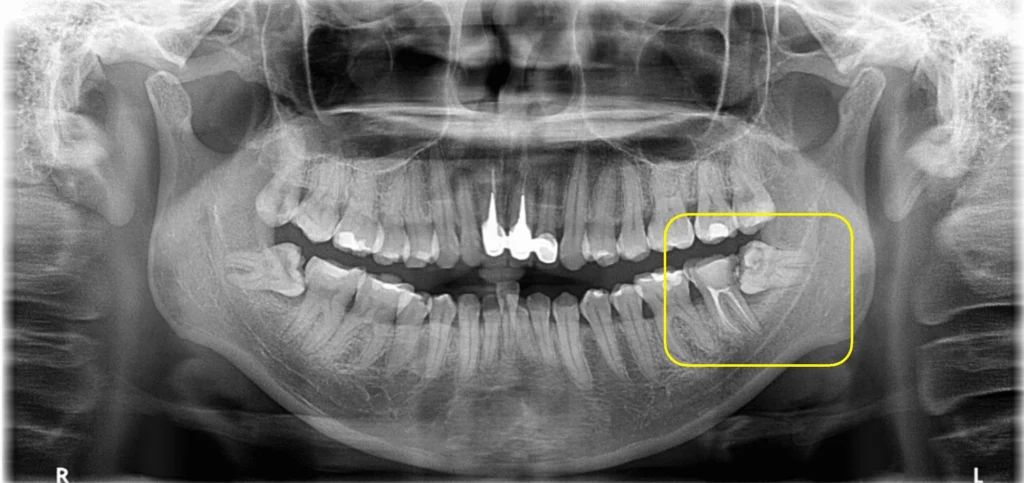
A dentist will ask about your habits (coffee, smoking), health history, and past dental work. They’ll examine stain patterns, compare shades, and may take X-rays to check for hidden decay or trauma-related changes. Photos and shade guides help track improvements after treatment.
Best treatments for tooth discoloration
There’s no single “right” fix; the best approach depends on the cause and the kind of stain.
For extrinsic stains
- Professional cleaning: Removes plaque and tartar so your natural enamel color shows. Often the first and most impactful step.
- Whitening (bleaching): Peroxide-based gels lift deeper pigments.
- In-office whitening: Fast, supervised, and powerful for uniform yellowing.
- Custom take-home trays: Controlled, gradual whitening with dentist guidance.
- Over-the-counter strips: Convenient, but typically milder and less customized.
- Whitening
toothpaste: Helps prevent new stains and can mildly polish existing ones. Best as a maintenance tool after professional care.
For intrinsic discoloration
- Internal bleaching: For a dark tooth after a root canal, a dentist can whiten from the inside.
- Microabrasion and resin infiltration: Smooths and blends certain white spots or superficial defects.
- Bonding: Tooth-colored resin masks dark patches or small defects in a single visit.
- Veneers or crowns: Porcelain covers are the most transformative option for severe or uneven intrinsic discoloration and for teeth that won’t respond to bleaching.
If decay or gum disease is present, that must be treated first. Healthy foundations make cosmetic improvements safer and longer-lasting.
Is whitening safe?
When used as directed under professional guidance, whitening is considered safe for enamel. Temporary sensitivity or gum irritation can occur, especially with higher-strength gels, but these usually subside. Using desensitizing toothpaste, spacing sessions, and choosing the right concentration help keep you comfortable.
A note on DIY “hacks”
- Baking soda: Mildly abrasive; occasional use may help with surface stain but can be harsh if overused.
- Activated charcoal: Abrasive and not proven superior to standard toothpaste; may roughen enamel over time.
- Acidic rinses (lemon, vinegar): Can erode enamel and worsen discoloration in the long run.
When in doubt, ask your dentist before trying home remedies.
Prevention that actually works
- Brush twice daily with a fluoride toothpaste and floss once a day.
- Rinse with water after coffee, tea, red wine, or soda; consider a straw for cold drinks.
- Limit frequent snacking and acidic beverages that soften enamel.
- Schedule professional cleanings and checkups regularly.
- Quit smoking or vaping; your smile (and overall health) will thank you.
- Manage dry mouth by staying hydrated, chewing sugar-free gum, or addressing medications that reduce saliva.
- Use whitening toothpaste or occasional touch-up trays to maintain results after professional whitening.
When to see a dentist soon
- A single tooth suddenly turns gray, brown, or pink after trauma
- Dark lines near the gumline that don’t brush off (could be tartar or decay)
- Patchy white or brown spots on a child’s teeth
- Discoloration accompanied by pain, swelling, or sensitivity to heat
- Stains that persist despite good brushing and routine cleanings
Quick answers to common questions
- Are yellow teeth unhealthy? Not necessarily. Color varies naturally. Health is more about absence of decay and gum disease. But new or uneven color changes deserve a check.
- How long does whitening last? Typically months to a couple of years, depending on habits. Touch-ups keep your shade stable.
- Will whitening work on crowns or fillings? No. Bleaching lightens natural enamel, not porcelain or composite. You may need to replace restorations to match a whiter shade.
- Do whitening toothpastes really work? They help prevent and reduce surface stains but won’t change the underlying tooth color like bleaching gels can.
- Can sensitive teeth be whitened? Yes, with a tailored plan, lower concentrations, shorter sessions, and desensitizing products.
The bottom line
Tooth discoloration is common, often fixable, and even more preventable. Identify the type of stain, start with a professional cleaning, and choose a treatment matched to the cause. With smart daily habits and periodic maintenance, you can keep your smile bright and confident for the long haul.
















