









Pulp Treatment in Shenzhen: A First-Timer’s Guide – Find Out
If a toothache has suddenly complicated your plans in Shenzhen, you’re not alone. Many residents and visitors face dental pain that requires pulp treatment and feel unsure about what it involves or where to go. This guide walks you through the essentials of getting pulp treatment in Shenzhen—what it is, how to choose a clinic, what the process feels like, and how to take care of your tooth afterward. Consider this your friendly, practical primer for a smooth first experience.
What pulp treatment actually is
Pulp treatment refers to procedures that address infection or inflammation of the tooth’s pulp—the soft tissue inside the tooth that contains nerves and blood vessels. The most common form is root canal therapy, where an endodontist or general dentist removes the diseased pulp, cleans and shapes the canals, disinfects the area, and seals the tooth. In some early cases, partial (or full) pulp therapy may preserve part of the pulp if it’s still healthy enough, but that depends on your diagnosis.
You might need pulp treatment if:
- You have persistent toothache that doesn’t go away after stimuli (like cold or sweet) are removed
- Pain wakes you at night
- You feel sharp pain when biting or lingering sensitivity to hot or cold
- There’s swelling in the gum near a tooth, or a pimple-like bump (a sinus tract)
- The tooth looks darker than neighboring teeth
- You’ve had a deep cavity, a cracked tooth, or trauma
Modern dental care in Shenzhen
Shenzhen’s dental landscape is diverse and modern. You’ll find clinics ranging from small neighborhood practices to large international-standard dental centers, especially in Futian, Nanshan, and Luohu. Many clinics offer digital X-rays, CBCT imaging when needed, rubber dam isolation for root canal procedures, and dental microscopes—tools that improve precision and outcomes.
Appointments can often be booked via phone, WeChat, or a clinic’s website. English-speaking staff are common in international clinics and many urban practices, but it’s still a good idea to confirm language support in advance. Payment typically includes WeChat Pay, Alipay, and bank cards. If you have dental insurance, ask the clinic what documentation is needed for claims.
How to choose a clinic or dentist
Picking the right clinic for pulp treatment in Shenzhen is about more than convenience. Consider:
- Qualifications: Look for licensed dentists; for complex cases, an endodontist (a specialist in pulp and root canal treatments) is ideal.
- Equipment: Digital radiographs, rubber dam use, and (when indicated) microscope-assisted treatment can enhance accuracy and comfort.
- Infection control: Clinics should follow strict sterilization protocols; don’t hesitate to ask about their standards.
- Reviews and referrals: Read recent reviews and ask colleagues or local friends for recommendations.
- Communication: Clear explanations in a language you understand are essential for informed consent and comfort.
- Availability: Ask how quickly you can be seen if you’re in pain, and whether they offer emergency slots or weekend hours.
What to expect during the process
Initial consultation: The dentist will review your symptoms, examine the tooth, and take X-rays. In some cases, a 3D CBCT scan may be recommended to evaluate complex anatomy or cracks. You’ll get a diagnosis and treatment plan that explains what’s happening and what each step entails.
Anesthesia and comfort: Local anesthesia numbs the area fully, so you should feel pressure but not sharp pain. If you’re anxious, ask about sedation options; some clinics offer mild sedation.
Procedure steps: For root canal therapy, your dentist isolates the tooth with a rubber dam to keep it dry and clean. Then they remove the inflamed or infected pulp, shape the canals with fine instruments, disinfect the area, and place a temporary or permanent filling inside the canals. Depending on infection severity and canal complexity, tr
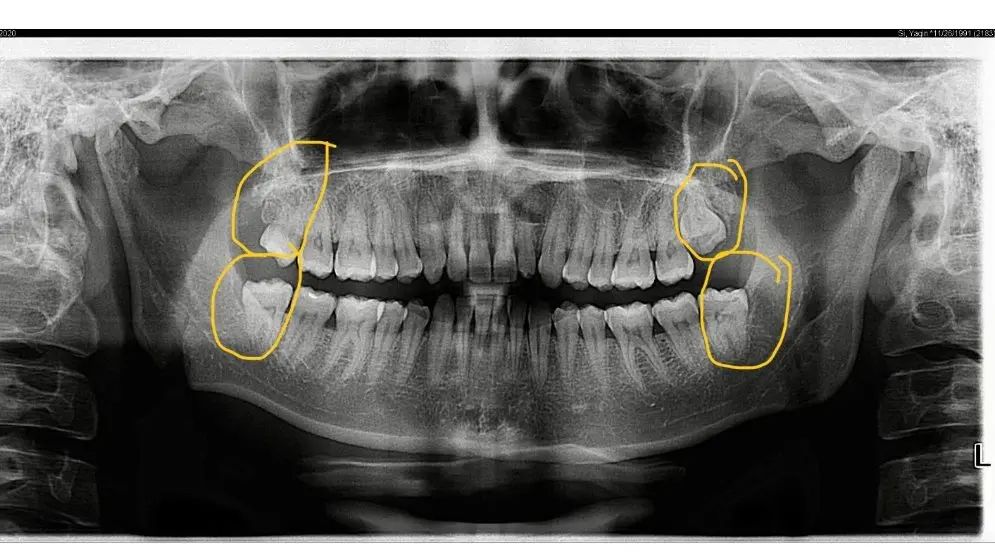
eatment can be done in one or two visits.
Temporary vs final restoration: After the canals are sealed, a temporary filling may be placed. Often, a crown is recommended to protect the tooth, especially for molars, which bear heavy chewing forces. Your dentist will discuss the best restoration and timing.
Timeline: Many straightforward cases are completed in one or two visits within one to two weeks. Complicated infections or retreatments might take longer.
Pain, recovery, and aftercare
It’s normal to have mild soreness for a few days after treatment, especially when biting or chewing. Over-the-counter pain relief is usually enough; your dentist may provide specific recommendations. To help recovery:
- Avoid chewing hard foods on the treated tooth until the final restoration is placed
- Keep up with oral hygiene; brush gently and floss as usual
- Attend all follow-up appointments to monitor healing
Red flags that merit a call to your dentist include severe swelling, persistent pain that worsens over time, fever, or a loose temporary filling.
Do you always need a crown?
After root canal therapy, teeth can become more brittle. Molars and premolars usually benefit from a crown or onlay to reduce the risk of fracture. Front teeth might be restored with a more conservative approach, depending on how much structure remains. Your dentist will tailor a plan based on the tooth’s location and condition.
Common myths and straight answers
- “Root canals are extremely painful.” With modern anesthesia and technique, most patients find the procedure manageable and far less painful than the toothache itself.
- “The tooth is dead and will fall out.” A properly treated and restored tooth can function for many years. It still needs care and regular check-ups.
- “Antibiotics can fix it.” Antibiotics alone won’t eliminate infection inside the tooth; mechanical cleaning and sealing are necessary.
- “I should wait and see if it gets better.” Dental infections rarely resolve on their own and can spread. Early care usually means simpler, more predictable treatment.
Local tips for first-timers in Shenzhen
- Districts: Futian and Nanshan have many clinics popular with expats and international patients; Luohu and Bao’an also have strong options. Proximity to metro lines can make visits easy.
- Language: If you’re concerned about communication, message the clinic in advance to confirm English support or bring a translation app.
- Documents: Bring identification (passport or Chinese ID) and any medical records or previous X-rays if you have them.
- Scheduling: Peak times are evenings and weekends. If you’re in acute pain, ask for urgent slots or same-day evaluation.
- Medical history: Inform the clinic about medications, allergies, pregnancy, or systemic conditions like diabetes or heart disease.
- Follow-up: Many clinics use WeChat for reminders and post-op check-ins, which makes aftercare convenient.
Prevention: keep future problems at bay
Once your tooth is treated and restored, maintain consistent oral hygiene to avoid new decay:
- Brush twice daily with fluoride toothpaste and floss once a day
- Limit frequent snacking and sugary drinks
- Wear a nightguard if you grind your teeth
- Schedule regular cleanings and check-ups, especially if you’ve had deep decay before
When to seek a specialist
If your tooth has complex root anatomy, a history of failed root canal, or a suspected crack, an endodontist may be recommended. Shenzhen has specialists who use advanced techniques and microscopes to handle difficult cases. Ask your dentist if a referral is appropriate.
The bottom line
Pulp treatment in Shenzhen is accessible, modern, and patient-centered when you choose a qualified clinic and follow a clear plan. If you’re experiencing tooth pain, don’t delay—an early evaluation can relieve discomfort, protect your tooth, and prevent complications. With the right guidance, your first pulp treatment can be a well-managed, even surprisingly routine experience.
















