









Swelling Near Tooth: Causes, Risks & What to Expect
Noticing swelling near a tooth can be alarming. Maybe your gum looks puffy, your cheek is tender, or there’s a throbbing pressure that didn’t exist yesterday. While some swelling can be mild and temporary, many cases signal an underlying dental problem that needs timely care. Understanding what causes tooth swelling, the risks of ignoring it, and what to expect at the dentist helps you act confidently and protect your oral and overall health.
Common Causes of Swelling Near a Tooth
Tooth and gum swelling can stem from many issues. The most common include:
- Dental abscess: A pocket of pus caused by a bacterial infection. It can originate from a tooth nerve (endodontic abscess) due to decay or a cracked tooth, or from the gums (periodontal abscess) due to gum disease. Abscesses often cause severe, throbbing pain, swelling, and sometimes a bad taste if they drain.
- Gum disease (gingivitis and periodontitis): Plaque and tartar buildup inflame the gums. In advanced stages, bacteria invade deeper tissues, causing swelling, bleeding, and sometimes a localized abscess.
- Erupting or impacted wisdom teeth: Partially erupted molars can trap food and bacteria under the gum flap, leading to pericoronitis—painful swelling and infection around the tooth.
- Tooth decay and cracked teeth: Deep cavities or fractures allow bacteria to reach the inner pulp, triggering infection and swelling.
- Food impaction: A kernel or stringy food wedged between teeth can irritate the gum, creating localized swelling and tenderness.
- Trauma or irritation: A sharp edge on a tooth, aggressive brushing, ill-fitting dental work, or orthodontic appliances can inflame the gum.
- Sinus infection: Upper tooth roots sit close to the sinus. Sinusitis can cause pressure and perceived tooth swelling or pain in the upper jaw.
- Cysts or other lesions (less common): Benign cysts or, rarely, tumors can cause localized swelling. These must be evaluated by a dentist.
Potential Risks if You Delay Treatment
Swelling around a tooth is your body’s alarm system. Ignoring it can lead to:
- Spread of infection: An untreated tooth infection can travel to the jaw, face, or neck (cellulitis), and in rare cases enter the bloodstream.
- Bone and tooth loss: Ongoing infection or advanced gum disease can destroy supporting bone, loosening or costing you teeth.
- Severe pain and abscess rupture: Pain often worsens without care. Spontaneous drainage can bring temporary relief but does not resolve the source.
- Systemic complications: Fever, malaise, and swollen lymph nodes can develop. Infections in the lower jaw region can, in rare cases, affect breathing or swallowing, requiring urgent care.
What Symptoms to Watch For
Beyond visible swelling, you might notice:
- Throbbing tooth pain or pressure, especially when chewing or lying down
- Red, tender, or bleeding gum around one tooth
- Bad breath or a bad taste in the mouth
- Sensitivity to hot, cold, or sweet foods
- Loose tooth or changes in bite
- Fever, fatigue, or swollen jaw/neck
- Difficulty opening the mouth, swallowing, or breathing (seek emergency care if this occurs)
What You Can Do Right Now
While you arrange a dental appointment, a few steps can help with comfort and reduce irritation:
- Rinse gently with warm saltwater: This can soothe the area and help flush debris.
- Use a cold compress on the cheek: Apply intermittently to reduce swelling and tenderness.
- Take over-the-counter pain relievers as directed: Avoid placing aspirin directly on the gum.
- Keep the area clean: Brush softly with a soft-bristled brush and use floss or a water flosser to remove trapped food.
- Avoid triggers: Skip very hot or cold foods, hard chewing on the affected side, alcohol, and smoking.
- Do not pop or squeeze: Trying to drain a suspected abscess at hom
e can worsen infection and delay proper treatment.
When to See a Dentist or Go to the ER
- See a dentist as soon as possible if swelling persists beyond a day, is painful, or recurs. Tooth infections and gum abscesses need professional care to resolve.
- Seek emergency care immediately if you have facial swelling spreading to the eye or neck, fever with chills, difficulty swallowing or breathing, drooling, or severe trismus (trouble opening your mouth). These are red flags for a rapidly spreading infection.
Diagnosis: What to Expect at the Dentist
A dentist will:
- Review your symptoms and health history: Onset, triggers, previous dental work, and any medications.
- Examine the area: Check for gum pockets, loose teeth, fractures, drainage, and oral hygiene.
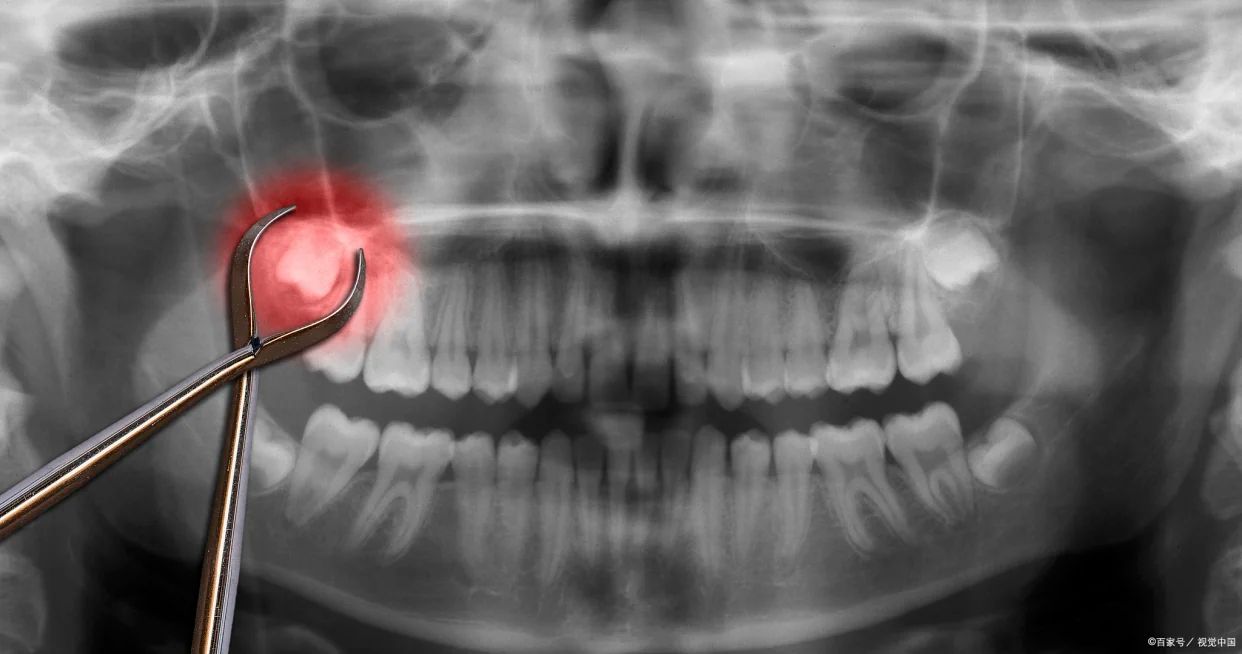
- Take dental X-rays: These reveal decay, bone loss, abscess formation, and root issues. In complex cases, additional imaging may be recommended.
- Perform tests: Gentle tapping on teeth, temperature tests, or probing gum pockets help pinpoint the problem.
Based on the findings, your dentist will explain the cause and a tailored treatment plan.
Treatment Options and Recovery
Treatment aims to eliminate infection, relieve pressure, and restore oral health:
- Drainage of abscess: For immediate relief, your dentist may drain the pocket of pus. This is often combined with further definitive treatment.
- Root canal therapy: If infection arises from the tooth’s pulp, a root canal cleans, disinfects, and seals the root canals, preserving the tooth.
- Periodontal therapy: Deep cleaning (scaling and root planing) addresses gum-related swelling, removing plaque and tartar beneath the gumline.
- Extraction: If a tooth is severely damaged or not restorable, removal may be the safest option.
- Wisdom tooth management: For pericoronitis or impacted wisdom teeth, options include cleaning and irrigation, removing the gum flap, or extracting the tooth.
- Antibiotics: Prescribed when there’s evidence of spreading infection, fever, or significant swelling. Antibiotics support but do not replace procedures like drainage or root canal, which remove the source.
Recovery timelines vary by cause and treatment:
- After drainage or deep cleaning: Swelling often improves within 24 to 72 hours, with continued healing over a week.
- After a root canal: Discomfort typically decreases within a few days; a final crown may be needed to protect the tooth.
- After extraction: Swelling peaks in 48 hours and resolves over a week; follow your post-op instructions to avoid complications.
Prevention: Lower Your Risk of Future Swelling
- Brush twice daily and clean between teeth: Floss or use interdental brushes to disrupt plaque where brushes can’t reach.
- Use fluoride toothpaste and consider mouthwash: These support enamel strength and gum health.
- Maintain regular dental checkups and cleanings: Early detection prevents small problems from becoming emergencies.
- Address cavities and cracked teeth promptly: Timely fillings, crowns, or other restorations prevent bacteria from reaching the pulp.
- Manage wisdom teeth proactively: If they are impacted or hard to keep clean, discuss preventive strategies with your dentist.
- Protect your teeth: Wear a mouthguard for sports and a nightguard if you grind your teeth.
- Supportive lifestyle: Limit sugary snacks and acidic drinks, stay hydrated, and avoid tobacco.
The Bottom Line
Swelling near a tooth isn’t something to watch and wait for long. It’s often a sign of infection or inflammation that benefits from prompt professional care. With timely diagnosis, effective treatment like drainage, root canal therapy, periodontal care, or extraction, and good home habits, most people experience quick relief and a smooth recovery. If you’re noticing swelling, call your dentist—acting early protects your smile and your overall health.
















