









Gum Care in Shenzhen: What to Check First – What to Expect
If your gums bleed when you brush, feel puffy, or your breath doesn’t stay fresh for long, you’re not alone. Gum health is a common concern in fast-paced cities like Shenzhen, where long hours, late-night snacks, and coffee or tea breaks can quietly chip away at oral hygiene habits. The good news: with the right checks and a clear idea of what to expect at the dentist, you can get your gum health back on track quickly and confidently.
What to check first at home
Before booking an appointment, do a quick self-assessment. Catching early signs turns potential problems into easy fixes.
- Bleeding gums: Bleeding during brushing or flossing is not “normal,” even if it’s light. It often signals inflammation (gingivitis).
- Swelling, redness, or tenderness: Healthy gums look coral pink and fit tightly around teeth.
- Bad breath or a bad taste: Persistent issues can point to bacteria buildup below the gumline.
- Gum recession or longer-looking teeth: Receding gums can expose roots and increase sensitivity.
- Sensitivity to hot, cold, or sweets: This can be linked to gum recession or exposed dentin.
- Loose teeth or shifting bite: Advanced gum disease can weaken the support around teeth.
- Tartar at the gumline: Hardened plaque is a haven for bacteria and cannot be removed at home.
Also consider risk factors common in urban life: smoking or vaping, high sugar snacks, frequent acidic drinks, stress, inconsistent flossing, diabetes, pregnancy, and certain medications that dry out your mouth.
Choosing a gum care provider in Shenzhen
Shenzhen has a wide range of dental clinics, from neighborhood practices to larger centers. Focus on these essentials:
- Credentials and specialization: Look for dentists with periodontal experience or an in-house periodontist for advanced cases.
- Diagnostic tools: Clinics should offer periodontal charting, digital X-rays, and intraoral photos to document gum status.
- Hygiene and safety: Clear sterilization protocols and packaged instruments are non-negotiable.
- Communication: If you’re more comfortable in English, confirm bilingual support for clearer explanations and instructions.
- Transparent treatment plans: Expect a step-by-step plan, including preventive and maintenance phases.
- Convenience: Consider locations near major hubs like Nanshan, Futian, Luohu, Bao’an, or Longhua, and check clinic hours that fit your schedule.
What to expect at your first appointment
Your initial visit will be part conversation, part assessment, and often a gentle cleaning if appropriate.
- Medical and dental history: Be ready to discuss health conditions, medications, smoking habits, grinding/clenching, and previous dental work.
- Gum examination: The dentist or hygienist will probe around your teeth to measure pocket depths and check for bleeding points. This is how they gauge inflammation and bone support.
- X-rays and photos: Bitewing or periapical X-rays reveal tartar below the gumline and any bone changes. Photos help you see what the dentist sees.
- Bite analysis: If you clench or grind—common in high-stress environments—your dentist may check for wear patterns and muscle tenderness.
- Diagnosis and plan: You’ll get a clear explanation of whether you’re dealing with gingivitis (reversible) or periodontitis (more advanced), and the steps to treat it.
The cleaning process, explained
Depending on your gum condition, you may receive one of the following:
- Routine cleaning (prophylaxis): Removes plaque and tartar above the gumline using ultrasonic and hand instruments, followed by polishing.
- Deep cleaning (scaling and root planing): If pockets and inflammation are present, the dentist cleans below the gumline to remove deposits and smooth root surfaces. Local
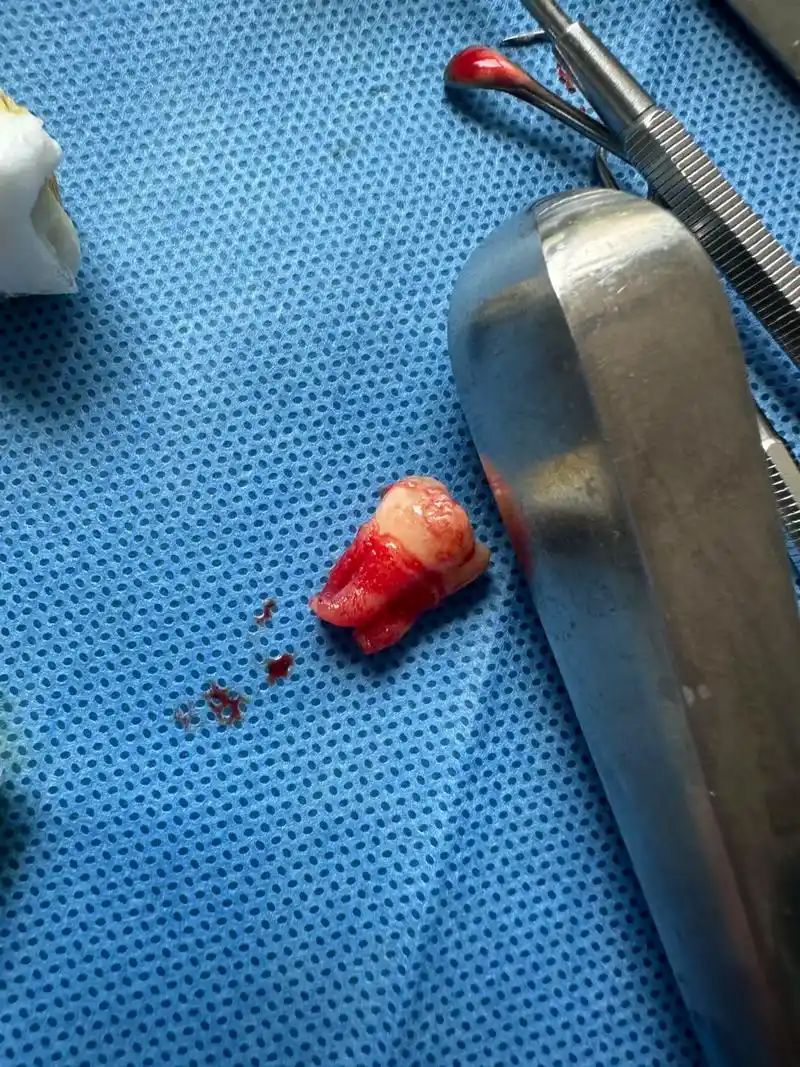
anesthesia may be used for comfort. This is often done in one or two sessions, depending on the extent.
Some clinics may use antimicrobial rinses or gels in pockets. If you have sensitive roots, desensitizing agents can be applied.
Advanced gum care options
If periodontitis is moderate or severe, your dentist may discuss additional options:
- Locally applied antibiotics: Targeted antimicrobial therapy can aid healing after deep cleaning.
- Laser-assisted therapy: In selected cases, lasers help decontaminate pockets and promote tissue response.
- Surgical interventions: For persistent deep pockets, flap surgery, bone reshaping, or gum grafting may be recommended to restore a healthier gum architecture.
- Bite adjustment and night guards: Managing clenching/grinding reduces excess stress on teeth and gums.
What recovery feels like
Mild soreness or temporary sensitivity after cleaning is common and usually fades within a few days. Follow your dentist’s home-care directions, including warm saltwater rinses or a short course of recommended mouth rinse if prescribed. If you were given anesthesia, avoid biting your cheeks while numb.
Home care habits that make the biggest difference
Daily habits determine long-term gum health. Small changes bring significant results:
- Brush twice daily with a soft-bristled or electric toothbrush. Angle at 45 degrees to the gumline and use gentle, short strokes.
- Clean between teeth daily. Floss or use interdental brushes; water flossers help if you have bridges or tight contacts.
- Consider a fluoride toothpaste for sensitivity if roots are exposed.
- Use mouthwash thoughtfully. Alcohol-free options are gentler; chlorhexidine may be recommended short-term for inflammation.
- Mind your diet. Cut frequent sugary or sticky snacks, chase acidic drinks with water, and aim for balanced nutrition, including vitamin C and calcium.
- Stay hydrated, especially in hot months. Dry mouth increases decay and gum risks.
- Quit smoking or vaping. It masks bleeding and slows healing.
- Manage stress and sleep. Your gums benefit when your body does.
- Keep regular maintenance visits. Your dentist may recommend cleanings every 3–6 months based on your risk level.
Shenzhen-specific tips
- Commute-friendly care: Clinics near major metro lines lower the friction of follow-ups—important for multi-visit treatments.
- Language and documentation: If you need English explanations, ask for written care plans and post-visit summaries. Request a detailed invoice for your records.
- Consistency matters: Even if you travel frequently between districts or abroad, try to stick with one clinic for continuity of periodontal charts and X-ray comparisons.
Questions to ask your dentist
- What stage of gum disease do I have, and how severe is it?
- What are my pocket depths and bleeding points, and how will we track improvement?
- Do I need deep cleaning, and how many sessions will it take?
- Will I need adjunctive therapies, like local antibiotics or a night guard?
- How often should I return for maintenance?
- Which home-care tools do you recommend for my specific mouth?
Red flags to watch for
- No periodontal charting or X-rays despite signs of disease.
- Vague treatment plans without measurable goals.
- Poor sterilization transparency.
- Pressure to rush into advanced procedures without trying evidence-based basics first.
Your next step
If you’ve noticed bleeding or tenderness, don’t wait. Gum issues rarely improve on their own, but they respond well to timely, professional care. In Shenzhen, high-quality gum care is accessible, and with a clear understanding of what to check first and what to expect, you can walk into your appointment with confidence—and walk out on a path to healthier gums, fresher breath, and a stronger smile.
















