









Why Choose Root Canal in Shenzhen? – A Dentist Answers
If you’re weighing whether to have a root canal in Shenzhen, you’re not alone. As a practicing dentist here, I hear this question often from locals and expats alike. Root canals have a reputation, but today’s treatment is far more comfortable and predictable than most people expect. Shenzhen, with its advanced healthcare infrastructure and international community, is a strong choice for saving a troubled tooth. Here’s what you should know, answered simply and directly.
Why consider a root canal at all?
A root canal, or endodontic treatment, is the best way to save a tooth that has deep decay, a crack, or an infection in the pulp (the tooth’s nerve and blood supply). Instead of removing the tooth, we remove bacteria and damaged tissue from inside, disinfect the canals, and seal them to prevent reinfection. The benefits are practical and long-lasting: you keep your natural tooth, maintain your bite, and avoid the bone loss that often follows extraction. Most patients return to normal eating and speaking quickly, and with proper restoration—often a crown—the tooth can last for many years.
Why Shenzhen is a smart place for root canals
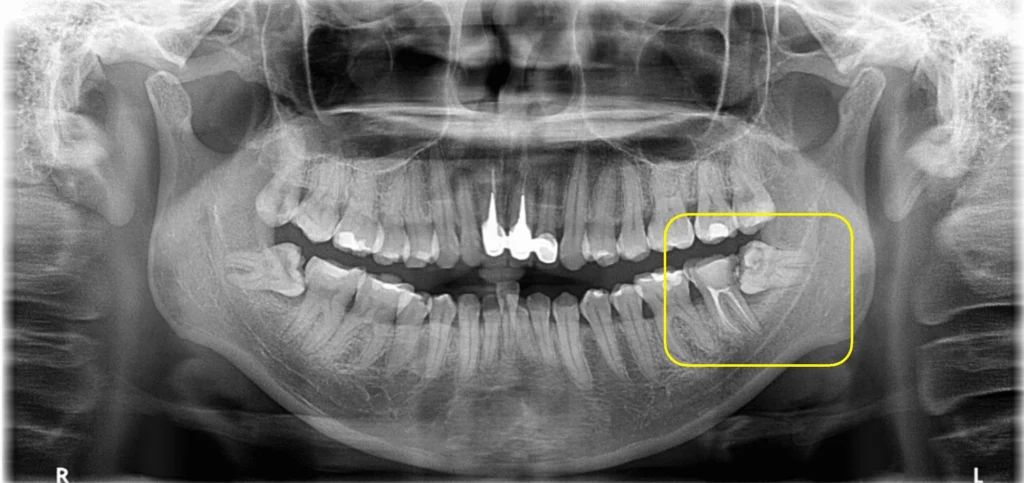
Shenzhen is known for embracing technology, and dentistry is no exception. Many clinics use dental operating microscopes for precise canal work, digital X-rays and CBCT imaging for detailed diagnosis, and rubber dam isolation to keep the field sterile and dry. You’ll also find modern sterilization protocols, single-use instruments where appropriate, and anesthesia techniques that prioritize comfort and safety.
Because Shenzhen serves a diverse population, you’re likely to find bilingual teams who can explain procedures clearly in English and Chinese. Appointment availability is generally good, and the city’s transport network makes it easy to schedule treatment around work and travel. Some clinics also offer coordinated care with specialists, making referrals smooth if your case is complex.
Does a root canal hurt?
This is the biggest concern for most patients. The short answer: with proper anesthesia and technique, a root canal should feel comparable to getting a filling. You may notice pressure or vibration, but not sharp pain. If your tooth is acutely inflamed, we take extra steps to ensure numbness, and there are options for anxious patients, including mild sedation. After treatment, it’s normal to have some tenderness for a few days; over-the-counter pain relief usually manages it well.
How to know you might need one
Common signs include:
- Lingering sensitivity to hot or cold
- Pain when biting or chewing
- Spontaneous throbbing pain
- Swelling or a pimple-like bump on the gum
- Darkening of the tooth
- A deep cavity or a cracked/chipped tooth
However, not every symptom is obvious. Sometimes an infection is only visible on an X-ray. That’s why a professional exam is essential before deciding on any treatment.
What to expect during the procedure
A typical root canal in Shenzhen follows a clear, stepwise process:
- Diagnosis and planning: We take a history, perform tests, and capture X-rays or CBCT images if needed. We discuss your options, risks, and expected outcomes.
- Anesthesia and isolation: The tooth is fully numbed. A rubber dam is placed to keep saliva out and protect your airway.
- Access and cleaning: Using precision instruments, we open a small path to the pulp, locate the canals (often under a microscope), and remove infected tissue. We shape and disinfect the canals thoroughly.
- Medication and filling: In some cases, medication is placed and the tooth is sealed with a temporary filling while we monitor h
ealing. In others, we can fill the canals and place a temporary restoration in the same visit.
- Restoration: Once the infection is cleared and the tooth feels stable, a permanent restoration is placed. For back teeth, a crown is usually recommended to prevent fractures; for some front teeth, a well-bonded filling may be sufficient.
Timelines vary. Simple cases can be completed in one or two appointments. Complex canals or infections may need an additional visit.
Success rates and aftercare
Modern root canals have a high success rate when combined with proper restoration and routine checkups. After treatment:
- Avoid chewing hard foods on the tooth until it’s permanently restored.
- Follow your dentist’s instructions for medication and hygiene.
- Plan for a crown if recommended—this significantly reduces the risk of future cracks.
- Schedule follow-up X-rays to confirm healing, especially if an infection was present.
If symptoms persist or recur, endodontic retreatment or minor surgical procedures can address persistent issues. Your dentist will guide you based on your specific case.
Choosing the right clinic in Shenzhen
Look for a clinic that:
- Uses a dental microscope or magnification for endodontics
- Employs rubber dam isolation for every root canal
- Demonstrates strong sterilization and infection control standards
- Provides clear imaging and explanations before treatment
- Offers transparent treatment plans with expected timelines and outcomes
- Has experience with complex canals and retreatments
- Communicates comfortably in your preferred language
- Is available for questions and follow-up care
Ask about the materials and techniques used, and confirm whether the dentist performing the root canal has specialized training in endodontics.
Considerations for expats and travelers
If you’re traveling frequently between Shenzhen and nearby cities like Hong Kong or Guangzhou, plan your appointments with that timeline in mind. Many clinics can coordinate schedules to complete treatment efficiently. Bring your dental records if you’ve seen a dentist elsewhere. For insurance, check ahead of time whether your plan is accepted and what documentation is needed for claims; clinics accustomed to serving expats can often provide itemized reports and imaging.
Common myths to forget
- “Extraction is always simpler.” Removing a tooth can lead to shifting, bite problems, and the need for implants or bridges later. Preserving your natural tooth is often the most conservative long-term choice.
- “Root canals cause illness.” This myth is outdated. Modern endodontics is evidence-based and safe, with strict sterilization and scientifically validated techniques.
- “Once it’s root-canalled, I don’t need a crown.” Molars and premolars are at higher risk of fracture after treatment. A crown is usually essential to protect your investment.
Preventing future problems
Strong home care and regular checkups go a long way. Brush twice daily with fluoride toothpaste, floss or use interdental brushes, limit frequent sugary snacks, and address clenching or grinding with a night guard if needed. Treat cavities early, and don’t ignore chips or sensitivity—small problems are easier and less invasive to fix.
The bottom line
Choosing a root canal in Shenzhen means access to modern technology, experienced clinicians, and patient-centered care in a convenient, international city. If you’re dealing with tooth pain or a diagnosis that’s left you uncertain, seek a thorough evaluation. The sooner you act, the simpler the solution usually is—and saving your natural tooth is often the best path for comfort, function, and long-term oral health.
















