









My gums are turning black? – What to Know Before You Decide
Noticing your gums look darker—or even black—can be alarming. Before you panic or jump into cosmetic fixes, it helps to understand what gum discoloration actually means. In many cases, darker gums are harmless and related to natural pigmentation. In others, they can signal a dental issue that needs attention. This guide breaks down the common causes, red flags, and what to expect if you seek treatment, so you can make a calm, informed decision.
Is it normal for gums to look dark?
For many people, yes. Gum color varies, just like skin tone. If you have more melanin (the pigment that gives color to skin and hair), your gums may naturally appear brown, dark brown, or even patchy. This is common in people of African, Asian, Middle Eastern, and Latin American descent, and it’s usually symmetrical and present from a young age. Melanin pigmentation is harmless and doesn’t affect gum health.
Common reasons gums look black or darker
- Natural melanin pigmentation: Even, symmetrical brown or black patches or a diffuse tint. Painless and stable over time.
- Smoker’s melanosis: Nicotine stimulates melanin in gum tissue, causing brown or black patches, especially on the front gums. Quitting may gradually lighten the color.
- Amalgam tattoo: A tiny blue-gray to black spot near a filling, crown, or previously treated tooth. It’s a harmless piece of dental material embedded in the gum.
- Recent dental work or trauma: Bruising or a blood blister can make an area look dark for a few days after a cleaning, injection, or bite injury.
- Stain buildup: Tartar (calculus) or stain at the gumline can look dark, especially between teeth. A professional cleaning can remove it.
- Medications: Certain drugs, like minocycline (an antibiotic), some antimalarials, and antipsychotics, may cause oral pigmentation over time.
- Hormonal changes: Pregnancy or birth control shifts can deepen pigmentation in some individuals.
Less common but important causes to consider
- Gum disease and tissue necrosis: Severe infections (for example, acute necrotizing ulcerative gingivitis) can create gray-black patches with pain, bleeding, and foul breath. This needs urgent care.
- Oral melanoma: Rare but serious. A new, irregular dark patch that changes shape or color, or bleeds, should be evaluated promptly.
- Systemic conditions: Endocrine disorders like Addison’s disease can cause diffuse darkening in the mouth alongside other symptoms (fatigue, weight loss, low blood pressure).
Quick self-check: What are you seeing?
Ask yourself a few questions to frame what’s happening.
- Is the color change new or longstanding? Longstanding, symmetrical, and painless often points to natural pigmentation.
- Is it symmetrical or in one spot? One isolated, blue-black spot near a filling suggests an amalgam tattoo. A new, irregular patch warrants evaluation.
- Any pain, swelling, bleeding, or bad breath? These red flags point to inflammation or infection rather than harmless pigmentation.
- Any recent dental work, injuries, or new medications? That context matters and can temporarily alter gum color.
- Does the discoloration wipe off? If a dark film comes off with brushing or a dental cleaning, staining is the likely culprit.
When to see a dentist right away
- You notice a new dark patch that changes shape, darkens rapidly, or bleeds easily.
- You have pain, swelling, an ulcer, a foul taste or odor, or fever.
- There’s a line of dark color at the gumline plus tenderness or pus (possible gum infection).
- You have a sore that doesn’t heal within two weeks.
- You’re unsure whether it’s normal pigmentation versus something else.
What your dentist may do
A dental professional will visually examine your gums, review your medical and dental history, and pinpoint the likely cause. Depending on findings, they may:
- Recommend a professional cleaning to remove plaque, tartar, and surface stains.
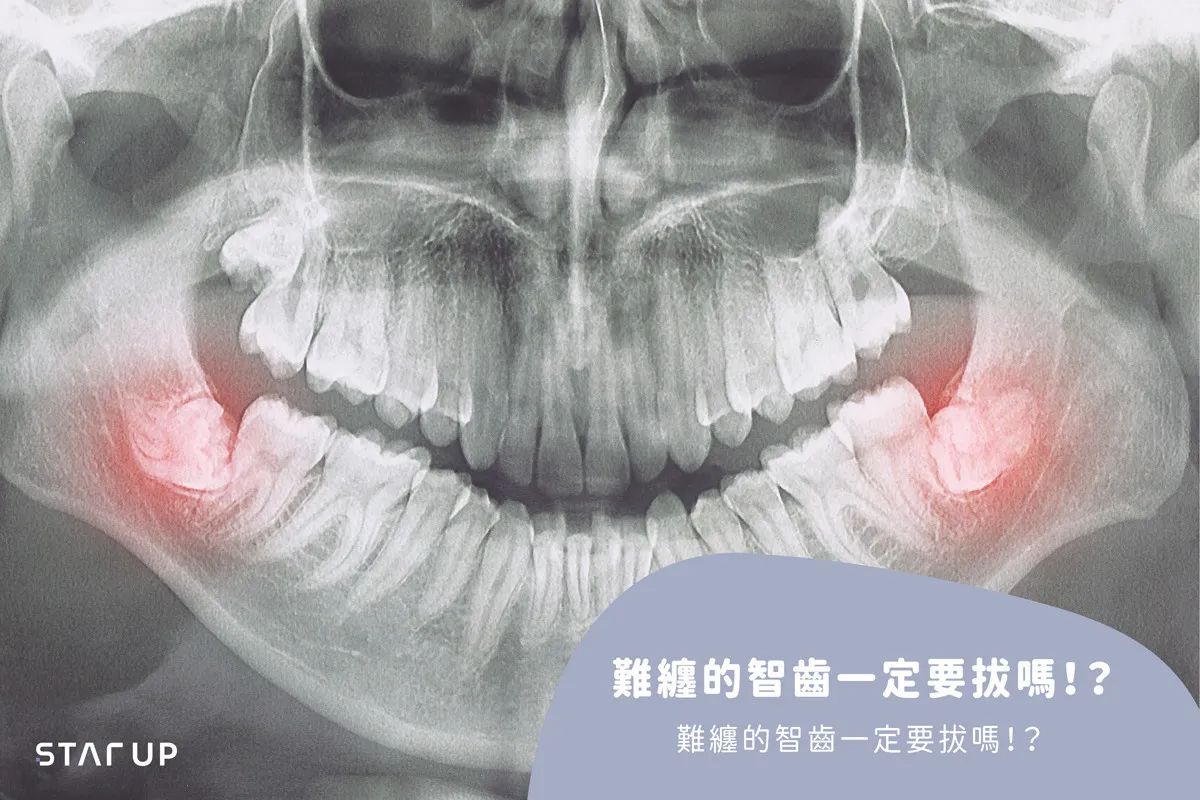
- Take a small X-ray if an amalgam tattoo or underlying tooth issue is suspected.
- Suggest a short observation period to see if the area changes or resolves.
- For ambiguous or suspicious lesions, perform a painless biopsy to confirm a diagnosis and rule out malignancy.
- Refer you to a periodontist or oral medicine specialist if advanced care is needed.
Considering cosmetic treatment for dark gums
If your gums are healthy but you’re concerned about the look of dark pigmentation, cosmetic options exist. These don’t treat disease; they’re about aesthetics. Common approaches include:
- Laser depigmentation: A laser removes the top pigmented layer of gum tissue. Healing is usually quick, and results can be noticeable. Some pigmentation can recur over time, especially if you smoke.
- Surgical scraping (gingival abrasion): The top layer is gently removed with a surgical instrument. It’s effective but may have more post-op tenderness than laser.
- Cryotherapy or chemical peels: Less common, used selectively.
What to know before deciding:
- Candidacy: Best for healthy gums with benign melanin pigmentation. Not for active gum disease or suspicious lesions.
- Expectations: Results can be dramatic, but no method guarantees permanence. Darkening can recur, particularly with smoking or hormonal shifts.
- Recovery: Mild soreness and temporary lightening that stabilizes in a few weeks are typical. Good oral hygiene supports healing.
- Risks: Temporary sensitivity, uneven color, or recurrence. Choose a provider experienced in soft-tissue procedures.
At-home habits that support healthy-looking gums
- Brush twice daily with a soft brush and fluoride toothpaste. Use gentle pressure to avoid gum recession, which can create dark “triangles” between teeth.
- Floss or use interdental cleaners daily to reduce inflammation that can alter gum appearance.
- Rinse with an alcohol-free mouthwash if recommended by your dentist.
- Avoid tobacco in all forms. Beyond discoloration, it increases the risk of gum disease and slows healing.
- Eat a balanced diet and stay hydrated. Nutrient deficiencies and dry mouth can worsen plaque buildup and pigmentation appearance.
- Keep regular dental checkups (typically every six months) for cleanings and professional monitoring.
Myths to ignore
- “Black gums always mean disease.” Not true. Natural pigmentation is common and benign.
- “Whitening toothpaste will lighten gums.” Toothpaste can lift surface stains on teeth, not change gum pigment.
- “Brushing harder will scrub dark color away.” Overbrushing harms gums and can make aesthetics worse.
The bottom line
Dark or black gums can be completely normal, especially if the color is symmetrical, longstanding, and painless. However, new, changing, painful, or irregular dark areas deserve a prompt professional look. If your gums are healthy and you’re considering cosmetic depigmentation, discuss goals, options, and expectations with a qualified dentist or periodontist. With the right information and evaluation, you can decide confidently—whether that means watchful reassurance, a quick cleaning, medical treatment, or a carefully chosen cosmetic enhancement.
















