









Dental Implants in Shenzhen: The Complete Walkthrough
Thinking about getting dental implants in Shenzhen? You’re not alone. As one of China’s most innovative cities, Shenzhen has become a go-to destination for advanced, patient-centered implant dentistry. From digital planning to comfortable treatment rooms and bilingual care, the city blends top-tier technology with practical convenience. Here’s a complete, no-nonsense walkthrough to help you plan confidently.
Who is a good candidate for dental implants
Dental implants are designed to replace missing teeth with a solution that looks and functions like the real thing. You may be a candidate if:
- You have one or more missing teeth and healthy gums
- Your jawbone is fully grown and has sufficient volume (or can be augmented)
- You don’t smoke, or you’re willing to pause while healing
- You maintain good oral hygiene and attend regular check-ups
Even if you’ve been told you have bone loss, Shenzhen clinics often offer bone grafting or sinus lifts to rebuild support for an implant.
How to choose a Shenzhen clinic
Quality care starts with the right team and tools. When comparing Shenzhen dental implant clinics, consider:
- Credentials and experience: Look for licensed implant dentists or oral surgeons with evidence of continuing education and a strong case portfolio.
- Digital tech: Clinics that use CBCT 3D scans, intraoral scanners, and guided surgery typically offer more precise planning and smoother procedures.
- Materials and lab: Ask about implant brands, abutment materials (titanium or zirconia), and whether they partner with certified dental labs for custom crowns.
- Hygiene and safety: Confirm strict sterilization protocols and transparent infection control.
- Communication: Bilingual staff and clear treatment plans help avoid misunderstandings. Request written reports and aftercare instructions.
- Comfort options: Local anesthesia is standard; some clinics offer conscious sedation if you’re anxious.
- Follow-up support: Implants need maintenance. Ensure the clinic provides regular check-ups, professional cleanings, and a realistic aftercare schedule.
The step-by-step implant process
1) Consultation and assessment
You’ll discuss goals, medical history, and any medications. A clinical exam, photos, and a CBCT scan assess bone quality, nerve locations, and sinus anatomy. Your dentist may recommend a periodontal cleaning or treat any cavities before implant surgery to ensure a healthy foundation.
2) Digital planning
Using the 3D scan, the team maps the exact implant position and angulation. A surgical guide may be designed to place the implant with high precision. You’ll review timeline options, from immediate temporaries to delayed loading, depending on bone stability.
3) Surgery
Under local anesthesia, the dentist places a small titanium post in the bone. If necessary, minor bone grafting can be done in the same visit. Many patients are surprised by how straightforward the procedure feels; pressure is common, sharp pain is not.
4) Healing and osseointegration
Over the next few months, your bone fuses to the implant. During this period, you may wear a temporary tooth that avoids pressure on the implant. Good hygiene and gentle chewing help ensure steady healing.
5) Abutment and crown
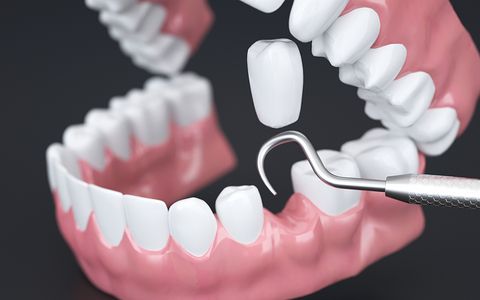
Once the implant is stable, an abutment is attached and a custom crown is fabricated to match your bite and shade. Digital impressions often make this step faster and more comfortable.
6) Maintenance
Expect check-ups and professional cleanings to protect your investment. Implants don’t get cavities, but the surrounding gums and bone need care to prevent inflammation.
Typical timeline at a glance
- Visit 1: Exam, CBCT scan, treatment planning
- Visit 2: Implant placement (and grafting if needed)
- Heali
ng: Several months for osseointegration
- Final phase: Abutment and crown, plus bite adjustments
Note: Some candidates qualify for immediate placement or immediate temporaries. Your dentist will confirm if this is appropriate for your case.
What to expect on surgery day
- Eat a light meal unless instructed otherwise.
- Wear comfortable clothing and arrange transport if sedation is planned.
- The procedure usually takes one to two hours for a single implant.
- Mild swelling or soreness afterward is normal and manageable with over-the-counter pain relief recommended by your dentist.
- You’ll receive written aftercare instructions before you leave.
Aftercare tips for a smooth recovery
- Keep it clean: Use a soft toothbrush and follow your dentist’s cleaning protocol. Antimicrobial rinses may be recommended initially.
- Eat smart: Start with soft foods (yogurt, eggs, soups, steamed veggies). Avoid very hot, crunchy, or sticky foods early on.
- Pause smoking and alcohol: Both can slow healing.
- Manage swelling: Use cold compresses intermittently for the first day.
- Take meds as directed: If antibiotics or anti-inflammatories are prescribed, follow the schedule.
- Don’t poke at the site: Let the tissues rest and avoid tongue pressure or finger checks.
- Attend follow-ups: Your dentist will monitor healing and make adjustments as needed.
Risks and how to minimize them
Complications are uncommon but can include infection, delayed healing, gum inflammation around the implant, or bite imbalance. Choosing an experienced implant dentist, committing to excellent home care, and keeping regular check-ups significantly reduce risks. If you clench or grind, a night guard may be recommended to protect your implant and natural teeth.
Why Shenzhen stands out
- Tech-first approach: Many clinics invest in CBCT, guided surgery, and CAD/CAM for precise results and shorter chair time.
- International-friendly care: In business hubs like Futian, Nanshan, and Shekou, you’ll often find bilingual teams and flexible scheduling.
- Efficient travel links: Shenzhen’s metro is extensive, and districts near border ports offer easy access for cross-border patients.
Practical travel notes
- Documents: Bring ID, medical history, medication list, and any previous dental X-rays or scans.
- Medications: Keep prescriptions in original packaging for border checks.
- Scheduling: If traveling in and out, plan buffer days around surgery and follow-ups. Avoid high-intensity travel or sports right after placement.
- Communication: Confirm clinic WhatsApp/WeChat contacts for quick updates and post-op questions.
Frequently asked questions
- Single tooth or multiple? Implants can replace a single tooth, several teeth with individual implants, or support bridges for larger gaps.
- What if I have bone loss? Bone grafting or sinus lifts can rebuild volume; your CBCT scan guides the plan.
- Metal allergies? Most implants are medical-grade titanium; zirconia options exist for specific cases—ask your dentist.
- Will it look natural? With digital shade matching and custom abutments, modern crowns blend seamlessly with your smile.
Long-term success: your maintenance checklist
- Brush twice daily and clean between teeth/around the implant with floss or interdental brushes.
- Schedule professional cleanings and exams at recommended intervals.
- Address gum irritation early; bleeding or bad breath near an implant is a signal to call your dentist.
- Protect your bite: Use a night guard if advised and avoid cracking hard objects with your teeth.
The bottom line
Dental implants in Shenzhen combine precision planning, modern materials, and patient-friendly workflows. With the right clinic and a clear plan, you can restore your smile comfortably and confidently—then keep it healthy for the long run.
















