









Tooth Filling in Shenzhen: Worth the Trip from HK?
If you live in Hong Kong and suddenly feel that telltale zing in a tooth, the idea of crossing the border for a filling might come to mind. Shenzhen has become a popular spot for dental care thanks to modern clinics, fast appointments, and a reputation for efficient service. But is it worth the trip for a tooth filling? The short answer: it can be, especially for straightforward cavities, as long as you plan smartly and pick the right clinic.
Why Shenzhen is on Hong Kong’s radar
Shenzhen’s healthcare scene has grown fast, and dentistry is no exception. Many clinics advertise advanced equipment, comfortable environments, and flexible hours, including evenings and weekends. For busy Hong Kong residents, the ability to schedule a same-day consultation and filling can be a big plus. Some clinics also cater to cross-border patients with bilingual staff and digital appointment systems, making the process more seamless.
Quality and materials: what to expect
For most cavities, dentists today use composite resin fillings—those tooth-colored materials that blend in nicely. In Shenzhen, you’ll find clinics using modern composites, bonding systems, and isolation techniques like rubber dams to keep the tooth dry and clean during placement. Digital X-rays and intraoral scanners are increasingly common, which help with accurate diagnosis and conservative treatment.
If your cavity is larger, a dentist may suggest an inlay or onlay, which is a lab-made restoration that fits into the tooth more precisely. Amalgam (the silver-colored filling) is less frequently used nowadays, but ask your dentist about options and why they recommend one material over another. The key is transparency and a clear explanation of the benefits and trade-offs.
Infection control and safety
Any time you consider care outside your home system, safety is top of mind. Look for clinics that clearly explain their sterilization protocols, use sealed instruments, and open new disposables in front of you. Ask about single-use items (like suction tips and gloves), how they disinfect operatories between patients, and whether they adhere to international guidelines on infection control. Don’t be shy—reputable clinics welcome questions.
The treatment journey, step by step
A typical tooth filling visit should include:
- Consultation and exam: Your dentist checks your tooth visually and with X-rays if needed.
- Treatment plan: You’ll get a clear outline of what the filling involves, how long it will take, and alternatives if any.
- Anesthesia: Local anesthesia is standard for comfort; you should feel pressure, not pain.
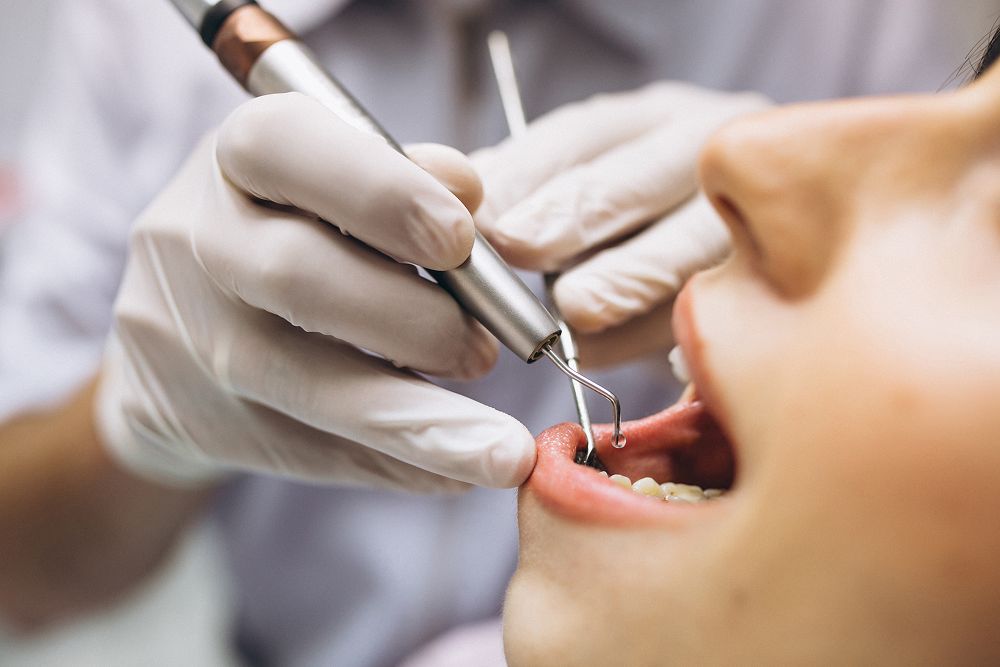
- Preparation and filling: The dentist removes decay, cleans the cavity, places the filling in layers, and cures it with a light.
- Finishing and bite check: The filling is shaped and polished, and your bite is adjusted so it feels natural.
- Aftercare: Expect mild sensitivity to temperature for a few days. Avoid hard chewing on that side initially, and follow the dentist’s care tips.
If your dentist suspects the decay is deep or near the nerve, they’ll discuss the possibility of further treatment like a root canal. If that’s on the table, consider whether you’re willing to travel back for follow-up visits.
Cross-
border logistics: timing and travel
From central Hong Kong, many patients opt for MTR connections to border checkpoints like Lo Wu, Lok Ma Chau/Futian, or Shenzhen Bay via bus. With good planning, a day trip is manageable. Consider:
- Peak hour travel times at immigration.
- Booking your appointment near a convenient station in Shenzhen.
- Padding your schedule for unexpected delays.
- Bringing proper identification and permits for Mainland entry.
Try to avoid scheduling complex dental visits too late in the day; you’ll want time to fix small issues like a high bite before you head back.
Language and communication
Plenty of Shenzhen dentists speak Mandarin and English, and some can communicate in Cantonese. If language is a concern, choose clinics that advertise multilingual staff or have English-language websites. Clear communication matters for consent, understanding risks and benefits, and aftercare instructions.
Insurance and receipts
Hong Kong insurance may have specific rules for care received outside the city. If you plan to claim, ask the clinic to issue detailed receipts and treatment descriptions. Some clinics can provide official invoices on request. Even if you’re paying out of pocket, documentation is useful if you need follow-up in HK.
Pros and cons at a glance
Pros:
- Faster appointments and flexible hours.
- Modern equipment and materials.
- Potentially more options for scheduling around your workday.
- A straightforward filling can often be handled in one visit.
Cons:
- Travel time and border logistics.
- Follow-up may require another trip.
- Differences in regulatory environments and warranty policies.
- If complications arise, continuity of care across the border can be tricky.
How to choose the right clinic
- Credentials and experience: Look for licensed dentists with clear bios and experience in restorative dentistry.
- Reviews and word-of-mouth: Check recent, detailed reviews, focusing on communication, cleanliness, and aftercare.
- Transparent treatment plans: A good clinic explains options, shows you X-rays, and discusses pros and cons.
- Sterilization and safety: Confirm protocols and look for visible hygiene standards.
- Aftercare policy: Understand what happens if you have post-op sensitivity or a chipped filling—can you message the clinic, and how quickly can they see you?
When staying in Hong Kong might be better
If you suspect a severe issue—persistent night pain, swelling, or a cracked tooth that might need a crown or root canal—it could be wise to consult locally first. Children requiring special behavioral management, patients needing sedation, or those with significant medical conditions may also benefit from continuity with a home dentist. In true emergencies, seek immediate care without crossing borders.
Making it worth the trip
For many Hong Kong residents, getting a tooth filling in Shenzhen can be a smart, efficient choice—especially for simple cavities and if you value quick access. The key is preparation: pick a reputable clinic, confirm your appointment and documentation, allow enough time, and ensure you receive clear instructions and receipts. With a bit of planning, you can handle that cavity and be back in Hong Kong the same day, with a tooth that feels and looks as good as new.
















