









Dentist? Your Options in Hong Kong and Shenzhen – Learn More
Looking for a dentist in Hong Kong or Shenzhen? Whether you live cross‑border, commute for work, or are comparing clinics for a specific treatment, you’ll find plenty of reputable options on both sides of the boundary. This guide walks you through how dental care works in each city, what to expect from clinics, and how to choose the right dentist for your needs—without hype, confusion, or surprises.
Dental care in Hong Kong: what to know
Hong Kong’s dental scene is well‑established, with a mix of private clinics, hospital-based services, and specialist practices. Most residents use private dental clinics for routine care such as check‑ups, cleanings, fillings, crowns, root canals, and cosmetic dentistry. Orthodontics (braces and clear aligners), dental implants, periodontics (gum care), and oral surgery are widely available.
Key points:
- Regulation and standards: Dentists are licensed by the Dental Council of Hong Kong. Clinics typically follow strict sterilization protocols and infection control standards.
- Language: English and Cantonese are commonly used; many clinics also offer Mandarin. International clinics often provide multilingual support and detailed treatment plans.
- Public vs private: Public dental services are limited primarily to emergency care and specific programs, so routine care is usually in the private sector.
- Booking and access: Appointments can be booked via phone or online. Popular clinics may have waiting lists for specialist care, so advance planning helps.
- Insurance: Many clinics accept international and local dental insurance, though direct billing varies. Check your plan’s network and pre-authorization requirements.
Dental care in Shenzhen: what to know
Shenzhen has rapidly developed its healthcare system, with modern private clinics and large hospital dental departments offering comprehensive services. You’ll find everything from routine cleanings and restorative dentistry to implants, orthodontics, and advanced oral surgery. The city’s clinics often highlight digital dentistry tools such as intraoral scanners, 3D imaging, and CAD/CAM crowns.
Key points:
- Regulation and licensing: Dentists in Mainland China are licensed through national and provincial authorities. Major hospitals and licensed private clinics operate under regulated standards.
- Language: Mandarin is the primary language. Many private clinics in central districts serve international patients and may provide English support; confirm language options when booking.
- Access and booking: Appointments are typically made via phone, clinic websites, or hospital apps/WeChat mini‑programs. Large hospital stomatology departments may have multiple specialists and extended hours.
- Cross‑border appeal: Some Hong Kong residents consider Shenzhen clinics for certain treatments. If you’re comparing, weigh follow‑up needs and travel time—especially for multi‑visit procedures like implants or orthodontics.
Comparing Hong Kong and Shenzhen: practical considerations
- Quality and scope: Both cities offer high‑quality care and a full range of services. You’ll find specialist orthodontists, implant dentists, periodontists, and pediatric dentists in each.
- Communication: If you prefer English or Cantonese, Hong Kong may feel more seamless. In Shenzhen, confirm language support for consultations and aftercare.
- Convenience: Consider travel time, clinic location, weekend/evening availability, and your need for follow‑ups. Many treatments require multiple visits.
- Records and continuity: Bring previous X‑rays, treatment notes, and medication lists. Ask for copies of new radiographs and reports for future reference—especially if you receive care in both cities.
- Aftercare logistics: For extractions, surgeries, or implant placements, plan your schedule to avoid immediate cross‑
border travel. Know how to reach your dentist for post‑op concerns.
How to choose the right dentist
- Credentials and experience: Check licensing, years in practice, and specific training in your needed treatment (e.g., root canals, aligners, implants).
- Clinical approach: A good dentist explains options clearly, discusses risks and benefits, and provides a step‑by‑step treatment plan with timelines.
- Technology and hygiene: Look for modern sterilization practices, digital X‑rays, and appropriate protective measures. Don’t hesitate to ask about their infection control protocols.
- Transparent communication: You should understand your diagnosis, treatment choices, expected outcomes, and home care instructions.
- Reviews and referrals: Patient testimonials can be helpful when balanced with professional advice. If possible, get referrals from friends or colleagues.
- Convenience: Consider proximity to your home or office, appointment flexibility, and emergency support.
Common treatments and what to expect
- Check‑ups and cleanings: Twice‑yearly visits help detect cavities, gum disease, and bite issues early. Expect scaling, polishing, and oral hygiene advice tailored to your habits.
- Fillings and crowns: For cavities or cracked teeth, fillings or crowns restore function and appearance. Your dentist will discuss materials and longevity.
- Root canal therapy: When the nerve is infected, a root canal relieves pain and preserves the tooth. You may need one to two visits plus a crown for protection.
- Orthodontics: Braces and clear aligners can correct crowding, spacing, and bite problems. Treatment length varies; consistent follow‑ups matter regardless of city.
- Implants: A common solution for missing teeth. Placement often involves diagnostics, surgery, healing time, and a final crown. Plan around travel and follow‑ups.
- Gum health: Periodontal therapy ranges from deep cleanings to more advanced procedures. Early intervention prevents tooth loss.
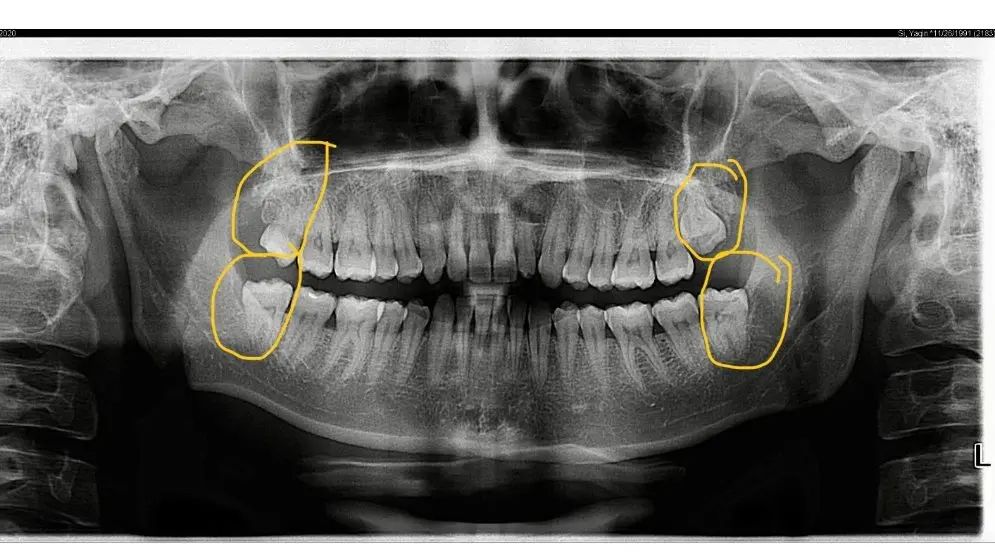
- Oral surgery and wisdom teeth: Complex extractions are handled by oral surgeons. Follow post‑op guidance closely, especially if you plan cross‑border travel.
- Cosmetic dentistry: Whitening, veneers, and bonding can enhance smiles. Ask about suitability, maintenance, and long‑term care.
Insurance, payment, and documentation
- Insurance acceptance differs by clinic. Confirm coverage, claim procedures, and whether direct billing is available.
- Request detailed treatment plans and receipts with proper diagnostic codes for reimbursement.
- For employer plans or international coverage, pre‑authorization may be required before major procedures.
Preparing for your appointment
- Medical history: Share medications, allergies, and health conditions (e.g., diabetes, heart issues). Mention pregnancy or recent surgeries.
- Anxiety and comfort: Discuss concerns openly. Many clinics offer gentle techniques, numbing options, or sedation dentistry when appropriate.
- Oral hygiene basics: Brush twice daily with fluoride toothpaste and floss or use interdental brushes. Good habits reduce the complexity of future treatments.
- Travel timing: For invasive procedures, avoid scheduling immediately before flights or border crossings. Allow time for rest and follow‑up.
Red flags to avoid
- Vague diagnoses without imaging or explanation
- Pressure to start complex treatments immediately
- Lack of clear aftercare instructions or emergency contacts
- Poor hygiene practices or reluctance to answer your questions
Bottom line
Both Hong Kong and Shenzhen offer strong dental options with skilled professionals, modern facilities, and comprehensive services. Your best choice depends on communication comfort, convenience, follow‑up needs, and the specific expertise your case requires. Do a little homework, ask questions, and pick a dentist who listens, explains, and partners with you on long‑term oral health.
















