









Brown Stains Front Teeth in Shenzhen: What to Check First
Spotting brown stains on your front teeth right before a meeting in Futian or a night out in Nanshan can feel alarming. The good news: many stains are superficial and reversible. The key is to quickly figure out whether you’re dealing with surface discoloration that a cleaning can fix, or a deeper issue that needs a dentist’s attention. Here’s a clear, practical checklist to guide your next steps in Shenzhen.
Start with the surface-or-deep test
- Wipe-and-scratch: After brushing, gently scrape the stained area with a clean fingernail or the edge of a floss pick. If the color lightens or flakes, it’s likely extrinsic (surface) stain from coffee, tea, soy sauce, or tobacco. If it doesn’t budge and looks embedded, it may be intrinsic staining or decay.
- Pattern matters: A uniform, tea-colored cast across several front teeth usually points to lifestyle staining. Isolated, dark brown or grey on a single tooth—especially after trauma—can suggest internal discoloration or a “dead” tooth.
- Texture clue: Rough, gritty bands near the gumline often indicate calculus (tartar). Tartar attracts pigment and needs professional scaling; brushing alone won’t remove it.
Scan for common causes in Shenzhen
- Drinks and food: Milk tea, oolong, coffee, red wine, dark soy sauce, and curry are frequent culprits. If you sip throughout the day, pigments have more time to bind to enamel.
- Smoking and vaping: Nicotine and tar cause yellow-brown stains that cling stubbornly to front teeth and along the gumline.
- Mouthwash and meds: Long-term use of chlorhexidine mouthwash, iron supplements, and certain liquid herbal tonics can cause brown staining.
- Appliances and retainers: Clear aligners, fixed retainers, and crowded front teeth trap plaque, making staining worse.
- Areca (betel) nut: If used, it can create heavy, brown-red staining and gum irritation.
- Water and fluoride: Brown speckles or bands present since childhood might be fluorosis or enamel defects—not dangerous, but a cosmetic issue best handled with professional options.
Look for red flags that point to decay or gum disease
- Sticky or soft spot: If a brown area feels sticky when you probe with floss and catches debris, it could be the start of a cavity, especially at the edges between teeth.
- Chalky white to brown: White, chalky patches that turned brown near the braces line are often demineralized enamel from past plaque buildup.
- Sensitivity or pain: Sensitivity to cold, sweets, or biting can accompany decay or erosion, not just superficial stain.
- Bleeding and bad breath: Persistent bleeding gums, tenderness, or a metallic taste point to gingivitis or periodontitis—conditions that both cause and worsen staining.
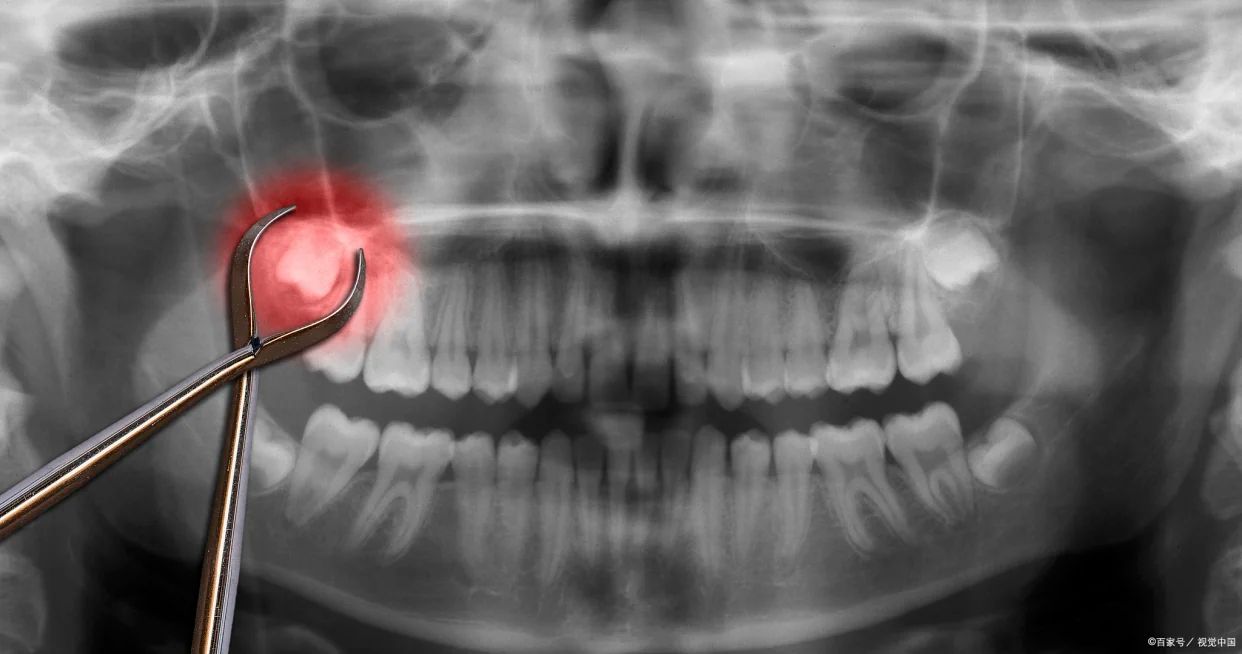
- Single tooth turning dark: A front tooth going brown or grey after a bump or with no obvious stain source deserves a prompt dental exam and likely an X-ray.
Do a quick at-home reset for 10–14 days
- Upgrade your brushing: Use a soft-bristled or electric toothbrush with a gentle, fluoride toothpaste. Focus along the gumline and the inner surfaces of front teeth where stain loves to hide.
- Floss smarter: Daily flossing and, if you have gaps or retainers, interdental brushes will disrupt the plaque film that locks in color.
- Whitening toothpaste in moderation: Use a reputable whitening toothpaste 2–3 times a week to lift surface stain. Avoid abrasive powders or charcoal, which can scratch enamel and make future staining worse.
- Rinse, don’t scrub after acids: After coffee, tea, citrus, or sparkling wa
ter, rinse with water and wait 20–30 minutes before brushing to protect softened enamel.
- Use a straw and time your sips: For staining drinks, a straw reduces front-teeth contact. Try to enjoy them with meals instead of continuous sipping.
- Chew xylitol gum: It helps stimulate saliva, which naturally buffers acids and washes pigments.
- Track your habits: Take two or three close-up photos (good daylight, same angle) a week apart to check whether your changes are working.
When to book a Shenzhen dentist
- Stains don’t lighten after two weeks of improved home care
- You notice an isolated dark tooth, brown pits, sensitivity, or pain
- Your gums bleed often, or tartar bands are visible
- You wear aligners or retainers and feel plaque buildup you can’t reach
What a dentist in Shenzhen can do
- Professional cleaning: Scaling and polishing (and, in many clinics, air polishing) remove pigment, plaque, and tartar efficiently and safely, often making the biggest visible difference for front teeth.
- Microabrasion: For shallow, stubborn surface defects, controlled enamel microabrasion can even out color.
- Whitening: Supervised in-office or dentist-guided take-home whitening lifts extrinsic and some intrinsic discoloration across multiple teeth for a brighter, uniform result.
- Internal bleaching: If a single, non-vital tooth has darkened after trauma or root treatment, internal bleaching targets that tooth from the inside.
- Bonding or veneers: For intrinsic stains, fluorosis, or enamel defects that whitening can’t correct, composite bonding or porcelain veneers can restore uniform color and shape.
- Gum therapy: Treating gingivitis or periodontitis reduces bleeding and future stain retention, and improves long-term aesthetics.
- Alignment solutions: If crowding makes cleaning difficult, aligning front teeth (clear aligners or braces) can reduce plaque retention and staining over time.
Choosing a clinic in Shenzhen
- Verify credentials and sterilization standards; look for clinics that use ultrasonic scalers, air polishing, rubber dam isolation, and digital X‑rays.
- Communication: If you prefer English, confirm language support in advance.
- Technology and transparency: Before-and-after photos, shade guides, and a clear home-care plan signal a patient-centered approach.
- Convenience: Proximity to major metro lines and flexible hours near business hubs (Futian CBD, Nanshan tech parks, Luohu) can help you keep follow-up appointments.
- Realistic expectations: Be cautious of instant “permanent whitening” promises. Sustainable results come from a mix of professional care and daily habits.
Keep stains away with Shenzhen-friendly habits
- Twice-daily brushing with fluoride toothpaste and daily flossing
- Rinse with water after tea, coffee, or soy-sauce-heavy meals; consider a straw for iced drinks
- Schedule regular check-ups and cleanings, typically every six months (more often if you build tartar quickly or wear retainers)
- If you’re prone to sensitivity, ask about fluoride varnish or desensitizing products that support enamel
- Replace brush heads every 2–3 months, especially in the city’s humid climate, to maintain bristle performance
Bottom line: Brown stains on front teeth are common, especially with coffee, tea, and busy Shenzhen routines. Start by checking whether the discoloration is surface-level or deeper, make smart at-home tweaks, and see a local dentist if stains persist or you notice any red flags. With the right plan, you can restore a bright, confident smile—often faster and more comfortably than you think.
















