









Tooth Removal in Hong Kong or Shenzhen? A Full Guide
Deciding where to get a tooth removed can feel overwhelming, especially when you’re choosing between two major healthcare hubs next door to each other. Whether it’s a simple tooth extraction for a decayed tooth or a surgical wisdom tooth removal, both Hong Kong and Shenzhen offer capable options. This guide breaks down the differences, what to expect, and how to make the choice that fits your situation, budget expectations, and comfort level—without the guesswork.
Quick comparison at a glance
- Clinical standards: Hong Kong has a long-established regulatory framework with strict oversight. Shenzhen has rapidly expanded its medical infrastructure, with many modern hospitals and international clinics. In both places, ensure your dentist is licensed and the clinic follows robust infection control protocols.
- Access and wait times: Public services in Hong Kong may involve waits for non-urgent tooth removal, while private clinics tend to be faster. Shenzhen often offers more flexible scheduling and extended hours, especially in large dental centers.
- Language and communication: English and Cantonese are widely used in Hong Kong dental clinics. In Shenzhen, Mandarin is standard, though many clinics serving international patients provide English-speaking staff.
- Insurance and payment: Check your plan’s cross-border coverage and whether direct billing is available. Some international or corporate plans cover care in both cities, but documentation requirements can differ.
- Follow-up and convenience: Tooth extraction frequently requires a follow-up visit, especially for surgical extractions. Factor in border crossing time, clinic location, and your ability to return if needed.
Types of tooth removal you might need
- Simple extraction: A straightforward removal of a tooth visible above the gum line, typically under local anesthesia.
- Surgical extraction: Needed for broken teeth or those below the gum line, sometimes requiring gum incisions and bone removal.
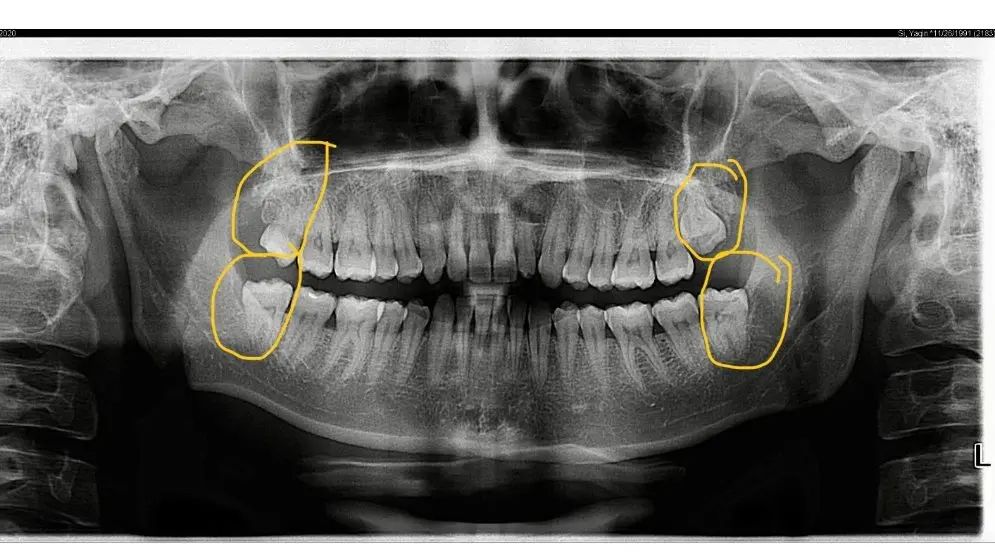
- Wisdom tooth removal: Often surgical, especially for impacted wisdom teeth. Evaluate all four with panoramic X-rays to plan treatment.
- Orthodontic extraction: Removal of specific teeth to create space for braces or aligners, often coordinated with an orthodontist.
Quality, safety, and how to choose a clinic
Look for clinics that emphasize transparent protocols and patient education. Key signs of a quality practice include:
- Pre-extraction assessment with X-rays (panoramic or periapical) and a clear treatment plan
- Written consent and discussion of risks (like dry socket or nerve injury for lower wisdom teeth)
- Single-use needles and barrier protection; sterilized instruments with documented autoclave cycles
- Clear post-operative instructions and arranged follow-up
- Availability for questions or urgent issues after hours
In Hong Kong, you can verify dentist registration through the Dental Council register. In Shenzhen, ensure both the clinic and dentist have valid licenses and ask about their experience with the specific procedure you need.
What to expect during tooth extraction
1) Consultation and imaging: You’ll review your medical history, current medications, and any allergies. X-rays will help the dentist assess roots, nerves, and sinus proximity.
2) Anesthesia plan: Local anesthesia is standard. Some clinics offer sedation for anxious patients or complex surgeries—ask about monitoring and recovery protocols if you opt for this.
3) The procedure: Simple extractions usually take minutes; surgical extractions can take longer and may involve sutures. Expect pressure, not pain, during the procedure.
4) Immediate recovery: You’ll bite
on gauze to control bleeding and receive instructions for pain control, diet, and hygiene. A follow-up appointment may be scheduled within 3 to 7 days, especially if sutures are placed.
Cross-border and travel considerations
- Timing and logistics: Account for border wait times and clinic proximity to transport hubs. After sedation, you’ll need an escort and should avoid long travel or driving.
- Same-day travel: With local anesthesia, many people travel the same day, but plan for rest. After surgical extraction, especially wisdom teeth, consider staying nearby for 24 hours.
- Prescriptions: Understand how to fill medications in your chosen city and carry identification and medical documents as needed.
Preparing for your appointment
- Share your full medical history, including bleeding disorders, heart conditions, or past reactions to anesthesia.
- Bring a list of medications and supplements; some, like blood thinners, may need special consideration.
- Eat a light meal before local anesthesia, unless advised otherwise. For sedation, follow fasting guidelines.
- Arrange transportation, especially if sedation is planned.
- Ask about after-hours contact for urgent concerns.
Recovery tips and red flags
- Bleeding control: Keep pressure with gauze for 30–60 minutes. If bleeding persists, replace gauze and continue firm bite pressure.
- Pain management: Use doctor-recommended pain relievers. Ice packs during the first 24 hours help with swelling.
- Diet: Soft, cool foods for the first day or two. Avoid hot liquids initially, and skip straws to prevent dislodging the blood clot.
- Oral hygiene: Don’t rinse vigorously for the first 24 hours. From day two, gentle warm saltwater rinses can help. Brush carefully, avoiding the socket.
- Lifestyle: Avoid smoking and alcohol for at least 72 hours, as they increase the risk of dry socket and slow healing.
- Red flags: Contact your clinic if you have heavy bleeding beyond a couple of hours, worsening pain after day two or a foul taste (possible dry socket), fever, pus, or swelling that affects breathing or vision. Numbness that persists beyond initial recovery should also be reported.
Special cases: wisdom teeth and orthodontic planning
- Wisdom teeth: Lower wisdom tooth removal carries a small risk of nerve irritation. A CBCT scan may be recommended for complex roots. Discuss the risk-benefit balance, especially if the tooth is asymptomatic but prone to future problems.
- Orthodontic cases: If extractions are part of braces or aligners, coordinate across clinics if you plan care between Hong Kong and Shenzhen. Clear communication ensures aligned timelines and smooth follow-up.
Making your choice: Hong Kong or Shenzhen?
Choose Hong Kong if you value long-established regulatory oversight, prefer English or Cantonese communication, and plan to coordinate care within the city. Private clinics typically offer swift scheduling and comprehensive follow-up.
Choose Shenzhen if you want modern facilities with flexible scheduling, proximity to major transport in the Greater Bay Area, or you’re comfortable with Mandarin-language care and returning for follow-ups across the border. International clinics in Shenzhen increasingly cater to multilingual patients and offer comprehensive surgical services.
In both cities, the best decision comes down to the dentist you trust, the clinic’s standards, and your logistical needs for timely care and follow-up. Prioritize clear explanations, evidence-based medicine, and a plan that covers pre-op to recovery. With the right preparation and provider, tooth removal—whether simple extraction or wisdom tooth surgery—can be safe, efficient, and far less stressful than you might expect.
















