









Failed Root Canal: Is It Serious? A Dentist Explains
If you’ve had a root canal and the tooth still hurts, looks swollen, or doesn’t feel right, you might be wondering if the procedure failed—and how worried you should be. As a dentist, I see this concern often. The short answer: a failed root canal can be serious if left untreated, but it’s usually fixable with the right care. Understanding the signs, causes, and solutions will help you make confident, calm decisions about your oral health.
What a Root Canal Does
A root canal removes infected or inflamed pulp (the nerve and blood supply inside the tooth) and fills the canals to prevent bacteria from returning. When it works as intended, you can keep your natural tooth without pain or infection. A “failed” root canal simply means the infection persisted or returned, or the tooth didn’t heal as expected.
Common Signs of a Failed Root Canal
- Persistent or recurring pain, especially when biting or chewing
- Sensitivity that lingers, especially to pressure
- Swelling or tenderness in the gums near the treated tooth
- A pimple-like bump on the gum (a sinus tract), which may drain
- Discoloration of the tooth or an unusual taste in your mouth
- Changes seen on X-rays, such as dark areas near the root tip
Pain alone doesn’t always mean failure—some discomfort can be normal for a short time after treatment. But symptoms that persist beyond a few weeks, worsen, or appear months or years later deserve attention.
Is It Serious?
It can be. A lingering infection may spread to surrounding bone, form an abscess, and damage nearby teeth or tissues. In rare cases, severe dental infections can affect overall health. The severity depends on how long the infection has been present, your immune status, and the tooth’s condition. The good news is that timely evaluation and treatment can prevent complications and often save the tooth.
Why Root Canals Sometimes Fail
- Complex anatomy: Teeth have intricate, sometimes hidden canals that are difficult to clean completely.
- Blocked or curved canals: Calcified or sharply curved canals can prevent full treatment.
- Missed canals: An extra canal may go untreated, leaving bacteria behind.
- Leakage: If the filling or crown isn’t perfectly sealed, bacteria can re-enter.
- Fractures: Cracks in the tooth or root provide a path for reinfection.
- New decay: Cavities around the crown or filling can compromise the seal.
- Persistent bacteria: Some microbes are particularly resistant and can survive initial treatment.
How Dentists Diagnose Root Canal Failure
We start with a clinical exam and a bite test to locate the source of pain. Dental X-rays, and sometimes a 3D scan (CBCT), reveal hidden canals, fractures, and infection around the root tip. We also review the history: when symptoms started, how the tooth was treated, and whether a crown was placed. A precise diagnosis
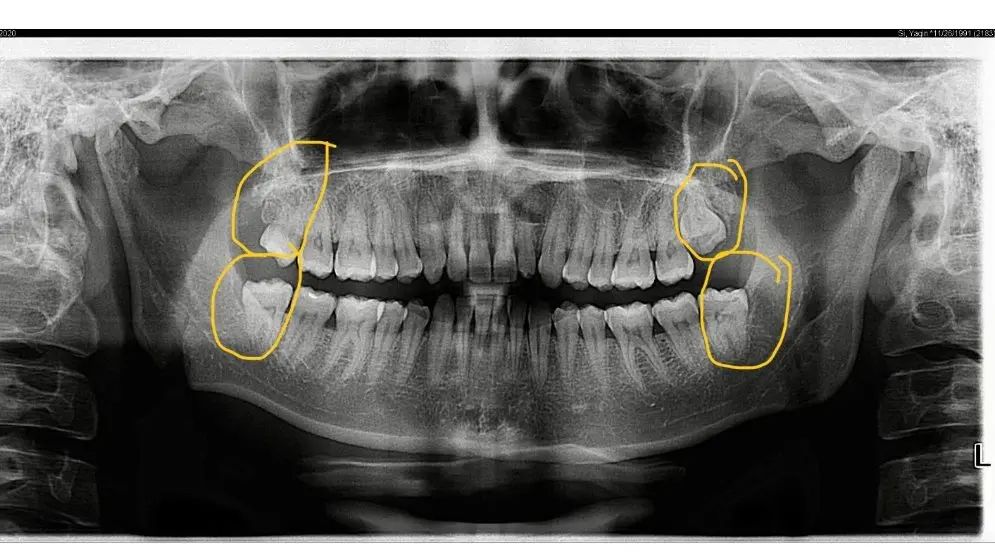
guides the best solution.
Your Options If a Root Canal Fails
- Root canal retreatment: The most common fix. We reopen the tooth, remove previous filling material, disinfect the canals thoroughly, and reseal them. Advancements in imaging and tools help us find missed canals and clean difficult areas more effectively.
- Apicoectomy (endodontic surgery): If retreatment isn’t ideal or doesn’t fully resolve the issue, a minor surgical approach targets the tip of the root, removes infected tissue, and seals the end of the canal to prevent reinfection.
- Extraction and replacement: If the tooth is cracked or the structure is too compromised to save, removing the tooth may be the safest route. Replacement options include bridges or implants; your dentist will help you weigh longevity, function, and your overall oral health.
Is Retreatment Painful?
Modern endodontic care is focused on comfort. With proper anesthesia and techniques, retreatment is usually well tolerated. Some tenderness afterward is normal and typically managed with over-the-counter pain relief. The priority is eliminating infection and restoring function.
What Happens If You Wait?
Delaying care allows bacteria to continue damaging bone and tissue. Symptoms can flare, come and go, then return more intensely. Treating earlier often means simpler procedures, a higher chance of saving the tooth, and fewer complications.
Prevention Tips After a Root Canal
- Get a well-fitted crown if advised: It protects the tooth from fracture and seals out bacteria.
- Don’t postpone dental visits: Regular checkups and X-rays catch small issues before they become big problems.
- Protect against cracks: Wear a night guard if you grind your teeth; avoid chewing hard objects like ice or pens.
- Keep decay at bay: Brush twice a day with fluoride toothpaste, floss daily, and consider fluoride rinses if prone to cavities.
- Watch for changes: Report new pain, swelling, or gum bumps promptly.
When to Call Your Dentist
Reach out if you notice swelling, a gum pimple, persistent pain when chewing, a bad taste, or a change in how the tooth feels or looks. If swelling spreads to your face or you develop fever, seek urgent care. Clear communication and swift action are your best allies.
The Bottom Line
A failed root canal is not the end of the road for your tooth. It signals that bacteria are still present or have returned, and it deserves attention—but with today’s techniques, retreatment or an apicoectomy can often resolve the problem. Even if the tooth cannot be saved, replacing it can restore your bite and protect neighboring teeth. The key is to act sooner rather than later.
If your root canal tooth doesn’t feel right, don’t panic. Get a professional evaluation, discuss your options, and choose a plan that supports long-term oral health. With the right care, you can get back to a comfortable, healthy smile.
















