









Tooth Extraction in Shenzhen: A Patient’s Honest Review
When I first heard I needed a tooth extraction in Shenzhen, I pictured a confusing process in a new city and a lot of pain. The reality was far more organized and much less scary. If you’re considering tooth extraction in Shenzhen—whether it’s a cracked molar or a stubborn wisdom tooth—here’s an honest look at what actually happens, from booking to recovery.
Choosing a clinic and setting expectations
I started by searching for a Shenzhen dental clinic that handled extractions and oral surgery. A few things mattered to me: up-to-date imaging (panoramic or CBCT), clear explanations, and strong sterilization protocols. Many clinics list their dentists’ credentials online and note if they handle complicated cases like impacted wisdom teeth. Communication turned out to be smoother than expected; several clinics had English-speaking staff or used translation support, and some offered digital registration forms in both English and Chinese.
Booking was straightforward through a WeChat mini-program. I could choose a time slot, upload past dental records, and complete a brief medical questionnaire. On the day, I checked in with my passport, filled out a consent form, and sat down for a consultation with a Shenzhen dentist who walked me through what to expect.
Consultation and imaging
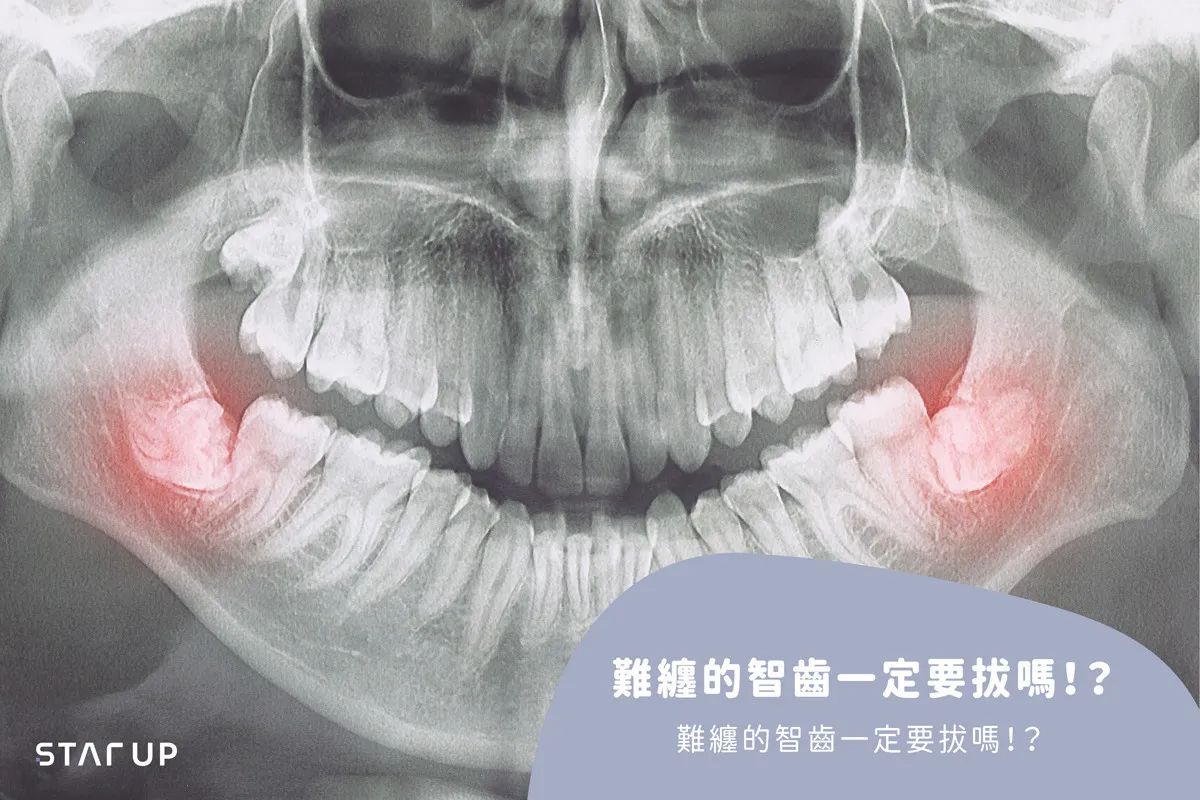
The first step was imaging. I had a panoramic X-ray to assess the tooth’s roots, proximity to nerves, and any infection. In cases of lower wisdom tooth extraction, the dentist explained the risk of nerve involvement and when a cone-beam CT might be recommended. I appreciated that the dentist outlined all options: immediate extraction, monitoring, or referral to an oral surgeon in Shenzhen if the case was complex.
Before proceeding, the dentist reviewed my medical history—medications, allergies, previous anesthesia experiences—and discussed potential risks: swelling, dry socket, infection, or prolonged numbness. It didn’t feel rushed. I had time to ask questions about pain control, healing time, and aftercare.
What the extraction felt like
The procedure room was clean and modern. After a rinse with an antimicrobial solution, the dentist administered local anesthesia. The injection stung briefly, then the area went numb within a few minutes. They tested numbness by gently tapping and asking if I felt any sharpness. Once confirmed, the dentist began.
The sensations surprised me. I didn’t feel pain, but I did feel pressure and hear the sounds of instruments. There was a bit of pushing as the dentist loosened the tooth, and a crackly noise when lifting it out—odd but not painful. An assistant managed suction continuously, so the experience felt controlled. From first injection to final rinse, it took about 20–30 minutes for a straightforward extraction; impacted wisdom teeth can take longer.
Stitches were placed to promote healing and reduce bleeding. I was given fresh gauze, asked to bite down firmly, and monitored a few minutes to ensure bleeding was under control. The dentist reviewed a printed aftercare sheet in English and Chinese and discussed it with me before I left.
Aftercare instructions that actually matter
Good aftercare is half the battle. Here’s what stood out:
- Keep pressure on the gauze for the first hour or two, replacing it as instructed.
- Expect oozing; a little pink in saliva is normal.
- Avoid rinsing, spitting, or using straws on day one to protect the bloo
d clot.
- Stick to soft, cool foods initially: yogurt, mashed potatoes, soups at lukewarm temperature.
- Apply ice intermittently for the first 24 hours to help with swelling.
- Take pain medication as directed; antibiotics may be prescribed if there was infection or a surgical extraction.
- Begin gentle saltwater rinses after 24 hours, especially after meals.
- Sleep with your head elevated the first night, and avoid intense exercise for a couple of days.
- Don’t smoke; it significantly increases the risk of dry socket.
Recovery timeline and follow-up
My swelling peaked on day two and eased by day four. Mild jaw stiffness lingered for a couple of days—normal, especially for lower molars. The stitches dissolved on their own; in some cases, you might return for stitch removal around a week later. By day seven, I was largely back to normal. The clinic checked in via message to ask about pain, swelling, and whether I had any fever or foul taste (signs of infection). Having that follow-up made the experience feel complete.
What surprised me about getting dental care in Shenzhen
- Efficiency and tech integration: Booking, forms, reminders, and post-op instructions were all digital. QR codes everywhere.
- Cleanliness and protocols: Instrument sterilization and protective measures were clearly visible, which boosted my confidence.
- Communication: Even if English wasn’t perfect, the team was prepared with translation apps and bilingual handouts.
- Transparent planning: The dentist laid out scenarios—simple extraction vs. surgical removal—and when they would refer to a specialist for complex wisdom tooth extraction.
- Payment and receipts: I received a detailed treatment record and receipt that made it easy to claim reimbursement with my insurer later.
Public vs. private settings
Both public hospitals and private clinics in Shenzhen handle tooth extractions. Public facilities can be great for complex cases or when you need specialist care, though wait times may be longer. Private clinics often offer faster appointments and a more personalized experience. The best choice depends on your case complexity and comfort level with the setting.
Tips if you’re planning a tooth extraction in Shenzhen
- Ask about imaging: panoramic X-ray vs. CBCT if a nerve is close to the roots.
- Clarify anesthesia options: local anesthesia is standard; some clinics offer sedation for anxious patients.
- Bring medical info: medication list, allergy history, and any previous dental records.
- Plan your diet: stock soft foods and avoid hot, spicy, and crunchy items for a few days.
- Schedule downtime: avoid intense work or workouts for 24–48 hours.
- Know red flags: severe pain after day three, persistent bad taste, fever, or worsening swelling—contact your dentist immediately.
- Arrange transport: you might not want to drive right after a surgical extraction.
The honest verdict
Tooth extraction in Shenzhen was not the ordeal I feared. The process was well-structured, the staff were careful and communicative, and pain was managed effectively. By paying attention to aftercare and asking upfront questions, I felt in control of the experience. If you’re on the fence about a needed extraction, especially for a troublesome wisdom tooth, don’t let uncertainty hold you back. With a reputable Shenzhen dentist, clear instructions, and a sensible recovery plan, the procedure can be straightforward—and a real relief once that problematic tooth is gone.
















