









What is a filling? – What the Research Actually Says
If you’ve ever been told you “need a filling,” you’re not alone—and you’re not doomed. A dental filling is one of the most common, effective ways to stop a cavity from growing and restore strength to a tooth. But with all the opinions online about materials, safety, and longevity, it’s easy to feel overwhelmed. Here’s a clear, research-based look at what a filling is, why it’s used, and what science actually says about your options.
What a filling actually does
A filling is a restorative material placed in a tooth after decay is removed. Its core jobs are simple:
- It seals the cleaned cavity so bacteria and acids can’t keep invading.
- It restores shape and function so you can bite and chew comfortably.
- It helps distribute forces to prevent cracks and further breakdown.
Left untreated, a cavity can deepen, reach the nerve, and turn into pain, infection, or the need for root canal therapy or extraction. A properly placed filling interrupts that cascade early.
Common filling materials (and what research says)
There’s no one “best” material for every tooth. Choice depends on the size and location of the cavity, how you bite, your oral hygiene, and your preferences.
- Composite resin (tooth-colored): Bonds to enamel and dentin, allowing more conservative drilling. Research shows good survival in small to medium cavities, especially in front teeth and low-stress areas. It can be technique-sensitive: moisture control and proper layering matter for longevity.
- Dental amalgam (silver-colored): A long-standing workhorse for back teeth and larger cavities. Systematic reviews report excellent durability and wear resistance. On safety, extensive research and public health evaluations conclude amalgam is safe for most adults; some guidelines recommend limiting use in certain populations as a precaution. Talk with your dentist about your specific situation.
- Glass ionomer and resin-modified glass ionomer: Chemically bond to the tooth and release fluoride, which can help in high-caries-risk patients. They’re often used as interim restorations, for root caries, or in non-load-bearing areas. Evidence supports their role in minimally invasive and pediatric dentistry.
- Ceramic and gold inlays/onlays: Indirect restorations made outside the mouth and bonded or cemented in. They’re strong and wear-resistant, suited for larger defects where a simple filling may not hold up. They typically require more tooth preparation than small composite fillings.
How long do fillings last?
Studies suggest:
- Composite fillings commonly last many years, with survival influenced by cavity size, placement technique, and hygiene.
- Amalgam often shows longer average survival in large stress-bearing cavities.
- Glass ionomer may have shorter lifespans in high-stress spots but offers fluoride benefits.
Across materials, the biggest predictors of longevity are the size and location of the restoration, the dentist’s technique, and your home care and checkups. Importantly, research supports repairing a defective edge rather than replacing the whole filling when possible—repairs can preserve tooth structure and extend the life of the restoration.
The procedure, step by step
A modern filling is straightforward and usually comfortable:
1) Diagnosis: Your dentist examines the tooth and may take X-rays to gauge depth and proximity to the nerve and neighboring teeth.
2) Numbing and isolation: Local anesthetic keeps
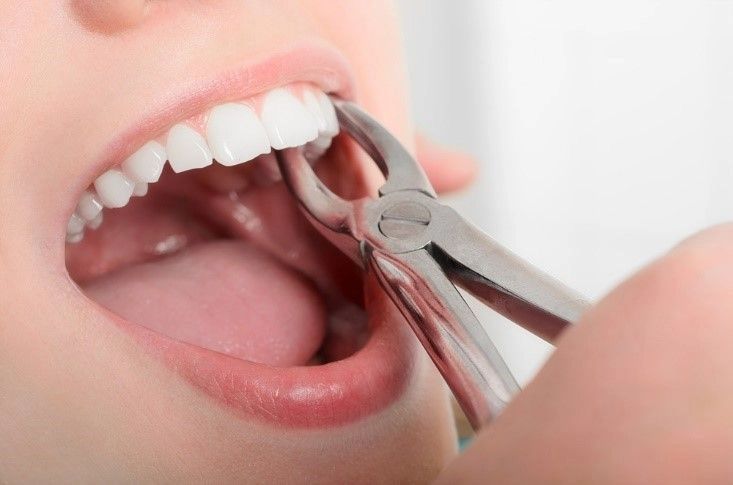
you pain-free. Rubber dam or cotton rolls help keep the area dry, crucial for certain materials.
3) Decay removal: Only softened, infected dentin is removed. Current evidence supports conservative, selective caries removal to avoid unnecessary pulp exposure.
4) Disinfection and lining when needed: Some cases benefit from liners or bases to protect the nerve or help with sensitivity.
5) Placement: Composite is layered, bonded, and light-cured; amalgam is packed and shaped. Indirect restorations involve an impression or scan and a separate placement appointment.
6) Shaping and bite check: The dentist adjusts contours and your bite so the tooth feels natural.
What about sensitivity and aftercare?
Mild sensitivity to cold or pressure can happen for a few days, especially with deep cavities or composite bonding. This typically settles as the nerve calms. If your bite feels high or you have lingering pain when chewing, call your dentist—simple adjustments often solve the problem.
To protect your new filling and the tooth:
- Brush twice daily with fluoride toothpaste and clean between teeth.
- Limit frequent snacking and sugary drinks.
- Use a nightguard if you grind your teeth.
- Keep regular checkups so small issues can be repaired, not replaced.
Debunking common myths
- “All dark spots need drilling.” Not true. Early enamel lesions can often be managed non-invasively with fluoride, sealants, or resin infiltration. Research shows sealed early lesions can arrest or slow progression.
- “Once you get a filling, decay keeps happening under it.” Decay doesn’t sneak through solid material. New decay can form at the edges if plaque isn’t controlled. Good hygiene and a well-sealed margin keep the risk low.
- “Bigger fillings are better than crowns.” Size matters. When a cavity removes a large portion of the tooth, an inlay, onlay, or crown may better resist fracture. Evidence supports choosing restorations that match the remaining tooth structure.
- “If a filling chips, it must be replaced completely.” Not always. Many defects can be spot-repaired, preserving healthy tooth and extending service life.
Minimally invasive dentistry: where research is heading
Modern caries management emphasizes preserving as much natural tooth as possible. Evidence supports:
- Selective removal of soft, infected dentin while keeping firm, remineralizable dentin near the nerve.
- Sealing residual bacteria under well-bonded restorations to halt disease progression.
- Using fluoride-releasing materials for high-risk patients and root surfaces.
- Behavior and diet counseling, because no material can outwork a constant sugar and acid bath.
When is a filling not enough?
If decay reaches the pulp (nerve), a root canal and subsequent restoration may be indicated. If the tooth is heavily cracked or structurally compromised, a crown or onlay may be more predictable than a large filling. Your dentist will weigh tooth strength, crack patterns, and your bite to recommend the most stable solution.
The bottom line
A filling is a proven, evidence-based way to stop decay, seal the tooth, and get you back to comfortable chewing. The “best” filling is the one that fits your tooth’s needs, your caries risk, and your goals—chosen in partnership with a dentist who practices conservative, research-guided care. And remember: the most successful filling is the one you never need. Daily fluoride, smart snacking, and consistent checkups are still the undefeated champions of dental health.
















