









What happens when root canal fails? – A Dentist Answers
If you’ve had a root canal and you’re still having symptoms, you’re not alone—and you’re not out of options. Root canals are very successful overall, but like any medical treatment, they can occasionally fail or need a second look. As a dentist, here’s how I explain what a “failed” root canal really means, what to watch for, and how we fix it.
What does “failed root canal” mean?
A root canal is designed to clean out infected or inflamed tissue inside the tooth and seal the canals so bacteria can’t re-enter. When a root canal “fails,” it means infection persists or returns. That can happen weeks, months, or even years after the original treatment. Sometimes it’s due to complex tooth anatomy; sometimes it’s because a new problem—like decay under a crown or a crack—lets bacteria back in.
Common signs your root canal may have failed
- Pain that lingers or worsens, especially when biting or tapping the tooth
- Swelling of the gums or face near the treated tooth
- A pimple-like bump on the gum (a sinus tract) that may drain
- Sensitivity to hot or cold that doesn’t fade after a few seconds
- A bad taste or odor in the mouth that keeps coming back
- Tooth discoloration or the feeling that the tooth is “high” when you bite
- A loose or leaky filling/crown around the treated tooth
A little tenderness for a few days after a root canal is normal. What’s not normal is pain that persists beyond a week, intensifies, or returns after a period of feeling fine.
Why root canals fail
- Missed canals or complex anatomy: Some teeth have extra or curved canals that are hard to see. If bacteria remain in an uncleaned area, infection can persist.
- Microleakage: If the final filling or crown doesn’t seal perfectly—or if it breaks down over time—bacteria can sneak back in.
- New decay: Cavities can form at the edge of a filling or crown and create a new pathway for infection.
- Cracks or fractures: A cracked tooth can bypass even a well-done root canal by allowing bacteria to enter from the outside.
- Delays in final restoration: Waiting too long to place a permanent crown can leave the tooth vulnerable to contamination or fracture.
- Reinfection from gum issues: Deep gum pockets or periodontal disease can contribute to persistent symptoms in the same area.
What happens if a failed root canal is left untreated?
The infection won’t reliably “self-heal.” It may come and go, but below the surface it can lead to ongoing bone loss around the root tip, recurring abscesses, swelling, and pain. In upper back teeth, it can sometimes irritate the sinus area; in lower teeth, it can cause jaw discomfort. While severe complications are uncommon, dental infections can spread and affect your overall health. Prompt diagnosis and treatment make recovery simpler and more predictable.
How your dentist evaluates a suspected failure
- Clinical exam: We check your bite, look for cracks, and test for tenderness to tapping or pressure.
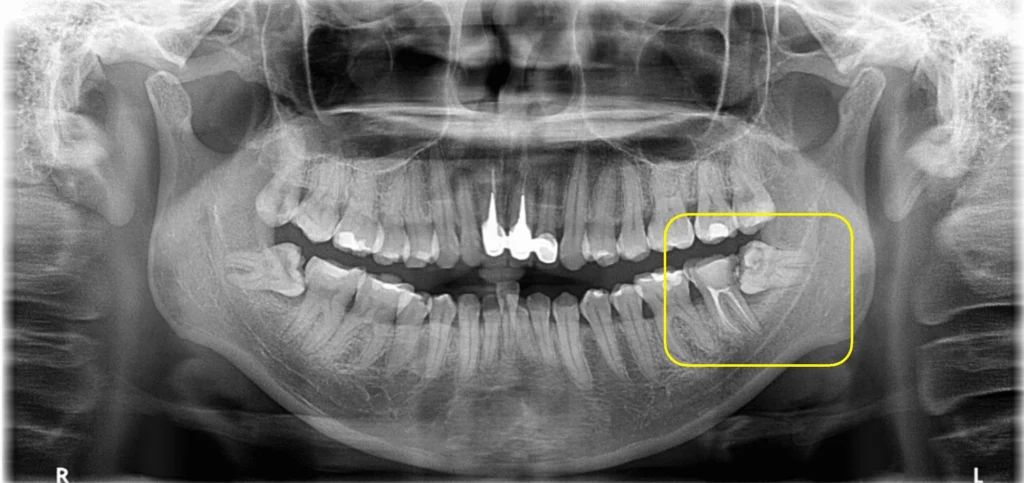
- Imaging: Dental X-rays, and sometimes 3D imaging (CBCT), help reveal hidden canals, fractures, or bone changes.
- Restoration check: We evaluate the seal and fit of your filling or crown and look for decay at the margins.
- Gum assessment: We probe the gums to rule out periodontal issues that can mimic or complicate endodontic problems.
Treatmen
t options that actually work
1) Nonsurgical retreatment
This is often the first choice. We remove the old root canal filling, disinfect the canals thoroughly, and reseal them. Advances like magnification, better irrigation, and modern sealers make retreatment very effective, especially when the cause is a missed canal or leakage. Many retreatments are done by endodontists (root canal specialists) using microscopes and specialized instruments.
2) Apicoectomy (root-end surgery)
If retreatment isn’t feasible or didn’t resolve the issue, a minor surgical procedure called an apicoectomy can be performed. The dentist or endodontist accesses the tip of the root through the gum, cleans out the infected tissue, seals the root end, and encourages healing in the bone. This is useful for persistent infections at the root tip or when a post, crown, or complex restoration makes retreatment difficult.
3) Extraction and replacement
If the tooth is cracked vertically, severely decayed, or structurally compromised, removing it may be the healthiest choice. You can replace it with options like a dental implant, bridge, or a removable prosthesis. While we try to save natural teeth whenever possible, long-term function and comfort are the priority.
What you can do right now if you suspect a problem
- Call your dentist promptly; early care prevents bigger issues.
- Avoid chewing on the affected side to reduce pressure and pain.
- Use a cold compress on the cheek for swelling.
- Rinse gently with warm salt water to help soothe irritated tissues.
- Take over-the-counter pain relievers as directed by your dentist or physician.
- Do not apply heat to a suspected dental infection; it can worsen swelling.
Prevention tips to protect a treated tooth
- Don’t delay the final crown or onlay after a root canal; it strengthens the tooth and seals it.
- Maintain excellent oral hygiene—brush twice daily and clean between teeth daily.
- Address clenching or grinding; a nightguard can prevent cracks and stress on the tooth.
- Avoid biting hard items like ice, pens, or unpopped popcorn kernels.
- Keep regular checkups and X-rays so small problems are caught early.
- Manage dry mouth if present; saliva protects against decay around restorations.
FAQs dentists hear about failed root canals
- Is pain after a root canal always a failure? No. Mild soreness for a few days is common. Failure is more likely if pain persists, worsens, or returns months later, or if you notice swelling or a gum pimple.
- Can antibiotics fix a failed root canal? Antibiotics can reduce symptoms temporarily, but they don’t remove infection inside the tooth. Definitive treatment requires retreatment, surgery, or extraction.
- How long can a retreated tooth last? With proper diagnosis, careful sealing, and a good final crown, retreated teeth can last many years. Success depends on the cause of failure, the tooth’s condition, and your oral habits.
Bottom line
A failed root canal doesn’t mean you did anything wrong—and it doesn’t mean you’ll lose the tooth. With the right diagnosis and a tailored plan—retreatment, apicoectomy, or, when necessary, replacement—most people return to comfortable, normal function. If something feels off in a tooth that’s had a root canal, don’t wait. The sooner we address it, the simpler and more successful the solution tends to be.
















