









Signs Root Canal: Warning Signs & What to Do Now – Find Out
Tooth pain has a way of stopping you in your tracks. One minute you’re sipping coffee, the next you’re grabbing your jaw and wondering, “Do I need a root canal?” The good news: understanding the warning signs and what to do next can help you save your tooth, ease your pain, and get back to normal fast. Here’s a clear, friendly guide to what root canal symptoms really look like, why they happen, and how to act quickly and confidently.
What a Root Canal Actually Is
A root canal is a common dental procedure that treats an infection or severe inflammation inside your tooth’s pulp—the soft tissue that holds nerves and blood vessels. When the pulp is damaged by deep decay, a crack, or trauma, bacteria can enter and cause an infection. A root canal removes the infected tissue, cleans and disinfects the canals, and seals the space so the tooth can be restored and used just like before.
Warning Signs You Might Need a Root Canal
Not every toothache means “root canal,” but certain symptoms deserve attention:
- Lingering pain: Sharp or throbbing pain that lingers for minutes after hot or cold exposure is a classic sign the pulp is irritated or infected.
- Pain when biting or chewing: A deep, pressure-like pain when you bite down can indicate inflammation at the root tip or a crack.
- Sensitivity to heat or cold: If sensitivity goes beyond a quick zing and sticks around, that’s more concerning.
- Swollen gums or a pimple on the gum: A small bump (fistula) near the tooth that sometimes drains a bad-tasting fluid points to an abscess.
- Darkening or discoloration of the tooth: A tooth that looks gray or darker than its neighbors may have internal damage.
- Tender jaw or swollen face: Spreading swelling, tenderness, or a feeling of fullness can mean the infection is progressing.
- Bad taste or persistent bad breath: Caused by draining infection.
- Loose tooth (in adults): Infection can weaken supporting tissues, making a tooth feel slightly mobile.
Why These Symptoms Happen
When decay or a crack lets bacteria reach the pulp, your body mounts an inflammatory response. Because the pulp is in a confined space, swelling increases pressure and pain. If not treated, the infection can spread through the root into the bone, forming an abscess. Root canal therapy clears the source of infection and lets your body heal.
What to Do Right Now
- Don’t ignore it: Tooth infections don’t fix themselves and can worsen quickly. Early treatment often means less discomfort and a better outcome.
- Call a dentist or endodontist: Describe your symptoms and ask for an urgent appointment. If you have fever, spreading swelling, or trouble swallowing or breathing, seek emergency care immediately.
- Manage pain safely at home:
- Use over-the-counter pain relievers as directed on the label.
- Apply a cold compress to the cheek in 10–15 minute intervals to reduce swelling.
- Keep your head elevated, especially when resting, to reduce pressure.
- Rinse gently with warm saltwater to soothe irritated gums.
- Avoid chewing on the affected side and skip very hot or very cold foods.
- Do not place aspirin directly on the tooth or gums; it can burn tissue.
- Skip leftover a
ntibiotics: Don’t self-prescribe. Antibiotics may reduce swelling temporarily but won’t remove infected pulp; definitive dental treatment is still needed.
What to Expect at the Dental Visit
- Diagnosis: Your dentist will review your symptoms, take X-rays, and perform tests (like cold testing or gentle tapping) to pinpoint whether the pulp is inflamed or dead and to rule out other issues like gum disease, sinus-related pressure, or a cracked filling.
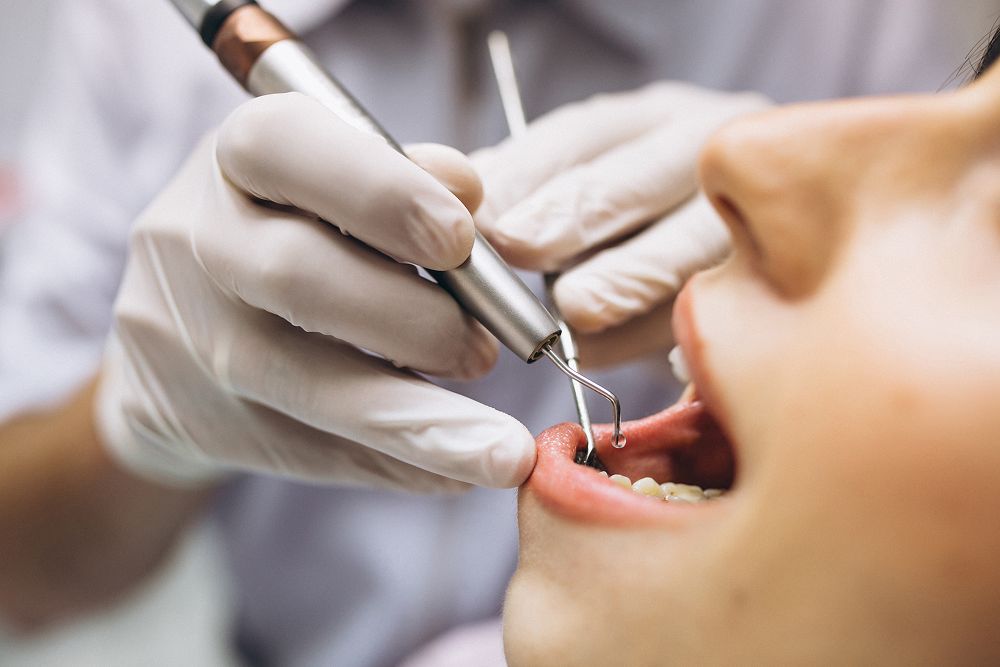
- The procedure: If a root canal is recommended, you’ll receive local anesthesia to numb the area. The dentist or endodontist will open a tiny access point, clean and shape the canals, disinfect them, and seal them. A temporary filling is placed initially; later, a permanent restoration—often a crown—protects the tooth.
- Comfort: Modern root canals are routine and typically no more uncomfortable than getting a filling. Most people return to normal activities the same day.
- Recovery: Mild tenderness is common for a few days. Follow your dentist’s instructions, avoid chewing hard foods on that tooth until it’s fully restored, and keep up with gentle brushing and flossing.
Do I Always Need a Root Canal for Tooth Pain?
Not necessarily. Gum inflammation, sinus infections, receding gums, and minor enamel sensitivity can mimic pulp problems. That’s why an exam and X-rays are essential. If the pulp is not involved, you may only need a filling, desensitizing treatment, or gum care. But if the pulp is infected or dead, a root canal or extraction are the primary options to eliminate the infection. Choosing a root canal saves your natural tooth structure and preserves your bite.
Common Questions, Straight Answers
- Are root canals painful? With modern anesthetics and techniques, the procedure itself is usually quite comfortable. Many patients feel relief once the inflamed pulp is removed.
- Can antibiotics alone cure a tooth infection? No. Antibiotics can help control spread in specific cases, but they don’t remove infected pulp. Dental treatment is necessary.
- Will the tooth be as strong afterward? After a root canal, a crown or onlay often restores strength. With proper restoration and care, treated teeth can last for many years.
- How urgent is treatment? If you have lingering pain, swelling, or a gum pimple, sooner is better. Rapidly worsening pain, fever, or facial swelling requires immediate attention.
How to Prevent Root Canal Problems
- Brush twice daily with fluoride toothpaste and floss once a day.
- See your dentist regularly for cleanings and exams; X-rays can spot problems before they hurt.
- Treat cavities promptly, and don’t ignore lost fillings or broken crowns.
- Wear a mouthguard for sports and a night guard if you grind your teeth.
- Limit frequent sugary snacks and acidic drinks, and sip water throughout the day.
Bottom Line
If you’re noticing lingering tooth pain, sensitivity that doesn’t fade, swelling, or a gum pimple, those are potential signs you may need a root canal. Acting quickly—managing symptoms safely at home and scheduling an urgent dental visit—can save your tooth and spare you from escalating pain. Modern root canal therapy is predictable, effective, and designed to get you back to smiling, eating, and living comfortably.
















