









Swollen Gum Around: Warning Signs & What to Do Now
Noticing a swollen gum around one tooth can be unsettling. Sometimes it’s just a minor irritation; other times, it’s a sign that something more serious is brewing beneath the surface. The good news: most gum swelling can be managed effectively when you know what to look for and what steps to take. Here’s a clear, practical guide to help you understand the causes, recognize warning signs, and act quickly and safely.
What “swollen gum around” really means
When gum tissue swells around a tooth, it’s usually your body’s response to irritation, plaque buildup, or infection. Swelling often comes with redness, tenderness, bleeding when you brush or floss, and sometimes a bad taste or smell. The swelling may be localized (around a single tooth) or more general. Localized swelling is more likely linked to a specific trigger like trapped food, a broken filling, a partially erupted wisdom tooth, or an abscess. Recognizing the pattern helps you decide your next steps.
Common causes of swollen gums around a tooth
- Plaque-induced gingivitis: Sticky bacterial film builds up along the gumline, triggering inflammation and bleeding.
- Food impaction: A popcorn hull or seed wedged between teeth can inflame the gum and cause a sore bump.
- Tartar (calculus): Hardened plaque harbors bacteria and irritates gums, often requiring professional removal.
- Periodontitis: Advanced gum disease that affects the bone and supporting tissues, leading to deeper pockets and swelling.
- Dental abscess: Infection inside the tooth (from decay or a cracked tooth) or in the gum (periodontal abscess) can cause painful swelling and pus.
- Partially erupted wisdom tooth (pericoronitis): A gum flap over a wisdom tooth traps debris and bacteria, causing swelling and pain.
- Dental appliances and restorations: Braces, rough crown edges, or ill-fitting dentures can rub and inflame gum tissue.
- Hormonal shifts: Pregnancy, puberty, and some medications can increase gum sensitivity and swelling.
- Systemic conditions: Diabetes, vitamin deficiencies, dry mouth, and smoking can all worsen gum health and swelling.
Warning signs you shouldn’t ignore
While many cases of gum swelling improve with careful home care, some symptoms signal you should contact a dentist promptly:
- Throbbing pain, pus, or a bad taste suggesting an abscess
- Fever, facial swelling, or swollen lymph nodes
- Difficulty swallowing, breathing, or opening your mouth
- A loose tooth, gum recession, or changes in your bite
- Bleeding that persists more than a week despite gentle brushing and flossing
- Mouth sores or ulcers that aren’t healing after two weeks
- Swelling that keeps coming back or doesn’t improve within 3 to 5 days
What to do now: simple steps at home
- Gently clean the area: Use a soft-bristled toothbrush and a light touch. Floss carefully to remove trapped food, or use an interdental brush if the space allows. Avoid snapping floss into the gum.
- Rinse with warm salt water: Dissolve about half a teaspoon of salt in a cup of warm water and swish for 30 seconds, 2 to 3 times daily. This can soothe inflammation and help cleanse the area.
- Try an antiseptic rinse: An over-the-counter antiseptic mouthwash (look for non-alcohol formulas if your gums are sensitive) can reduce bacterial load. Avoid using strong medicated rinses long-term unless your dentist advises it.
- Co
ol compress: Apply a cold compress to the outside of your cheek for 10 minutes at a time to ease swelling and discomfort.
- Manage discomfort: Over-the-counter pain relievers can help; follow the label instructions. Do not place aspirin directly on the gum.
- Watch what you eat and drink: Skip very hot, spicy, or acidic foods and alcohol while your gum is sore. Choose softer, cooler foods and drink plenty of water.
- Protect from irritation: If a braces wire or a rough edge is rubbing your gum, cover it with orthodontic wax and contact your dentist or orthodontist.
- Don’t ignore worsening symptoms: If pain escalates, you see pus, or the swelling spreads, arrange professional care right away.
When to see a dentist
- Immediately or within 24 hours: If you have severe pain, fever, spreading facial swelling, trouble swallowing or breathing, or a suspected abscess.
- Within 48 hours: If the swelling is localized with moderate pain, if you notice pus, or if a broken tooth or filling is involved.
- Within a week: If mild swelling doesn’t improve after 3 to 5 days of careful home care, if swelling keeps returning, or if you have risk factors like pregnancy, diabetes, or a history of gum disease.
What your dentist may do
- Examination and imaging: A thorough exam and dental X-rays can reveal hidden decay, impacted wisdom teeth, bone loss, or abscesses.
- Professional cleaning: Scaling and debridement remove plaque and tartar, allowing inflamed gums to heal.
- Drainage and infection control: For abscesses, your dentist may drain the infection and, in some cases, prescribe antibiotics. Remember that antibiotics alone won’t fix the source; definitive treatment is essential.
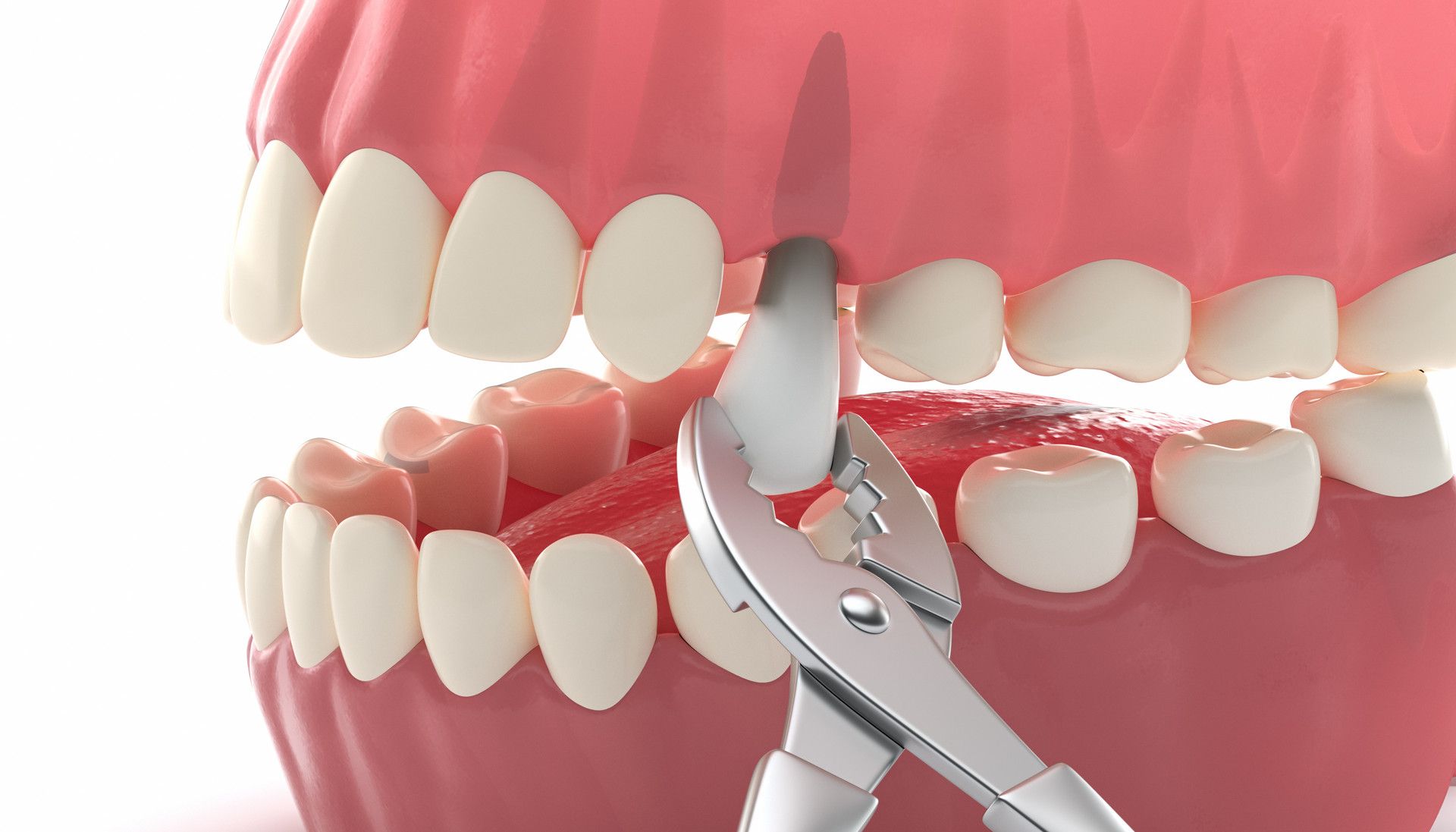
- Restorative treatment: A deep cavity or cracked tooth may need a filling, crown, or root canal. Severely damaged teeth might require extraction.
- Periodontal therapy: Deep cleaning (scaling and root planing), localized antimicrobials, or further periodontal treatment for gum disease.
- Adjustments: Smoothing a rough filling or correcting an ill-fitting crown or denture that’s irritating the gum.
How to prevent future gum swelling
- Brush twice daily with a soft-bristled brush and fluoride toothpaste, aiming along the gumline with small, gentle circles.
- Clean between teeth daily with floss, interdental brushes, or a water flosser.
- Schedule regular checkups and professional cleanings as recommended by your dentist.
- Replace your toothbrush every 3 months or sooner if bristles fray.
- Balance your diet, limit sugary snacks and drinks, and drink water after meals.
- Don’t smoke or vape; both increase inflammation and slow healing.
- Manage dry mouth by staying hydrated and talking with your dentist about saliva-support options if needed.
- For braces or dental work: Be extra thorough around brackets, wires, crowns, and bridges. Specialized brushes and water flossers can help.
- During pregnancy: Consider more frequent cleanings and be diligent with daily care, as gums can be more reactive.
Bottom line
A swollen gum around a tooth is your body’s way of saying something needs attention. Often, gentle cleaning, saltwater rinses, and a few days of care can settle things down. But if the swelling is painful, persistent, or paired with warning signs like fever, pus, or facial swelling, don’t wait. Timely professional care prevents complications and gets you back to a healthy, comfortable smile.
















