









Why Choose Pulp Treatment in Shenzhen? – Find Out More
If a lingering toothache is keeping you up at night or you wince when sipping hot coffee, you might be dealing with an inflamed or infected dental pulp. Pulp treatment—often called root canal therapy—is a proven way to relieve pain, save your natural tooth, and prevent future complications. So, why choose pulp treatment in Shenzhen? Here’s a friendly, detailed guide to help you understand the benefits, the process, and how to pick the right clinic in this dynamic city.
What Exactly Is Pulp Treatment?
Inside each tooth lies a small chamber housing nerves, blood vessels, and connective tissue—the pulp. When decay, cracks, trauma, or repeated dental procedures allow bacteria to reach this pulp, it can become inflamed or infected. Pulp treatment removes the diseased tissue, disinfects the root canals, and seals them to stop reinfection. In many cases, the tooth is then protected with a dental crown to restore strength and function.
Signs You Might Need It
- Persistent or throbbing toothache
- Sensitivity to hot or cold that lingers after the stimulus is gone
- Pain when chewing or touching the tooth
- Swelling in the gums or face, or a small pimple-like bump (abscess)
- Darkening of the tooth after trauma
If any of these sound familiar, don’t wait—early care can save your tooth and shorten treatment time.
Why Shenzhen Is a Smart Choice
- Experienced dentists and specialists: Shenzhen’s dental scene includes highly trained general dentists and endodontists (root canal specialists) who keep up with international standards and continuing education. Many have experience treating both local and international patients.
- Advanced technology: Clinics in Shenzhen often use dental microscopes for precision, rotary nickel-titanium instruments for efficient cleaning, apex locators for accurate working length, and 3D CBCT imaging when needed for complex anatomy. Rubber dam isolation and modern irrigation protocols improve safety and outcomes.
- Streamlined access: With convenient locations near metro lines and business districts, it’s easy to fit appointments around work or travel. Many clinics offer evening or weekend slots and timely emergency care for sudden toothaches.
- Bilingual care and clear communication: If you’re an expat or traveler, you’ll find clinics with English-speaking teams who explain options, risks, and aftercare clearly so you can make confident decisions.
- Focus on comfort and infection control: Local anesthesia, gentle techniques, and modern pain management keep you comfortable. Strict sterilization and hygiene protocols align with global best practices.
- Comprehensive follow-up: From the initial consult to the final crown, Shenzhen clinics typically provide coordinated care and reminders to keep your restoration on track.
What Happens During Pulp Treatment?
- Assessment and diagnosis: Your dentist reviews your symptoms, examines your tooth, and takes digital X-rays. For complex roots or previous failed treatments, CBCT scans may be recommended.
- Anesthesia and isolation: The area is numbed so you stay comfortable. A rubber dam isolates the tooth, keeping it dry and preventing saliva or bacteria from interfering.
- Cleaning and shaping: Through a small access opening, the dentist removes the infected pulp. Specialized instruments shape the canals while disinfecting solutions flush out bacteria and debris.
- Filling and sealing: The cleaned canals are filled with a biocompatible material and sealed to prevent reinfection. A temporary or permanent filling is placed on top.
- Restoration: Because treated teeth can be more brittle, a crown is often advised to protect against fractures and restore bite functio
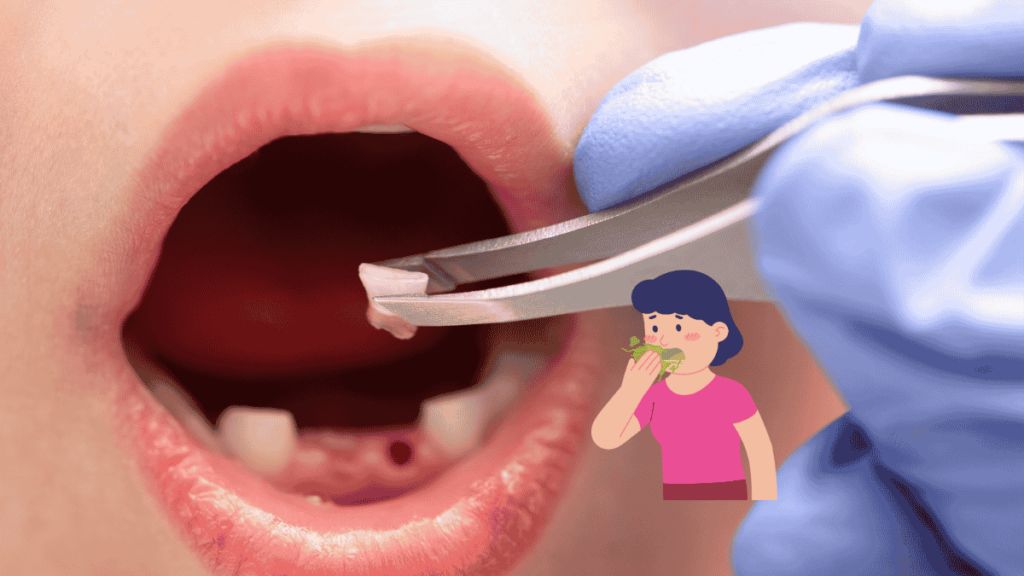
n. Your dentist will advise whether you need a crown and when to place it.
Is It Painful?
Most patients say the procedure feels like getting a filling. The goal is to relieve pain, not cause it. With effective local anesthesia and careful technique, you should feel minimal discomfort. Some tenderness for a day or two is normal and usually manageable with over-the-counter pain relief as directed by your dentist.
How Long Does It Take?
Simple cases may be completed in one visit; others, especially teeth with multiple roots or severe infection, might require two or more appointments. Your dentist will outline a timeline tailored to your case.
How to Choose a Dental Clinic in Shenzhen
- Credentials and specialization: Look for dentists with endodontic training or a strong track record in root canal therapy. Ask about continuing education and membership in professional associations.
- Technology and techniques: Inquire whether the clinic uses rubber dam isolation, rotary instrumentation, apex locators, and dental microscopes—these tools improve precision and success rates.
- Transparent treatment plans: A clear diagnosis, step-by-step plan, written consent form, and discussion of alternatives (including extraction) indicate professionalism.
- Infection control standards: Ask about sterilization protocols and disposable barriers. Clinics should be comfortable explaining their hygiene procedures.
- Patient reviews and case examples: Look for consistent positive feedback about communication, comfort, and outcomes.
- Follow-up and restorative support: Ensure the clinic can provide the final crown and post-treatment monitoring, or coordinate smoothly with a restorative dentist.
Aftercare Tips for a Smooth Recovery
- Be gentle: Avoid chewing hard or sticky foods on the treated tooth until it’s fully restored with a permanent filling or crown.
- Manage discomfort: Mild soreness is common; follow your dentist’s guidance on pain relief and antibiotics if prescribed.
- Keep it clean: Brush and floss as usual, taking care around the temporary restoration. An antibacterial mouthwash may be recommended.
- Don’t delay the crown: If advised, schedule the crown promptly to prevent cracks or reinfection.
- Monitor and maintain: Attend follow-up appointments and routine cleanings. Good oral hygiene and regular checkups help your treated tooth last for many years.
Frequently Asked Questions
- Will my tooth feel different? It may feel slightly different at first, especially if you had significant pain before. After the final restoration, it should function much like your other teeth.
- What if my tooth is cracked? Your dentist will evaluate the extent. Some cracks are treatable with a root canal and crown; vertical root fractures often require extraction. Imaging and testing guide the decision.
- Can a failed root canal be retreated? Yes. Retreatment or endodontic microsurgery (apicoectomy) can often save a tooth that didn’t heal properly the first time.
- Is extraction cheaper or better? Keeping your natural tooth usually preserves bite alignment and prevents shifting that can lead to additional dental work. Your dentist can discuss long-term considerations for both options.
The Bottom Line
Pulp treatment in Shenzhen combines skilled clinicians, modern technology, and patient-centered care to resolve tooth pain and save your natural smile. If you’re experiencing symptoms of pulp infection—or you’ve been told you might need a root canal—don’t put it off. A timely consultation can make the difference between a straightforward treatment and more complex care. Reach out to a reputable Shenzhen dental clinic, ask the right questions, and take the first step toward a comfortable, healthy mouth.
















