









Yellow Brown Stains in Shenzhen: A First-Timer’s Guide
Move to Shenzhen and you’ll quickly discover two constants: warm, humid air and a fast-paced lifestyle fueled by tea, coffee, and street food. That combo can add up to one surprisingly universal annoyance—yellow-brown stains. Whether it’s on clothes, tiles, teeth, or even skin, these stains show up fast in a subtropical city. The good news? With a few smart habits and the right tools, you can keep them under control without stress.
Why yellow-brown stains happen in Shenzhen
Shenzhen’s climate and infrastructure create the perfect environment for discoloration:
- Humidity and heat: Sweat, sunscreen, and city dust bond easily with fabric and surfaces.
- Hard or mineral-rich water: Limescale leaves yellowish deposits on kettles, tiles, and fixtures. Older pipes or metal fittings can leave rust-toned streaks.
- Tea and coffee culture: Tannins love to cling to mugs and enamel—and your teeth.
- Coastal air: Salt and moisture accelerate corrosion, especially on unsealed metal.
Understanding the “why” helps you choose the right fix—the kind that actually works and won’t damage your stuff.
Clothing and laundry: sweat, sunscreen, and surprise rust spots
Common culprits on clothes include underarm sweat marks, sunscreen stains on collars, tan lines on white shirts from backpacks, and the dreaded rust speck from a drying rack.
Try this routine:
- Pre-treat fast: Dab a mix of mild liquid detergent and a little warm water onto fresh stains. For protein-based marks (sweat, food), use cold water first to avoid setting them.
- Enzyme and oxygen boosters: For yellowish underarm stains or collar grime, a soak in enzyme-based detergent or oxygen-based bleach (color-safe) helps lift discoloration without harshness.
- Baking soda paste: For stubborn patches, make a paste with baking soda and water, gently rub, and let it sit 15–30 minutes before washing.
- Rust-specific treatment: If you get a tiny rust spot from a metal hanger or balcony rail, use a rust remover designed for fabrics or try lemon juice with a pinch of salt. Avoid chlorine bleach on rust; it can darken the stain.
- Wash with ventilation in mind: Humidity slows drying and can cause yellowing. Spin thoroughly and dry in a well-ventilated area. If drying indoors, pair a fan or dehumidifier with your rack.
- Don’t over-sun: Sunshine can help whiten, but strong UV can set stains on some fabrics. A short sunning is fine; don’t bake clothes for hours.
Pro tip: In apartment buildings in Nanshan, Futian, and beyond, many balconies share metal rails. Use plastic-coated racks or a cloth barrier to prevent rust transfer.
Bathroom and kitchen: limescale rings, rust streaks, and grout
Mineral deposits and iron content can leave yellow-brown stains in kettles, sinks, showers, and toilets.
Smart cleaning sequence:
- Limescale first: Use white vinegar or a citric acid solution to dissolve mineral deposits. Soak kettle parts or apply to tiles with a cloth. Let it sit 15–30 minutes, then scrub gently and rinse well.
- Baking soda follow-up: Sprinkle baking soda on damp surfaces to neutralize residue and lift grime. Great for grout lines.
- Rust care: For rust-toned streaks on porcelain or metal, use a cleaner formulated for rust or oxalic acid-based bathroom cleaner. Apply carefully, rinse thoroughly, and ventilate well.
- Preventive habits: Squeegee shower glass and tiles after use, wipe fixtures dry, and keep a small fan or dehumidifier running in the bathroom. T
he less standing moisture, the fewer stains and the less mildew.
In the kitchen, descale your kettle regularly, wipe down the sink after washing, and periodically scrub grout. Small, frequent cleanings beat big, exhausting scrubs.
Mugs, bottles, and lunchware: tannin and oil stains
Tea and coffee leave a yellow-brown sheen on mugs and bottle interiors.
- Daily rinse: Rinse mugs immediately after use when possible.
- Gentle scrub: A paste of baking soda and water removes tannin film without scratching.
- Deep clean: For bottles and thermoses, use a bottle brush with mild detergent. Avoid abrasive powders on coated metal.
Teeth stains: tea, coffee, and city snacks
Love milk tea or espresso? Your enamel knows it. Stains build up quickly in Shenzhen’s café scene.
- Rinse and pace: Rinse with water after drinking tannin-rich beverages. Use a straw for iced drinks to reduce contact with teeth.
- Toothpaste choice: A gentle whitening toothpaste with polishing agents (not overly abrasive) can help. Don’t brush immediately after acidic drinks; wait 20–30 minutes to avoid enamel wear.
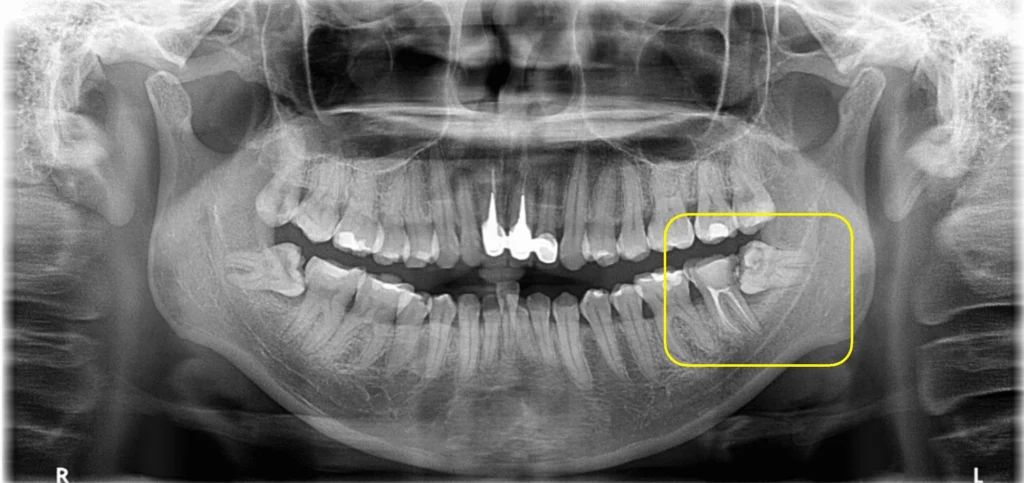
- Routine care: Professional cleanings at a dental clinic remove plaque and surface stains effectively. Between visits, floss and avoid letting sugary or pigmented drinks linger.
Skin discoloration: sun, heat, and melasma
In subtropical sun, brownish patches (melasma) and post-inflammatory dark marks can deepen.
- Daily sun protection: Broad-spectrum SPF, a wide-brim hat, and UPF clothing make a real difference. Reapply sunscreen, especially if you sweat.
- Gentle actives: Consider vitamin C serums and mild exfoliants if your skin tolerates them. Be patient—skin tone evens out gradually.
- Heat management: Shade breaks and cooling off help, as heat itself can trigger pigment changes.
- See a pro: A dermatologist can tailor treatments if discoloration persists.
Home habits that keep stains away
- Dry mode wins: Use air conditioners’ dry mode or a dehumidifier during the wet season. Lower humidity equals fewer stains and less mold.
- Vent smart: Open windows during drier parts of the day for cross-ventilation. Close up when outdoor air is sticky or rainy.
- Moisture traps: Place moisture absorbers in closets and shoe cabinets. Rotate and replace them regularly.
- Quick wipe-downs: Keep microfiber cloths handy. A 30-second wipe of a sink or tile edge prevents days of buildup.
- Laundry rhythm: Short, frequent washes trump big, infrequent loads in humid weather.
Where to find supplies in Shenzhen
You can find stain-removing essentials easily. Supermarkets stock oxygen-based bleaches, enzyme detergents, citric acid powders, and baking soda. Pharmacies carry dental care products. Hardware and home stores sell dehumidifiers, squeegees, and moisture absorbers. If you prefer delivery, popular apps bring cleaning and laundry essentials to your door.
Safety notes you shouldn’t skip
- Never mix bleach with acids or ammonia. It creates dangerous gases.
- Test spot first: On fabrics, tiles, and metals, test a small hidden area before full application.
- Rinse thoroughly: Especially after acid or rust treatments, rinse and dry surfaces to prevent re-staining or corrosion.
Shenzhen’s climate may invite yellow-brown stains, but they don’t have to define your home or wardrobe. With a few local-savvy habits—fast pre-treats, smart drying, gentle descalers, and sun sense—you’ll keep things fresh, bright, and ready for whatever the city brings next. Welcome to the subtropics; you’ve got this.
















