






Expect Tooth Pulled Aftercare: What to Do and Avoid
Getting a tooth pulled can feel intimidating, but with the right aftercare, most people heal quickly and comfortably. The first few days are all about protecting the blood clot that forms in the socket, reducing swelling, and keeping the area clean. Here’s what to expect after a tooth extraction, what to do, and what to avoid so you can recover smoothly.
Why aftercare matters
After a tooth is removed, your body forms a blood clot in the socket. That clot is nature’s bandage: it protects the bone and nerves and helps new tissue grow. If the clot gets dislodged (often by suction, forceful rinsing, or smoking), it can lead to a painful condition called dry socket. Good aftercare focuses on keeping that clot stable while easing pain and swelling.
The first 24 hours: your top priorities
Do:
- Keep gentle pressure on the gauze: Bite down firmly on the gauze pad your dentist placed for 30–45 minutes, then replace as directed until bleeding slows to a light oozing.
- Rest and keep your head elevated: Prop yourself up with pillows when reclining or sleeping to minimize swelling and bleeding.
- Apply ice to the cheek: Use an ice pack 15–20 minutes on, 20 minutes off for the first day to limit swelling.
- Take medication as directed: If you were prescribed pain relievers or antibiotics, take them exactly as instructed. Over-the-counter pain management may be advised—ask your dentist what’s appropriate for you.
- Eat soft, cool foods: Think yogurt, applesauce, mashed potatoes, smoothies (spoon only), scrambled eggs. Take small bites and chew away from the extraction site.
Avoid:
- Rinsing, spitting, or using straws: Suction and forceful mouth movements can dislodge the clot.
- Smoking or vaping: Nicotine reduces blood flow and suction disrupts clotting, significantly increasing dry socket risk.
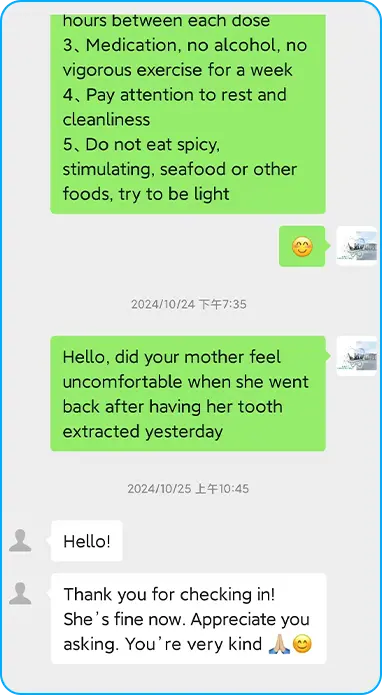
- Alcohol: It can irritate tissue and interfere with healing and medication.
- Hot, spicy, or crunchy foods: Heat and rough textures can irritate the socket and increase bleeding.
- Strenuous activity: Elevated heart rate and blood pressure can increase bleeding. Keep it light for 24–48 hours.
Managing bleeding, pain, and swelling
It’s normal to see slight oozing for several hours. If bleeding seems more than a slow ooze, replace the gauze and bite down with steady pressure. A moistened black tea bag can help—the tannins support clotting. If heavy bleeding continues beyond four hours despite pressure, call your dentist.
Pain typically peaks in the first 24–48 hours. Follow the pain relief plan you were given. Many people benefit from an alternating schedule of medications if approved by their dentist. Avoid aspirin unless specifically advised, as it can thin the blood and worsen bleeding.
Swelling usually peaks around 48–72 hours, then eases. Use ice for the first day; after 48 hours, warm compresses can help with stiffness and residual swelling. Some bruising on the cheek or jaw is normal and may last a few days.
Oral hygiene: keeping the area clean without disrupting the clot
- First 24 hours: Do not rinse your mouth. You can gently brush your other teeth, but avoid the extraction site and spit very gently.
- After 24 hours: Rinse gently with warm salt water (1/2 teaspoon salt in a cup of warm water) several times a day, especially after meals
. Avoid vigorous swishing.
- Brushing and flossing: Continue brushing and flossing the rest of your mouth as normal, but be gentle near the extraction site for about a week. Do not probe the socket with your tongue or fingers.
- Mouthwash: Avoid alcohol-based mouthwash for several days unless your dentist recommended a specific rinse.
What to eat (and what to skip)
- Choose soft, cool-to-lukewarm foods for the first two days: yogurt, smoothies eaten with a spoon, avocado, oatmeal, mashed bananas, soups cooled to warm, cottage cheese.
- Hydrate well: Drink plenty of water. Avoid hot beverages initially and anything carbonated if it feels irritating.
- Reintroduce foods gradually: By day three, move to tender foods like pasta, fish, or cooked vegetables if comfortable.
- Avoid small hard pieces: Nuts, seeds, chips, popcorn, and crunchy breads can get into the socket and cause irritation.
- Skip spicy, acidic, or very hot foods until the site feels calm.
Activity and sleep tips
- Keep it easy for 48–72 hours: Light walking is fine; avoid heavy lifting, intense cardio, or bending over repeatedly.
- Sleep slightly elevated for the first two nights to reduce swelling.
- If you grind your teeth or clench, consider wearing a night guard if you have one, but only if your dentist approves and it doesn’t press on the extraction area.
Stitches and special instructions
Some extractions involve stitches. Many are dissolvable and will disappear on their own in one to two weeks. If you were told to return for suture removal, keep your appointment. Do not tug at stitches with your tongue or fingers. If a stitch comes loose early or you notice a sharp edge irritating your cheek, contact the office for advice.
Understanding dry socket
Dry socket is when the clot dissolves or dislodges, exposing bone and nerves. It usually appears 2–4 days after extraction with symptoms like sudden, intense pain, ear or jaw pain on the same side, a bad taste, and unpleasant odor. Smoking, using straws, or vigorous rinsing raise the risk. If you suspect dry socket, call your dentist; it’s treatable, and relief is often quick after in-office care.
When to call your dentist
- Persistent heavy bleeding beyond four hours
- Severe pain not relieved by medication after day two
- Fever, chills, or signs of infection (increasing swelling, pus, worsening redness)
- Difficulty swallowing or breathing
- Persistent numbness beyond the immediate post-op period
- Bad taste or odor with escalating pain, suggesting dry socket
- A cracked or lost temporary crown or appliance near the extraction site
Typical healing timeline
- Day 1: Clot forms; mild to moderate pain and oozing are common.
- Days 2–3: Swelling and stiffness peak; keep using cold then warm compresses as appropriate.
- Days 3–7: Discomfort steadily improves; soft foods become easier; continue gentle saltwater rinses.
- 1–2 weeks: Gum tissue closes; stitches dissolve or are removed. The bone takes several weeks to months to fully remodel beneath the surface.
Final reminders
Protect the clot, keep things clean but gentle, and follow the instructions your dental team provided. If you smoke, avoid it for at least 72 hours—ideally a full week. With attentive aftercare, you can reduce the risk of complications and get back to your normal routine comfortably and quickly.