






Crowned Tooth: Symptoms, Causes & Treatment – Plain English
If you’ve got a crown on a tooth, you’re not alone. Dental crowns are a common, reliable way to protect a weakened tooth, restore a cracked one, or improve a tooth’s shape and bite. But what if a crowned tooth starts to feel “off”? In plain English, here’s how to tell what’s normal, what isn’t, and what to do next.
What is a crowned tooth?
A dental crown is a custom-made cap that covers the entire visible part of your tooth above the gumline. Think of it as a helmet for your tooth. Crowns are used when a tooth is too damaged for a regular filling, after root canal treatment, or to improve strength and appearance. Materials vary—porcelain, zirconia, porcelain-fused-to-metal, or gold—all designed to fit your bite and look natural.
What’s normal after getting a crown?
Right after you receive a new crown, some sensitivity is common:
- Mild tenderness when chewing for a few days
- Sensitivity to cold or hot temperatures for a couple of weeks
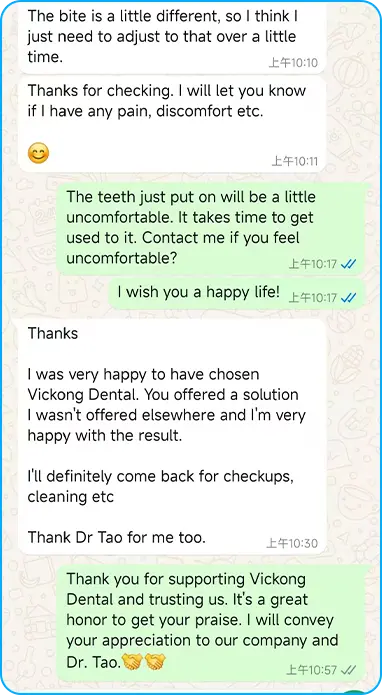
- A slightly “high” feeling when biting that may need a quick adjustment
These usually settle quickly. If discomfort is sharp, getting worse, or lasts beyond two weeks, it’s time to check in with your dentist.
Symptoms that suggest a crowned tooth problem
Call your dentist if you notice:
- Persistent pain when chewing or biting (especially on release)
- Sensitivity that lingers more than a few seconds after hot/cold
- A crown that feels loose, wobbly, or has fallen off
- Swollen, red, or bleeding gums around the crown
- Bad breath or a bad taste that doesn’t go away
- A visible crack or chip in the crown
- Jaw pain or headaches linked to clenching or grinding
- Sudden change in the way your teeth fit together
Common causes behind crowned tooth pain or issues
- Decay under the crown: Bacteria can sneak under the edge (the margin) if plaque builds up or if the seal weakens. You won’t see it, but you will feel it.
- Bite misalignment: If the crown is a little too high, it can take extra pressure, causing soreness or pain.
- Cement washout or loose crown: Over time, the bonding cement can weaken, letting saliva and bacteria in.
- Cracked tooth or crown: Heavy biting, hard foods, or grinding can crack the underlying tooth or the crown itself.
- Nerve irritation or infection: A tooth that was close to needing a root canal may flare up after being crowned, or a previous root canal could fail.
- Gum disease or recession: Inflamed gums or receding tissue can expose sensitive root surfaces and collect plaque at the crown’s edge.
- Bruxism (clenching/grinding): Nightly grinding puts extra stress on crowns, leading to pain, fractures, or gum soreness.
- Food impaction: Gaps between teeth or an ill-fitting contact point can trap food, irritating the gums and causing bad breath.
How your dentist figures it out
Expect a step-by-step check:
- Visual exam of the crown’s margins and your gums
- Bite test to see if a spot is too high
- Gentle tapping and cold/heat testing to assess the nerve
- X-rays to look for decay, frac
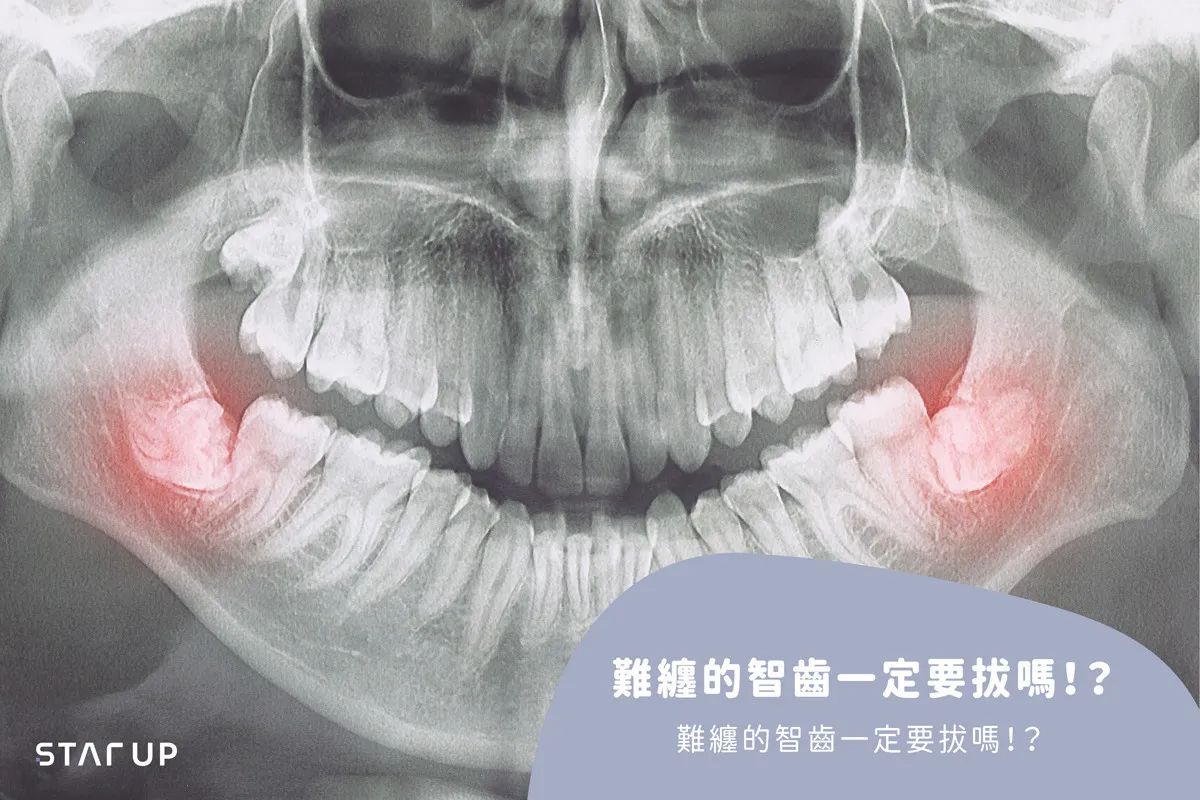
tures, or infection
- Floss and contact checks to find food-trap gaps
- Evaluation for grinding or jaw tension
Treatment options that actually work
Your dentist will tailor treatment to the cause. Common fixes include:
- Bite adjustment: Polishing high spots so your teeth meet evenly can relieve pressure and pain quickly.
- Re-cementing a loose crown: If the fit is good and there’s no decay, a simple re-bonding may solve the issue.
- Replacing the crown: Needed if the crown is cracked, poorly fitting, or if decay is present beneath it.
- Treating decay: Removing decay and placing a new crown or, if deep, performing a root canal first.
- Root canal therapy: If the nerve is inflamed or infected, cleaning the canals can save the tooth and relieve pain.
- Periodontal (gum) treatment: Deep cleaning, improved home care, or gum therapy for gum disease or recession.
- Night guard: A custom guard protects crowns from nighttime grinding damage and reduces jaw pain.
- Desensitizing care: Fluoride gels, varnishes, or sensitive-tooth toothpaste when the tooth is otherwise healthy.
- Temporary measures: If a crown falls off, your dentist may place a temporary crown and schedule definitive treatment soon.
Home care and prevention tips
- Brush twice a day with fluoride toothpaste: Aim the bristles at the gumline where plaque likes to gather.
- Clean between teeth daily: Floss or use interdental brushes. Slide floss out gently alongside a crown to avoid tugging.
- Rinse smart: An alcohol-free fluoride or antimicrobial rinse can help protect margins and gums.
- Watch your diet: Go easy on hard candies, ice, and very sticky foods that can crack or loosen crowns.
- Protect from grinding: If you clench at night or during stress, ask about a night guard.
- Keep regular checkups: Professional cleanings and X-rays catch small issues before they become big ones.
- After a new crown: Avoid very sticky or hard foods on that side for 24 hours while cement fully sets.
When to call the dentist right away
- Severe or worsening pain, especially with swelling or fever
- A crown that cracks or comes off
- A bad taste or discharge around the tooth
- Pain that doesn’t improve within a few days after a new crown
- A bite that still feels high after an adjustment
How long do crowns last?
With good care, crowns commonly last 5–15 years, and many last much longer. Lifespan depends on the crown’s material, your bite forces, oral hygiene, and whether you grind your teeth. Regular maintenance is the secret to keeping them in top shape.
Plain-English takeaway
A crowned tooth should feel like a normal tooth most of the time. If it hurts, feels loose, traps food, or just doesn’t feel right, there’s usually a fix—often as simple as adjusting the bite or re-cementing the crown. The sooner you get it checked, the easier and more conservative the solution tends to be. Keep your gums healthy, clean around the crown every day, and protect your teeth from grinding. Your crown can last for years and feel great when you do the small things consistently.