









Gum Swelling Under: Serious or Not? What to Do Next
Noticing gum swelling “under” your gumline, under a tooth, or around a dental crown can be worrying. Sometimes it’s a minor irritation that settles with good care at home. Other times, it points to an infection or a problem that needs timely dental attention. Here’s how to understand what’s going on, when it’s serious, and what you can do next.
What “gum swelling under” usually means
People often describe gum swelling under the gumline in a few ways:
- A puffy area around one tooth, especially when chewing or flossing.
- Tender gum tissue under a crown, bridge, or denture edge.
- Swelling behind a molar (often near a wisdom tooth).
- A lump or boil-like bump on the gum that comes and goes.
Common causes of gum swelling
- Food impaction and plaque buildup: A seed, popcorn hull, or sticky food can wedge under the gum, irritate tissue, and allow bacteria to inflame the area. Early gum disease (gingivitis) often looks like red, swollen gums that bleed easily.
- Periodontitis: Untreated gingivitis can progress into deeper infection of the tissues supporting the teeth. This may cause persistent swelling, gum recession, bad breath, and sensitivity.
- Gum abscess: A pocket of pus can form from a tooth infection or trapped debris under the gum. It may feel throbbing, tender to the touch, and sometimes release a bad taste.
- Erupting or impacted wisdom tooth: Partially erupted wisdom teeth trap bacteria under the gum flap, causing pericoronitis—painful swelling at the back of the mouth that can flare up.
- Irregular dental work or appliances: Overhanging fillings, rough crown edges, a loose bridge, or poorly fitting dentures can rub and irritate gums until they swell.
- Trauma and irritation: Aggressive brushing, snapping floss, burns from hot food, or sharp chips can inflame tissue.
- Hormonal changes and medications: Pregnancy, puberty, and certain medicines can increase gum sensitivity and swelling.
- Canker sores and ulcers: Localized painful ulcers can make a patch of gum look puffy and inflamed.
- Rare causes: Cysts or other growths can mimic swelling; persistent lumps deserve evaluation.
Is it serious?
Short-term mild swelling from irritation usually improves with careful home care. However, take it seriously and contact a dentist if you notice:
- Severe, throbbing pain or swelling that worsens
- Swelling spreading to the face or jaw, difficulty opening your mouth, fever, or feeling unwell
- Pus, a bad taste, or drainage from the gum
- A loose tooth or gum recession
- Difficulty swallowing or breathing (seek urgent care immediately)
- Swelling that lasts longer than a few days or keeps recurring
What you can do right now
- Clean gently and thoroughly: Use a soft toothbrush and small, careful strokes. Clean along the gumline and the back teeth. If flossing is painful, try interdental brushes or a water flosser to remove trapped debris without snapping floss.
- Rinse with warm saltwater: Mix half a teaspoon of salt in a cup of warm water and swish for 30 seconds, 2–3 times a day. This can soothe the tissue and reduce bacterial load.
- Cold compress: Apply a wrapped cold pack to the outside of your cheek for 10 minutes at a time to reduce swe
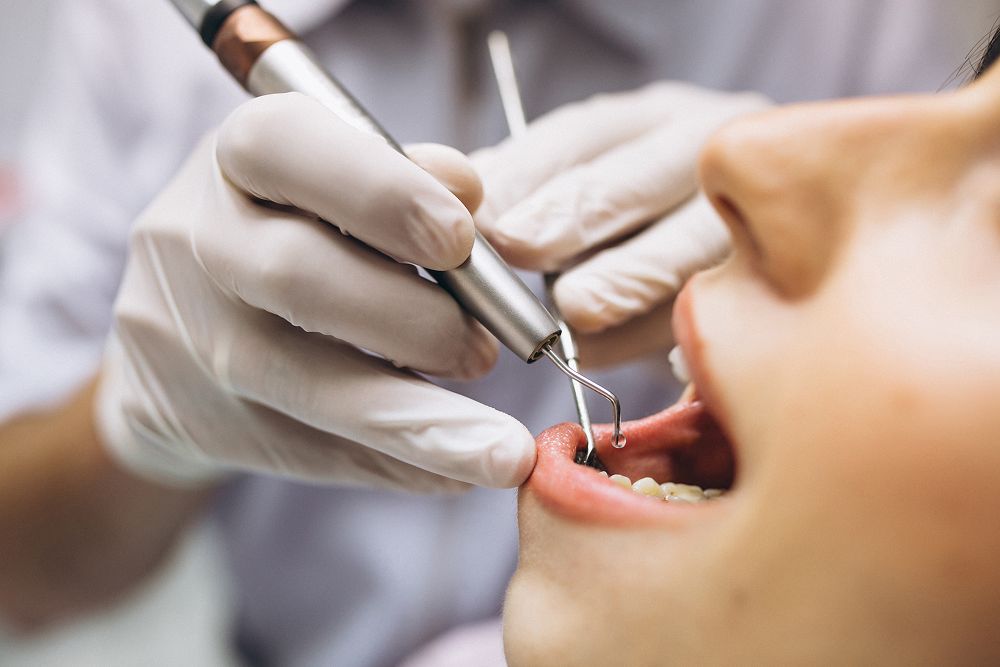
lling.
- Consider over-the-counter pain relief: If you can safely take them, acetaminophen or ibuprofen can ease discomfort. Use as directed and consult a professional if you have medical conditions or take other medications.
- Avoid irritants: Skip tobacco, alcohol, very hot or spicy foods, and hard, sharp snacks (like chips or seeds) until the area calms down.
- Cover sharp edges: If a chipped tooth or dental work is rubbing your gum, dental wax (often used for braces) can temporarily protect the spot.
When to contact a dentist
- Same-day or urgent appointment: If you suspect an abscess, have facial swelling, fever, severe pain, or trouble opening your mouth.
- Soon (within a few days): Swelling that doesn’t improve with home care, recurring gum puffiness around a specific tooth or crown, or bleeding gums that won’t settle.
- Routine care: If you haven’t had a professional cleaning in a while, book a checkup. Many gum issues start quietly and are easy to address early.
What your dentist may do
- Examine and image the area: A clinical exam and possibly X-rays can identify hidden decay, bone loss, abscesses, or impacted teeth.
- Deep cleaning: Scaling and root planing remove hardened plaque (tartar) and bacteria from below the gumline.
- Adjust or repair dental work: Smoothing an overhanging filling, polishing a rough crown edge, or tightening a bridge can stop ongoing irritation.
- Treat an abscess: The dentist may drain the infection, clean the area, and treat the source (often with a root canal or gum therapy). If the tooth is not savable, extraction may be recommended.
- Manage wisdom tooth problems: Irrigation and cleaning can help pericoronitis; impacted wisdom teeth may need removal.
- Prescribe medications if needed: For spreading infections or certain gum conditions, short courses of antibiotics or antiseptic rinses may be recommended alongside mechanical cleaning.
How to prevent gum swelling in the future
- Brush twice daily: Use a soft brush and fluoride toothpaste. Aim for two minutes, reaching every surface.
- Clean between teeth daily: Floss, interdental brushes, or a water flosser help remove trapped food that triggers swelling.
- Regular dental visits: Professional cleanings and exams catch early gum issues and keep tartar at bay.
- Mind your dental work: If a new crown or filling feels rough or traps food, ask for an adjustment. Replace worn or ill-fitting dentures.
- Gentle technique: Avoid scrubbing hard; let the bristles and time do the work. Replace your toothbrush every 3–4 months, or sooner if frayed.
- Support gum health: Limit frequent snacking, especially sticky or sugary foods. Drink water and consider sugar-free gum to stimulate saliva.
- Address bite or crowding: Orthodontic treatment can reduce hard-to-clean areas where swelling starts.
- Lifestyle factors: If you smoke, seek support to quit. Manage conditions like diabetes that can affect gum healing.
A final word
Gum swelling under the gumline is common and often fixable with careful cleaning and a quick check by your dentist. Pay attention to warning signs, act early, and don’t wait for pain to escalate. With the right steps, most people can calm the swelling, treat the cause, and keep their smile healthy.
















