









Why Choose Root Canal in Shenzhen? – Answered for You
If a nagging toothache is ruining your focus or keeping you up at night, you may be wondering whether a root canal is the right fix—and where to get it done. Shenzhen, with its fast-growing healthcare ecosystem and international-friendly services, is an excellent place to restore your tooth and peace of mind. Here’s a clear, down-to-earth guide to help you decide.
What is a root canal, really?
A root canal—also called endodontic treatment—removes inflamed or infected pulp from inside your tooth, cleans and shapes the canals, and seals them to prevent reinfection. It’s how you keep your natural tooth when decay, a deep crack, or a previous dental trauma has reached the nerve. Contrary to the old myths, modern root canal therapy is typically no more uncomfortable than getting a filling, thanks to improved anesthesia and precision tools.
Why Shenzhen is a smart choice
Shenzhen blends modern infrastructure with practical advantages that matter to patients. Here’s what sets the city apart:
1) Advanced technology, widely adopted. Many dental clinics in Shenzhen use digital X-rays, cone beam CT (CBCT) imaging for detailed 3D views, and operating microscopes to locate complex canals. These tools boost accuracy, shorten chair time, and reduce the risk of missed canals.
2) Experience you can feel. Dentists in Shenzhen often have training backgrounds that combine domestic and international education. Endodontic techniques like rubber dam isolation, ultrasonic irrigation, and bioceramic sealers are commonly practiced, aligning with global standards.
3) Comfort-focused care. From effective local anesthesia to gentle techniques and clear communication, the patient experience is front-and-center. If you’re nervous, many clinics offer extra reassurance, and some provide sedation options for more complex cases.
4) Bilingual support. Shenzhen’s international community, especially in areas like Nanshan, Futian, and Shekou, means many clinics offer English-speaking staff, bilingual treatment plans, and straightforward aftercare instructions—helpful if you’re an expat or frequent traveler.
5) Convenience at every step. Booking via WeChat or phone, short wait times, and locations near metro lines make dental visits easier. Evening and weekend slots are not uncommon, and follow-ups are typically quick. If you commute between Hong Kong and the mainland, access points in Futian and Luohu add flexibility.
6) Strong hygiene and safety standards. Sterilization protocols, disposable barriers, and strict infection control are standard practice. Ask about their sterilization workflow—good clinics will gladly explain it.
What to expect from a root canal in Shenzhen
The process usually runs smoothly across one to three visits, depending on the complexity and whether there’s significant infection.
- Evaluation and imaging: Your first visit includes a clinical exam and X-rays; for more complex cases, your dentist may suggest CBCT for a 3D view of the tooth’s anatomy. You’ll get a personalized plan outlining steps and timelines.
- Anesthesia and isolation: The area is numbed thoroughly. A rubber dam isolates the tooth to keep it dry and clean—this helps prevent saliva from contaminating the canals.
- Cleaning and shaping: The dentist opens a small access point, removes infected or inflamed tissue, disinfects the canals, and shapes them for a snug seal. Microscopes and ultrasonic tools help with precision.
- Sealing and temporary protection: The canals are filled with a biocompatible mater
ial and sealed. You may receive a temporary filling if a crown is planned.
- Restoration: In many cases, a crown is recommended to reinforce the tooth and prevent fractures. Your dentist will guide you on timing and options.
How to choose the right clinic in Shenzhen
A smart choice up front leads to smoother treatment and better outcomes. Consider:
- Credentials: Look for dentists with endodontic experience and visible qualifications.
- Technology: Ask if they use rubber dam isolation, digital imaging, and operating microscopes.
- Communication: Clear explanations, written plans, and bilingual support if needed.
- Reviews and referrals: Consistent feedback on comfort, cleanliness, and follow-up matters.
- Aftercare plan: Confirm if post-treatment guidance and follow-up are part of the package.
- Convenience: Proximity to your home or office in Futian, Nanshan, Luohu, or Bao’an can make multi-visit care easier.
- Insurance and documentation: If you need reimbursement, ask about formal invoices and documentation support.
Common concerns—answered
Is a root canal painful? With proper anesthesia, most patients describe pressure, not pain. Mild soreness afterward is normal and usually manageable with routine pain relief and rest.
Will my tooth be as strong as before? A root canal saves your natural tooth, but the structure can be more fragile afterward. That’s why a crown is often recommended to protect against cracks and restore chewing strength.
How long does it take? Many straightforward cases can be completed in one or two visits. Teeth with complex anatomy or significant infection may need an extra visit for thorough cleaning and medication between appointments.
Will it last? With good technique and proper restoration, root canal-treated teeth can last many years. Success also depends on your oral hygiene, regular checkups, and the quality of the final crown.
Recovery tips and red flags
- Go easy on chewing: Avoid biting hard on the treated tooth until your permanent restoration is placed.
- Keep it clean: Brush gently around the area and maintain your flossing routine.
- Follow instructions: If your dentist prescribes medicated rinses or antibiotics for specific cases, follow the schedule.
- Watch for issues: Contact your clinic if you notice swelling, severe pain that worsens after a day or two, a loose temporary filling, or signs of a cracked restoration.
Alternatives and when a root canal may not be ideal
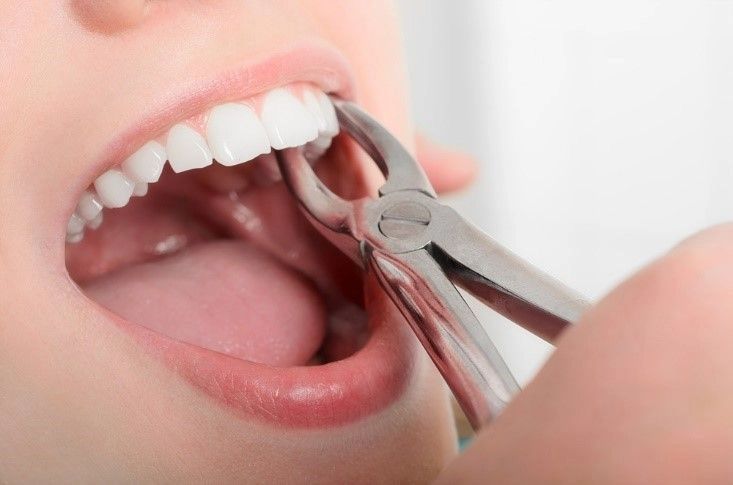
In cases of severe fractures below the gumline, non-restorable decay, or a tooth with insufficient structure, extraction might be advised. Your dentist can explain alternatives like a dental implant or bridge. The goal is always to preserve your natural tooth when feasible, but long-term success and function take priority.
Why timing matters
Dental infections don’t resolve on their own. Delaying treatment can allow bacteria to spread, potentially leading to swelling, bone loss, or pain that flares at inconvenient times—like during business travel. Acting early often means simpler treatment, fewer visits, and better outcomes.
The Shenzhen advantage, in a nutshell
Shenzhen combines skilled clinicians, cutting-edge tech, and a patient-first approach with real-world conveniences like accessible locations, efficient scheduling, and bilingual support. If you need a root canal, you don’t have to choose between quality and convenience—you can have both. Book an evaluation, ask questions, and choose a clinic that makes you feel informed and comfortable. Your future self (and your restored tooth) will thank you.
















