









Tooth Decay Black: Symptoms, Causes & Treatment – Learn More
Noticing a black spot on your tooth can be alarming. Is it a cavity? A stain? Something more serious? While tooth discoloration isn’t always a sign of decay, a dark or black area can indicate that enamel has been compromised and bacteria have penetrated deeper layers of the tooth. Understanding what “tooth decay black” really means helps you act early, avoid pain, and protect your smile.
What does it mean when tooth decay looks black?
Teeth can turn black for several reasons:
- True tooth decay (caries): As enamel breaks down and dentin is exposed, the cavity can trap pigments and bacteria, appearing brown to black.
- Staining: Pigments from coffee, tea, red wine, tobacco, or certain mouthrinses can settle into surface grooves, especially if plaque is present.
- Tartar (calculus): Hardened plaque near the gumline can look dark, especially if it has soaked up stains.
- Old restorations: Leaking or deteriorating fillings and crowns can cause dark shadows or black lines at the margins.
- Internal changes: A tooth that has suffered trauma or pulp damage may darken from the inside over time.
Common symptoms of black tooth decay
Black decay often comes with other signals. Look for:
- A rough or sticky spot that catches your fingernail or dental floss
- Sensitivity to cold, sweet foods, or biting pressure
- A persistent bad taste or odor
- Dark pits in chewing grooves or along the gumline
- Gums that are red, tender, or bleed easily in the area
Not every black mark is decay, but combine color change with one or more of these signs, and it’s time for a dental evaluation.
Why does tooth decay turn black?
Cavities begin when bacteria in dental plaque feed on sugars and produce acids. These acids demineralize enamel. As the protective layer erodes, microscopic pores widen, allowing pigments from foods, drinks, or bacterial byproducts to seep in. When decay reaches dentin, which is darker and softer than enamel, the lesion can appear brown or black. Over time, dead tissue, trapped debris, and metal ions from old dental work can further darken the area.
Risk factors for black tooth decay
Certain habits and conditions make black decay more likely:
- Frequent snacking on sugary or starchy foods; sipping sweet drinks throughout the day
- Inadequate brushing and flossing, especially skipping floss at night
- Dry mouth from medications, dehydration, or health conditions
- Acidic drinks, reflux, or frequent vomiting that erode enamel
- Tight or crowded teeth that trap plaque
- Smoking or chewing tobacco, which intensifies staining and plaque buildup
- Receding gums that expose softer root surfaces
Black spot or cavity? How to tell the difference
While only a dentist can diagnose with certainty, these clues help distinguish stains from decay:
- Texture: Stains feel smooth; decay often feels tacky or rough.
- Location: Stains commonly sit on surface ridges; decay favors deep pits, between teeth, or at the gumline.
- Persistence: If a dark spot doesn’t lighten after professional cleaning, it may be decay.
- Sensitivity: Pain or twinges hint that bacteria have breached enamel.
Home care versus professional treatment
It’s tempting to scrub a black spot aggressively, but over-brushing can wear enamel and worsen sensitivity. Avoid scraping with metal tools, using abrasive powders, or attempting DIY whitening on a suspicious area. Whitening may lighten stains, but it won’t remove decay and can mask a progressing problem.
If you see a black lesion that persists, changes, or causes discomfort, schedule a dental exam. Early-stage decay is far easier and less invasive to treat than advanced caries.
Treatment options for black tooth d
ecay
Your dentist will tailor treatment based on how deep the decay is:
- Remineralization: Very early lesions (white or light brown) may be stabilized with professional fluoride, prescription toothpaste, and improved hygiene. True black decay usually indicates deeper involvement and often needs restorative care.
- Sealants: For early lesions in grooves, sealants can block bacteria and simplify cleaning.
- Fillings: Once decay penetrates dentin, the cavity is cleaned and restored with a tooth-colored material. This both stops the decay and restores strength.
- Inlays/onlays: For larger cavities that still leave most of the tooth intact, lab-made restorations offer durability.
- Crowns: If much of the tooth is compromised, a crown protects what’s left and restores function.
- Root canal therapy: If decay reaches the pulp (nerve), removing infected tissue and sealing the canals can save the tooth, followed by a crown.
- Extraction: Severely damaged teeth that cannot be restored may be removed, with replacement options discussed afterward.
What about black lines around fillings?
A dark line near the edge of an old filling may indicate staining, marginal leakage, or recurrent decay underneath. This area needs professional assessment; replacing or repairing the restoration can prevent further damage.
Special considerations for children
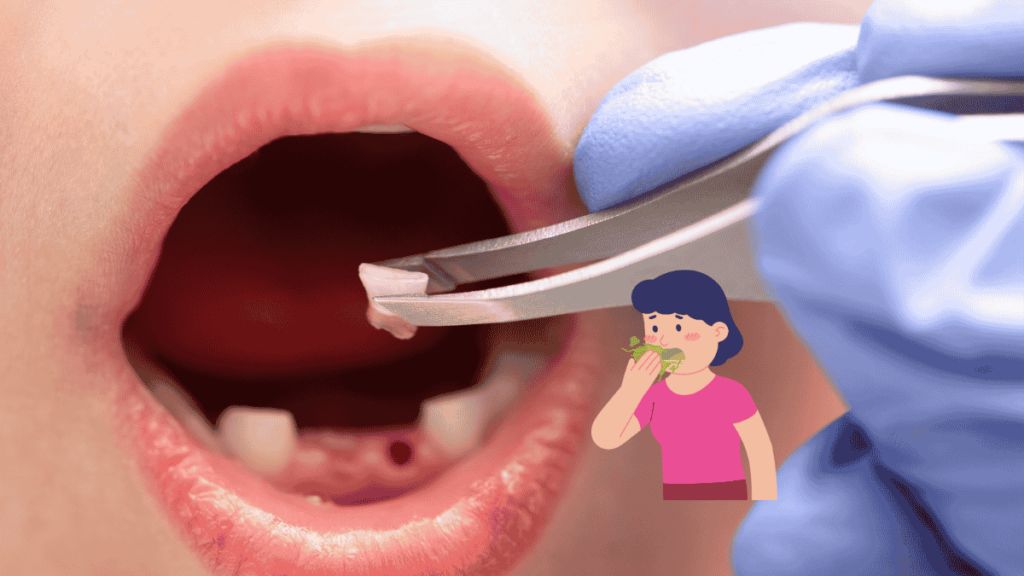
Kids can develop dark cavities quickly, especially on upper front teeth and molars, sometimes called early childhood caries. Nighttime bottles with milk or juice, frequent snacks, and inadequate brushing are common causes. If you see dark spots on a child’s teeth, seek care promptly—baby teeth hold space for adult teeth and are vital for speech and nutrition.
Prevention: keep black decay at bay
Strong daily habits and smart choices make the biggest difference:
- Brush twice daily for two minutes with a fluoride toothpaste
- Floss once daily to clear plaque where brushes can’t reach
- Use a fluoride mouthrinse if recommended by your dentist
- Limit the frequency of sugary or acidic snacks and drinks; keep them to mealtimes
- Sip water throughout the day and after consuming sweets or coffee
- Chew sugar-free gum with xylitol to stimulate saliva
- Address dry mouth by staying hydrated and talking with your healthcare provider about medication side effects
- Visit your dentist regularly for cleanings and exams; professional cleanings remove tartar that contributes to dark buildup
When to seek urgent care
Contact a dentist promptly if you notice:
- Sharp or lingering tooth pain
- Swelling of the gums or face
- A bad taste with drainage, or signs of infection such as fever
- A tooth that has darkened after a blow or injury
Frequently asked questions
Is a black spot always a cavity?
No. It can be a stain or tartar. But if it’s sticky, sensitive, or doesn’t improve after cleaning, it may be decay.
Can black tooth decay be reversed?
Surface-level demineralization can sometimes be arrested. However, once a cavity forms and dentin is involved, professional treatment is needed.
How fast does decay turn black?
Color change varies by diet, oral hygiene, and lesion depth. Some cavities darken quickly; others stay light. Don’t rely solely on color—get it checked.
Will whitening remove a black cavity?
Whitening lifts surface stains; it won’t treat decay. Using whitening on a decayed tooth can increase sensitivity and delay proper care.
Bottom line
A black spot on a tooth is a signal worth paying attention to. Whether it’s a stain or true decay, timely evaluation prevents small issues from turning into painful, costly problems. With consistent home care, mindful diet choices, and regular dental visits, you can keep your teeth bright, strong, and healthy.
















