









Dental Implants in Shenzhen: A Patients Honest Review
When I first moved to Shenzhen, I expected a city of innovation and speed. What I didn’t expect was how much that same spirit would show up in healthcare—especially dental care. After losing a molar and putting off the fix longer than I’d like to admit, I finally decided to get a dental implant in Shenzhen. This is my honest review, from consultation to crown, with everything I wish I’d known before I started.
Why Shenzhen made sense
Shenzhen’s dental scene is surprisingly advanced. Clinics in districts like Futian, Nanshan, and Luohu are equipped with 3D imaging, digital impressions, and sterile, modern treatment rooms. Many practices offer bilingual services, and communication is smoother than you might fear if you don’t speak Chinese. There’s also a culture of efficiency—appointments start on time, follow-ups are structured, and everything from scans to surgery can often be handled under one roof.
My consultation experience
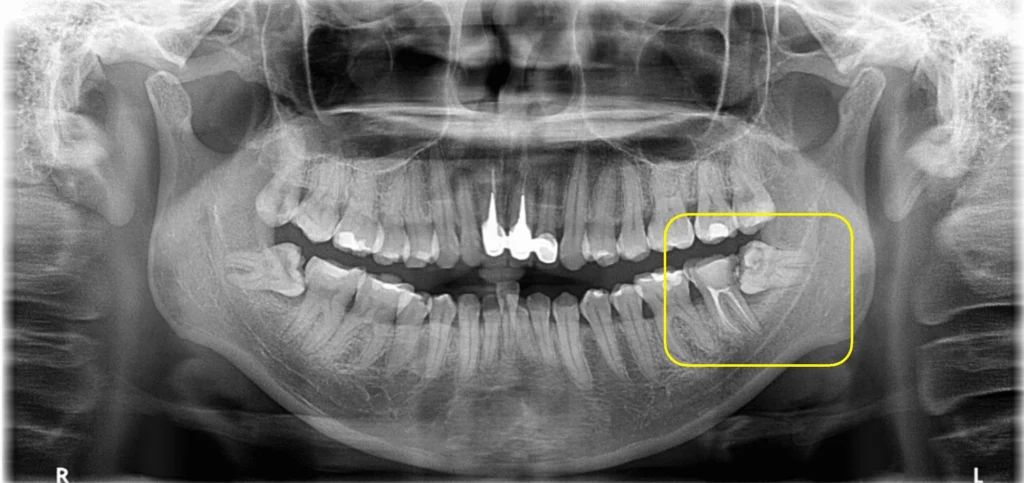
The first appointment set the tone. After a brief interview about my dental history, a CBCT scan (a 3D X-ray) was taken to assess bone density and nerve position. The dentist walked me through the images on a screen, pointing out why an implant was a good option and confirming I didn’t need bone grafting. The plan was a two-stage process: implant placement, a healing period, then a custom crown. I appreciated the clear explanation, including risks like infection, implant failure (rare but real), and the importance of careful aftercare.
One detail I particularly liked: the clinic asked about habits like grinding and smoking, and whether I had any chronic conditions. They also checked the gum health of neighboring teeth to ensure long-term stability, not just a quick fix.
Surgery day: not as intimidating as I feared
I expected surgery to be nerve-wracking, but the team was calm, and the process felt routine—because it is, for them. After confirming consent and sterilization steps (lots of sealed instruments and surface disinfecting), I was numbed thoroughly. There was pressure but no sharp pain. The implant placement itself was quicker than I imagined. I left with a small healing cap and detailed instructions.
Post-op and recovery
The first 24 hours were the most delicate. I iced my cheek, stuck to soft foods, and avoided hot drinks. There was mild swelling and tenderness, but it was manageable. The clinic provided clear guidance: gentle cleaning, saline rinses, no smoking, and careful chewing on the other side. Stitches were removed within a couple of weeks. Communication via WeChat was a lifesaver; I could send a photo and get reassurance if something looked off.
A note on timing: implants need a period to integrate with the bone, so patience is part of the process. Rushing to place the final crown too soon can jeopardize long-term success. I scheduled follow-ups at intervals, and each visit was quick: check the site, confirm stability, and keep me on track.
The final crown
When it was time for the crown, the clinic offered material options and explained the differences in durability and aesthetics. We did a digital scan for precision. The bite was adjusted carefully to avoid overloading the implant. The final result looked
natural and matched my existing teeth well. Chewing felt normal again, and there was no metallic taste or odd sensation—just a tooth that did its job.
What impressed me
- Technology: From CBCT to digital impressions, the workflow was high-tech and streamlined.
- Hygiene: Sterilization protocols were visibly robust. That matters when you’re getting a surgical procedure.
- Communication: The dentist explained each step clearly, and the bilingual support made everything accessible.
- Organization: Appointments were on time, payment was straightforward, and aftercare schedules were clear.
What could be better
- Scheduling: Prime slots (especially weekends) book quickly. If you’re on a tight timeline, plan ahead.
- Cultural differences: Consultations can be efficient to the point of feeling brisk. If you need more detail, ask—doctors respond well to informed questions.
- Travel logistics: Shenzhen is huge. Choose a clinic that’s easy to reach by metro, especially if you’ll have multiple visits.
Choosing a clinic in Shenzhen
A few practical tips from my experience:
- Look for clinics that use CBCT imaging and provide a comprehensive treatment plan, not just a quick estimate.
- Ask about the implant system brand and whether components are commonly available for future maintenance.
- Confirm infection control standards and how they handle complications.
- Understand the follow-up schedule and what happens if you’re traveling or relocating.
- If you’re an expat, check language support and whether the clinic offers documentation for insurance claims.
Pain, risks, and reality
Implant surgery sounds scarier than it feels. With proper anesthesia and a skilled surgeon, discomfort is usually mild. That said, it’s still surgery. Risks include infection, nerve irritation, sinus complications (for upper jaw implants), and rare implant failure. Good candidates have healthy gums, decent bone quality, and commit to oral hygiene. If your case is complex, the dentist may recommend bone grafting or a sinus lift—both common and well-managed procedures in Shenzhen.
Alternatives I considered
Bridges and dentures are viable options if an implant isn’t suitable or you prefer a non-surgical path. Bridges rely on neighboring teeth, which can be a trade-off. Partial dentures are removable and more conservative but less stable. I chose an implant for longevity and function, but it’s worth asking your dentist to outline alternatives objectively.
Living with the result
Months later, I almost forget which tooth was replaced—that’s the best compliment I can give. I maintain regular cleanings, use interdental brushes around the implant, and wear a night guard to protect against grinding. The clinic emphasized maintenance: implants don’t decay, but gums and bone do respond to how we care for them.
Final thoughts
If you’re considering dental implants in Shenzhen, know this: the city offers an impressive blend of expertise, technology, and efficiency. Do your homework, choose a clinic that communicates well, and commit to aftercare. For me, the experience was smoother than expected and the outcome feels natural. In a city known for building the future, rebuilding a single tooth turned out to be one of the most rewarding upgrades I’ve made.
















