









Gum Care in Shenzhen: A First-Timers Guide – Expert Advice
If you’re new to gum care in Shenzhen, you’re not alone. Whether you’ve just moved to the city or you’re finally ready to book that first dental checkup, understanding how gum health is managed here can take the stress out of your visit. This guide explains what to expect, how to choose a dentist in Shenzhen, and the daily habits that keep your gums in top shape.
Why gum care matters in Shenzhen
Healthy gums hold your teeth in place, protect your jawbone, and influence your overall health. Gum inflammation (gingivitis) can progress to periodontitis, a deeper infection that risks tooth loss and has links to diabetes and heart disease. In a fast-paced city like Shenzhen—with frequent milk tea, late-night barbecue, and long work hours—regular gum care helps counter sugar, stress, and occasional brushing shortcuts.
Common signs you need gum attention
- Gums that bleed when you brush or floss
- Red, swollen, or tender gum tissue
- Persistent bad breath or a sour taste
- Receding gums or teeth that look “longer”
- Tooth sensitivity to cold
If you notice any of these, book a checkup with a dentist or periodontist in Shenzhen.
How to choose a dental clinic in Shenzhen
- Qualifications and scope: Look for clinics with experienced general dentists and, if needed, a periodontist (gum specialist). Many private clinics in Nanshan, Futian, and Luohu offer comprehensive periodontal care.
- Cleanliness and technology: Sterilization protocols, digital X-rays, and intraoral cameras are good signs of quality.
- Language support: If you prefer English, search “bilingual dentist Shenzhen” and check clinic websites or reviews for language options.
- Reviews and recommendations: Local forums, map apps, and expat groups can help you gauge patient experiences.
- Convenience: Proximity to metro lines and clinic hours matter in a busy city. Booking via WeChat mini programs is common.
How to book and what to bring
- Booking: Many clinics accept appointments through phone, WeChat, or their website. Same-week slots are often available for checkups.
- Bring: ID or passport, medical history, a list of medications, and previous dental records or X-rays if you have them.
- Insurance details: If you have international or local insurance, bring your policy info; ask the clinic if they can direct-bill.
What to expect at your first gum visit
- Interview and screening: The dentist will ask about symptoms, general health, smoking, stress, and family history.
- Exam and measurements: They’ll assess gum color and texture, measure pocket depths around each tooth, and check for recession or mobility.
- X-rays and photos: Necessary to see bone levels and hidden tartar.
- Cleaning plan: If buildup is light, you may get a routine cleaning. If pockets are deeper or there’s tartar under the gums, you’ll discuss scaling and root planing (a deep cleaning).
- Comfort options: Local anesthesia is commonly offered for deeper cleanings. Let your dentist know about sensitivity or dental anxiety.
- Personalized advice: Expect guidance on brushing technique, flossing or water flossers, and mouthwash use based on your needs.
Treatment options explained
- Routine cleaning: Removes plaque and tartar above the gumline, polishes teeth, and leaves gums less inflamed.
- Scaling and root planing: A deep cleaning in one or multiple visits to remove bacteria below the gumline and smooth r
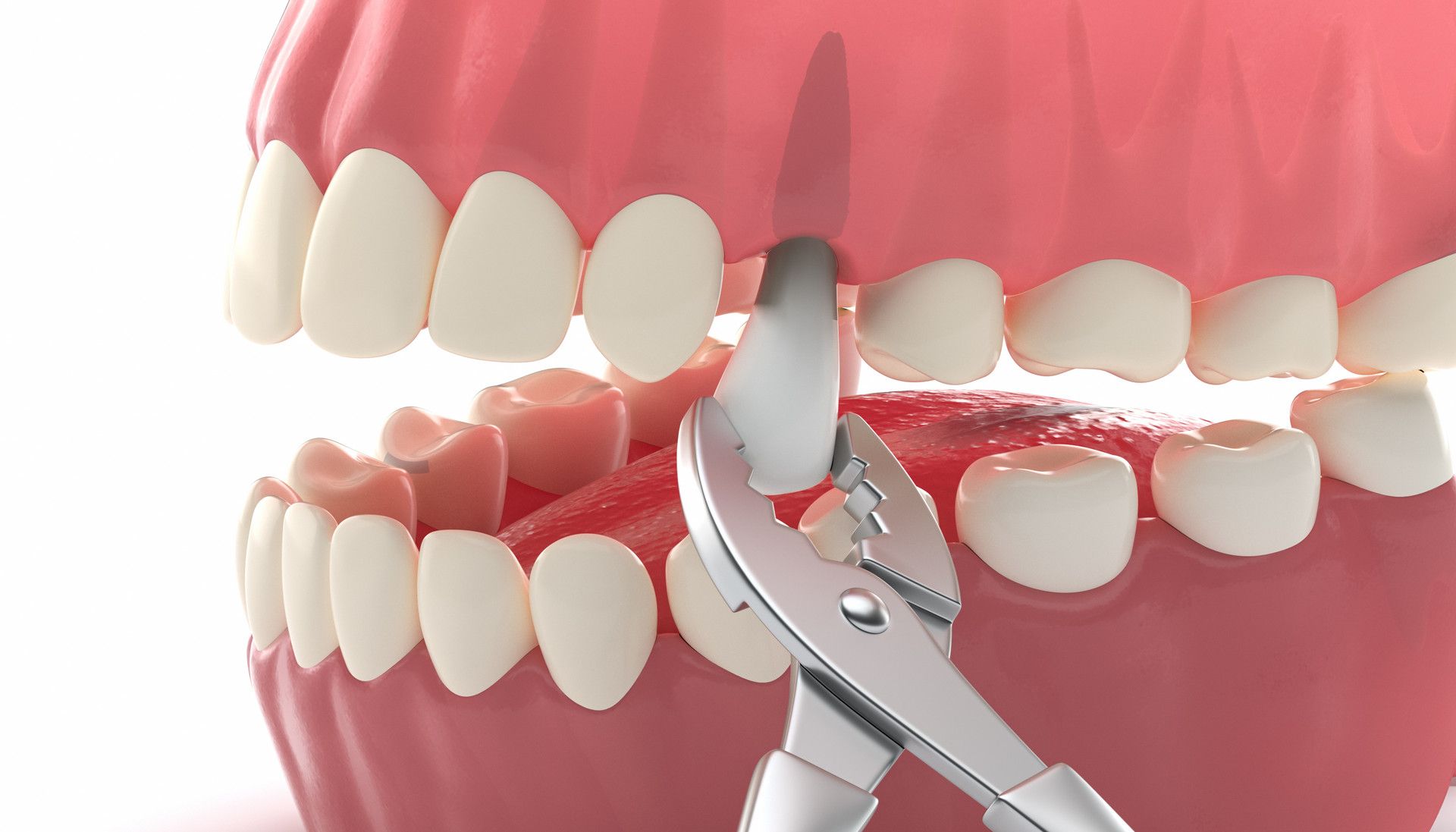
oot surfaces. This helps gums reattach and reduces pocket depths.
- Adjunct therapies: Antibacterial rinses, locally applied medications, or laser adjuncts may be recommended for stubborn areas.
- Maintenance: After initial therapy, periodontal maintenance visits every 3 to 6 months help keep bacteria in check.
Aftercare: the first 48 hours and beyond
- Normal sensations: Mild tenderness, temperature sensitivity, and light bleeding (“pink in the sink”) are common for a day or two.
- Rinsing: Warm saltwater rinses can soothe gums. If prescribed, use your antibacterial mouthwash as directed.
- Food and drinks: Avoid very hot, very spicy, or hard foods on the day of deep cleaning. Stick to softer textures until tenderness eases.
- Pain management: Over-the-counter options may be suitable; ask your dentist for guidance.
- When to call: Persistent swelling, fever, severe pain, or pus requires a prompt follow-up.
A Shenzhen-friendly gum care routine
- Brush twice daily for two minutes with a soft brush (manual or electric) and fluoride toothpaste. Use gentle pressure at the gumline.
- Clean between teeth daily with floss or a water flosser—vital for reducing bleeding and inflammation.
- Time your hygiene: After milk tea or sweet snacks, wait 20–30 minutes before brushing, then clean thoroughly to disrupt plaque.
- Mouthwash: Alcohol-free, antibacterial rinses can help if you’re prone to gum issues.
- Lifestyle: Stay hydrated, prioritize sleep, and manage stress. If you smoke or vape, seek support to cut down; tobacco worsens periodontitis.
- Special situations: Pregnancy can increase gum sensitivity; diabetes requires stricter maintenance; grinders may benefit from a night guard.
Insurance and payment basics in China
- Coverage varies: Dental care may be partially covered by private or international insurance; public insurance often has limited dental benefits.
- Direct billing: Some Shenzhen clinics can bill certain insurers directly. Ask in advance and bring your policy details.
- Documentation: Request an itemized invoice and official receipt if you plan to claim later.
- Payment methods: Mobile payments and bank cards are widely accepted.
When to seek urgent care
- Facial swelling or spreading gum infection
- Fever with severe gum pain
- Sudden tooth mobility or trauma
- Uncontrolled bleeding
These situations warrant immediate attention at a dental clinic or hospital with dental services.
Getting around Shenzhen for your appointment
Shenzhen’s metro network makes clinic visits convenient. Areas like Futian CBD and Nanshan Tech Park have multiple clinics near major stations. Aim to arrive 10–15 minutes early for forms and discuss follow-up timing that fits your work schedule to maintain consistency.
Quick first-timer checklist
- Find a bilingual dentist or periodontist in Shenzhen with solid reviews
- Book via WeChat or phone and bring ID, insurance info, and any past X-rays
- Expect gum measurements, X-rays, and a personalized cleaning plan
- Follow aftercare instructions and schedule maintenance every 3–6 months
- Build daily habits: brush, floss or water floss, rinse, and manage lifestyle factors
Bottom line
Gum care in Shenzhen is accessible, modern, and patient-centered. Start with a thorough assessment, follow the plan you’re given, and commit to small daily habits. With consistent maintenance and the right local clinic, healthier gums—and a healthier you—are well within reach.
















