









Dental Necrosis: Causes, Risks & What to Expect – Learn More
If you’ve heard a dentist mention “dental necrosis,” they’re talking about the death of the tooth’s pulp—the soft inner tissue that contains nerves, blood vessels, and connective tissue. Also called pulp necrosis or tooth necrosis, this condition often follows deep decay, trauma, or long-standing infection. Left untreated, it can lead to pain, abscesses, and bone loss around the tooth. The good news: with prompt care, many necrotic teeth can be saved, and your comfort restored.
What causes dental necrosis?
Several pathways can deprive the pulp of its blood supply or overwhelm it with infection:
- Deep dental decay: Untreated cavities can penetrate enamel and dentin, reaching the pulp and causing irreversible inflammation and infection.
- Trauma or injury: A blow to the face, sports injury, or even grinding and clenching can damage blood vessels inside the tooth, leading to pulp death—even if the tooth looks normal at first.
- Cracks and large fillings: Structural compromise lets bacteria seep toward the pulp over time.
- Repeated dental procedures: Multiple or extensive treatments on the same tooth may stress the pulp.
- Advanced gum disease: Periodontal infections can spread inward and affect the tooth’s nerve through accessory canals.
Early signs and symptoms
Pulp necrosis doesn’t always announce itself loudly. Some people feel little to no pain once the nerve dies; others have intermittent symptoms. Watch for:
- Lingering sensitivity to hot or cold
- Pain when chewing or tapping the tooth
- Spontaneous, throbbing toothache, especially at night
- Darkening or graying of a single tooth
- Swelling of the gums or face near the tooth
- A pimple-like bump on the gum that drains pus (fistula)
- Persistent bad taste or bad breath
Why dental necrosis is risky
When the pulp dies, bacteria can multiply inside the root canal system. This may lead to:
- Dental abscess: A pocket of pus that can cause severe pain, swelling, and fever
- Bone loss around the tooth’s roots
- Spread of infection to adjacent tissues, and in rare cases, systemic infection
- Tooth fracture due to a weakened, hollowed-out structure
- Tooth loss if the infection and structural damage progress
How dentists diagnose it
Your dentist or endodontist (a root canal specialist) will combine your symptoms with clinical tests:
- Thermal and electric pulp tests to gauge nerve response
- Gentle percussion and bite tests to detect inflammation in the ligament
- Periodontal probing to check gum and bone health
- X-rays or 3D CBCT imaging to look for decay, bone changes, and abscesses
- Color and translucency assessment if trauma is suspected
Treatment options: what to expect
The right plan depends on the tooth’s condition, your overall oral health, and the extent of infection.
- Root canal therapy: The most common way to save a necrotic tooth. The dentist removes the dead pulp, disinfects the canals, and seals them to prevent reinfection. A crown often follows to restore strength.
What to expect:
- Local anesthesia to keep you co
mfortable
- Rubber dam isolation to keep the tooth clean and dry
- Cleaning and shaping of canals with specialized instruments
- Antimicrobial irrigation and possibly medication placed inside the tooth
- Temporary filling between visits if multiple appointments are needed
- Final sealing and restoration, typically with a crown
- Endodontic retreatment: If a previously treated tooth becomes re-infected, the old root canal filling is removed, the canals are cleaned again, and the tooth is resealed.
- Apicoectomy (root-end surgery): If standard retreatment is not feasible or infection persists at the tip of the root, a surgical approach removes the root tip and infected tissue, followed by a root-end filling.
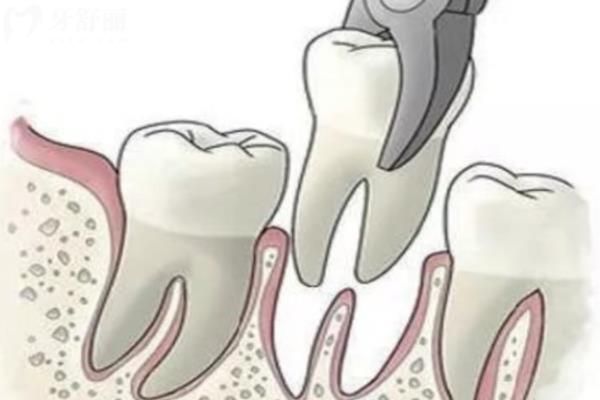
- Extraction: If the tooth is fractured vertically, has severe decay below the gumline, or lacks sufficient bone support, removal may be advised. Replacement options include dental implants, bridges, or partial dentures. Your dentist will discuss the most appropriate restoration to maintain chewing function and alignment.
Recovery timeline and comfort
Most patients return to normal activities the same day after root canal treatment. It’s common to have mild soreness for a few days, especially when chewing. Over-the-counter pain relievers as directed by your dentist typically manage discomfort. If a temporary filling is placed, avoid sticky or hard foods on that side until the permanent restoration is done. Call your dentist if you notice swelling that worsens, significant pain, fever, or a sudden change in your bite.
Prevention: lower your risk of pulp necrosis
- Brush twice daily with fluoride toothpaste and floss once a day
- Keep consistent dental checkups and professional cleanings
- Address cavities early before they reach the pulp
- Wear a mouthguard for contact sports and a nightguard if you grind your teeth
- Manage dry mouth and reduce frequent snacking on sugary or acidic foods
- Seek care promptly after any dental injury, even if there’s no immediate pain
When to see a dentist
Don’t ignore warning signs like persistent tooth sensitivity, discoloration of a single tooth, gum swelling, or a pimple on the gum. Early evaluation can prevent complications and increase the likelihood of saving the tooth. If you’ve had facial trauma, schedule a dental exam even if everything looks fine; pulp necrosis can develop weeks or months later.
Key takeaways
- Dental necrosis means the tooth’s nerve tissue has died, often from deep decay or trauma.
- Symptoms range from mild sensitivity to severe pain and swelling—or sometimes no pain at all.
- Untreated, it can cause abscesses, bone loss, and tooth fracture.
- Root canal therapy is the go-to treatment for saving a necrotic tooth; extraction is a last resort when saving the tooth isn’t predictable.
- Prompt diagnosis and prevention habits dramatically improve outcomes.
This information is educational and not a substitute for a personalized diagnosis. If you suspect tooth necrosis or are experiencing dental pain, book an appointment with a dentist or endodontist for timely, tailored care.
















